
Livraison le jour même ou le lendemain

Qualité garantie

Débloquez vos offres de bienvenue: Livraison GRATUITE | Jusqu'à -80 % | 30 jours d'essai gratuits à JoyPlus
Téléchargez l'application
A trivial accessory, the dish rack? Not so fast. The wrong choice can flood your worktop, quickly turning it into a zone of damp chaos. To avoid buyer's remorse a few months down the line, here are the most common pitfalls to avoid.
Identifying these flaws is the key to finding the model that will genuinely make your life in the kitchen easier.
To ensure you don't make a mistake, focus on a few technical points that make all the difference in terms of durability and practicality.
The material is crucial: it determines your dish rack's lifespan and hygiene.
A good dish drying rack must drain water effectively to maintain a clean, dry environment. There are two main systems:
Your household size and the space available on your worktop will dictate the ideal format.
Here are three options that cater to different profiles, all selected for their durability and practicality.
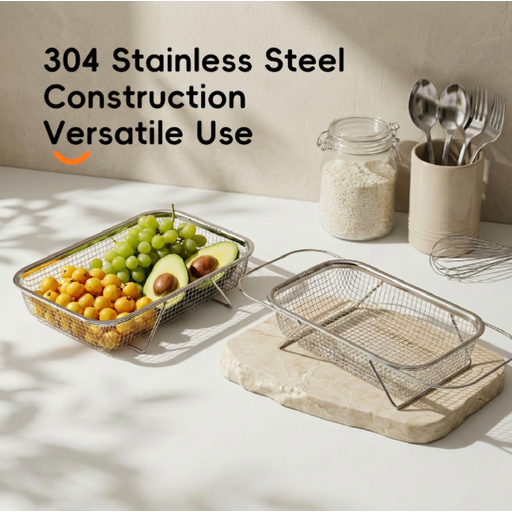
Why we love it: Perfect for kitchens where every square inch is precious. This model sits directly over the sink, completely freeing up the worktop. Its clever telescopic design adapts to most sinks.
Its 304 stainless steel construction protects it from rust. As water drains directly into the sink, you can say goodbye to stagnant water and tedious tray cleaning.
Completely frees up the worktop. Once the dishes are put away, it retracts for ultra-compact storage.
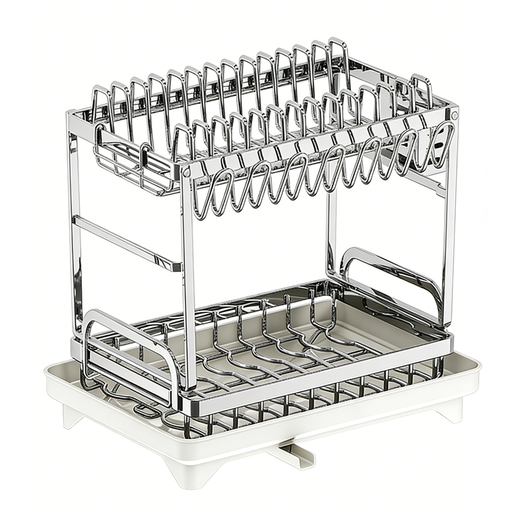
Why we love it: For families who are constantly washing dishes but don't want to sacrifice their entire worktop. Its two-tier structure perfectly organises plates, bowls, and glasses.
The combination of stainless steel and PP ensures good resistance to moisture. Its two-tier structure is designed for stability, while its integrated drainage pipe continuously drains water to prevent stagnation.
Maximum vertical capacity with a minimal footprint. Its dedicated compartments make organisation crystal clear and access easy.
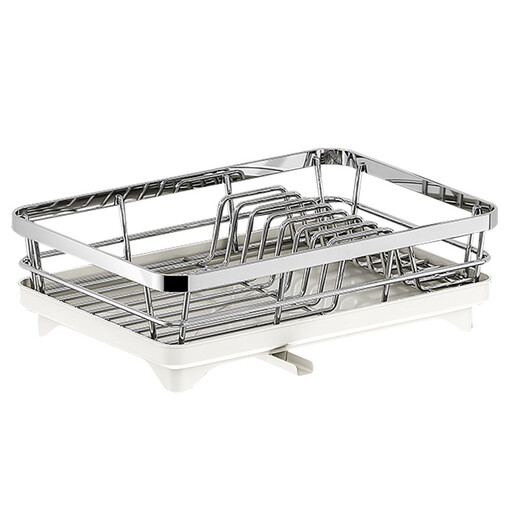
Why we love it: For those who want a simple, hygienic, and hassle-free solution. This single-tier model combines a sturdy stainless steel frame with a clever drainage system.
Its removable PP drip tray makes cleaning a breeze and prevents limescale build-up. The rotating drain spout allows you to direct the water flow into the sink, regardless of its position.
Ultra-simple maintenance thanks to its removable tray and efficient drainage. Ready to use out of the box, it requires no assembly.
We have curated a complete selection of products that meet our quality criteria and current safety standards.
How do I clean a stainless steel dish rack to prevent limescale marks? For routine maintenance, a soft cloth with soapy water is sufficient. Against stubborn limescale, white vinegar diluted in water is your best ally. Apply, let it sit for a few minutes, rinse thoroughly with clean water, and dry with a clean cloth for a flawless finish.
Is a 2-tier dish rack really stable? The stability of a 2-tier dish rack depends on its design. Good models have a wide base, non-slip feet, and a solid structure. Simply be sure to respect the indicated maximum load and distribute the weight of the dishes evenly for rock-solid stability.
What is the lifespan of a good dish rack? It all depends on the material. A budget-friendly plastic model will last a year or two before showing signs of wear. Conversely, a well-maintained, high-quality stainless steel dish rack (like type 304 steel) can last for many, many years. A much more cost-effective investment in the long run.