
Livraison le jour même ou le lendemain

Qualité garantie

Débloquez vos offres de bienvenue: Livraison GRATUITE | Jusqu'à -80 % | 30 jours d'essai gratuits à JoyPlus
Téléchargez l'application
Buying dinner plates isn’t just about picking a colour. Between flattering photos, sometimes vague promises of durability, and sets where the contents aren’t entirely clear, a few mistakes can turn a lovely dinner service into a daily hassle.
Before you compare models, there are three pitfalls worth watching out for:
Flat plates are generally intended for main courses, while deep plates are for soups, risottos, composed salads or pasta. To put together a versatile set, make sure it includes several sizes:
A 12-piece dinner set might include four flat plates, four dessert plates and four bowls. This composition works well for multi-course meals and makes it easier to create a coordinated table setting.
Ceramic plates come in many styles and are fairly versatile. Stoneware models are generally thicker and heavier, often with a handcrafted look. Porcelain plates have a finer surface and a more elegant appearance, but metallic decorations do require some care.
Plastic, particularly polypropylene, is lightweight and impact-resistant. It can be practical for picnics, outdoor meals or family tables, but its microwave compatibility isn’t guaranteed. For occasional use, disposable plates made from plant fibres or paper can also save on washing up. However, do check the guidance on hot foods, greasy items and the recycling rules in your area.
For regular use, look out for these clear mentions:
A plate described as durable is not unbreakable. Ceramic, porcelain and stoneware can chip after a drop or a sudden change in temperature. Inspect each piece before use and set it aside at the first sign of a crack.
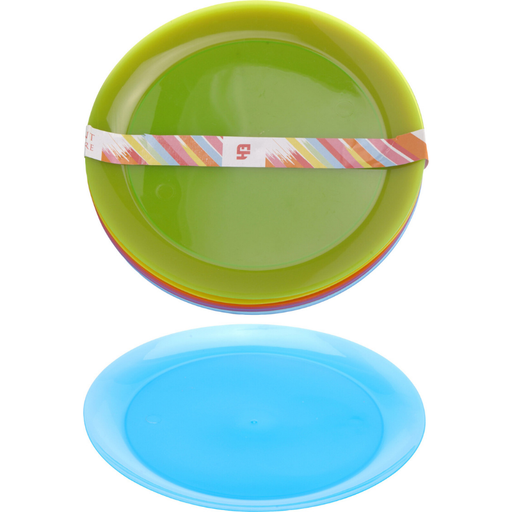
Why this suits this profile: This six-piece polypropylene plate set is ideal for simple family meals, picnics and a first set of dinnerware.
With six pieces, the risk of running out of plates is limited. The listing also mentions practical stacking and dishwasher compatibility, but not microwave use.
Lightweight polypropylene, impact-resistant design and stackable plates, suitable for both indoor and outdoor use.
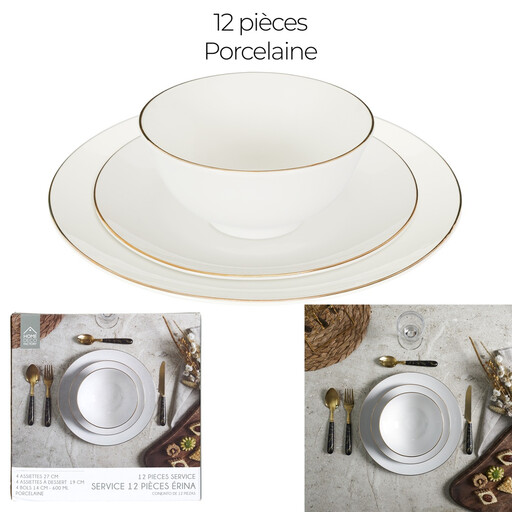
Why this suits this profile: With its white porcelain accented by a gold rim, this set is designed for festive tables, birthdays and receptions where presentation matters.
The composition is clearly detailed: four flat plates, four dessert plates and four bowls. The gold rim means hand washing only and no microwave use.
A complete 12-piece set in white porcelain, with a gold decoration designed for special occasions.
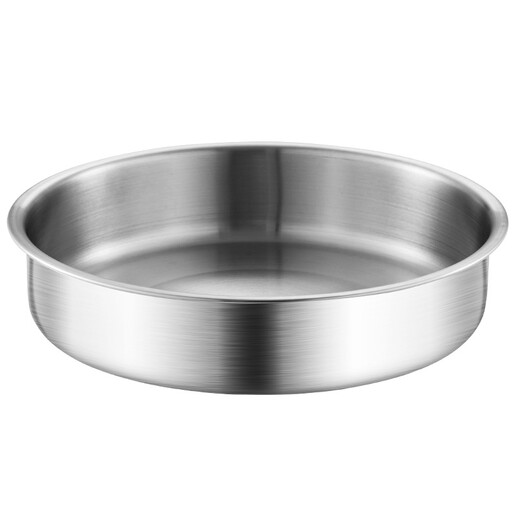
Why this suits this profile: Its deep shape and metal construction are ideal for busy kitchens, outdoor meals and anyone wanting to minimise the risk of breakages.
The 304 stainless steel is described as corrosion-resistant and impact-resistant. However, follow the heating instructions and use gloves to handle a hot plate.
304 stainless steel, easy cleaning as stated, and suitable for use in the oven, steam oven and on an induction hob, according to the product listing.
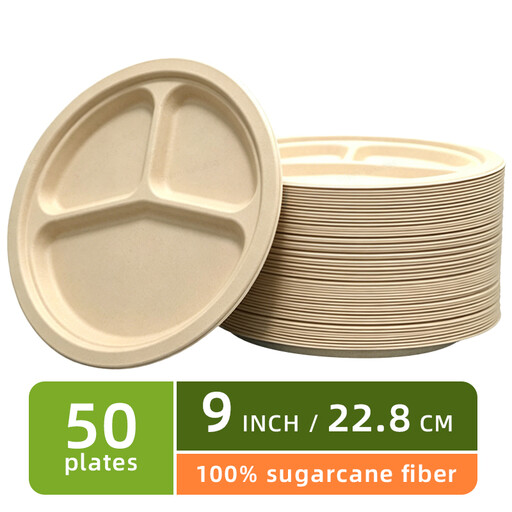
Why this suits this profile: This pack of 50 bagasse plates is ideal for birthdays, barbecues, community events and meals that need to be put together quickly.
The number of pieces is clearly stated, making it easy to calculate quantities for a party. Check the recycling and composting guidelines in your local area.
Sugarcane bagasse, a 23 cm diameter and a design described as compostable for occasional use.
We’ve put together a comprehensive, real-time selection of products that meet these exacting criteria, while also complying with European safety regulations.
No. The dishwasher and microwave are two different uses. Check for both mentions on the product listing or on the underside of the plate. Metallic decorations, such as a gold rim, generally rule out microwave use.
For four people, a 12-piece set can cover your needs for flat plates, dessert plates and bowls. If you regularly host guests, an additional set of four to six pieces will allow you to space out washes between courses and more easily replace any broken items.
Not necessarily. The terms compostable and biodegradable don’t, on their own, specify the conditions required for them to break down. Check the packaging and your local guidelines: some fibre-based plates need a suitable composting facility and cannot be placed in a home compost bin.