
Livraison le jour même ou le lendemain

Qualité garantie

Débloquez vos offres de bienvenue: Livraison GRATUITE | Jusqu'à -80 % | 30 jours d'essai gratuits à JoyPlus
Téléchargez l'application
Dinner plates aren’t just about colour or price. From flat plates for main courses to soup bowls and disposable options for parties, the differences in durability, care and storage quickly become apparent in everyday use.
Some marketing claims are also worth checking before you place an order. Here are the main pitfalls to avoid and the criteria to consider when putting together a set of crockery that suits your household, your guests or your professional needs.
A lightweight plate is handy for picnics, camping or outdoor dining. However, not all materials react the same way to knocks. Ceramic and porcelain can chip after a fall, whereas plastic or stainless steel generally cope better with this kind of use.
For a family with young children or for meals on the patio, check the impact resistance, whether the plates stack easily and any heat-related restrictions.
Compostable plates made from bagasse, kraft paper, bamboo or palm leaves are designed for single use. The term “compostable” doesn’t necessarily mean the product can go into your home compost bin or general waste.
Before ordering a set of disposable plates, check the manufacturer’s instructions and your local recycling guidelines. Also verify how well they hold up to hot, greasy or very liquid foods.
A 15 cm plate is better suited to desserts or small portions. For a main course, a diameter of 21 to 27 cm is more common. Soup bowls need a sufficiently pronounced rim to hold soup, saucy pasta or a stew.
The number of pieces also matters. A set of four may be enough for a couple or a small table, whereas a set of six, twenty-five or fifty pieces will better meet the needs of a large family, a caterer or an event.
Don’t assume a plate’s compatibility based solely on its material. It may withstand a hot dish without being designed for the oven, microwave or hob.
Always check the product description. For example, the Excellent Houseware polypropylene set is listed as dishwasher safe but not microwave safe. The Maxcook stainless steel model is described as suitable for the oven, steam oven and induction hob, with usage precautions to avoid overheating.
For regular use, reusable plates need to be easy to wash and store. Stackable models take up less cupboard space. Also look at the manufacturer’s recommendations: hand wash only, avoid certain detergents, sensitivity to abrasive sponges or the need to dry them quickly.
For disposable products, compare the number of pieces with the total price and your actual needs. A box of fifty plates may be perfect for a party but impractical for occasional use.
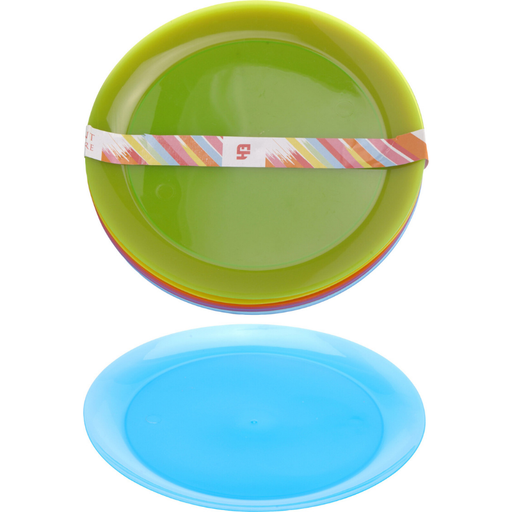
Why this suits this profile: This set of six polypropylene plates is ideal for family meals, children and first-time kitchen setups. Their light weight makes them easy to carry to the garden, campsite or boat.
The description states a lightweight, stackable design that is resistant to knocks and scratches. It also clearly notes that the product is not microwave safe.
Six pieces, dishwasher safe as stated, stackable storage and suitable for both indoor and outdoor use.
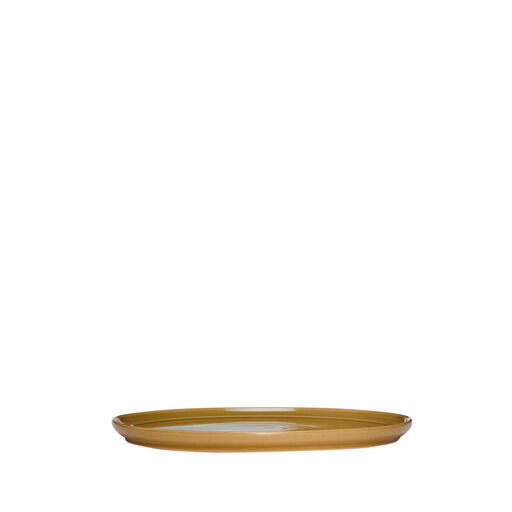
Why this suits this profile: With its 28 cm diameter and brown finish, this moulded stone plate fits equally well on an everyday table or at a dinner party.
The description gives precise compatibility details for the dishwasher, microwave and oven. These instructions should be followed to preserve the plate.
28 cm diameter, stated weight of 750 g, dishwasher safe and oven use indicated.
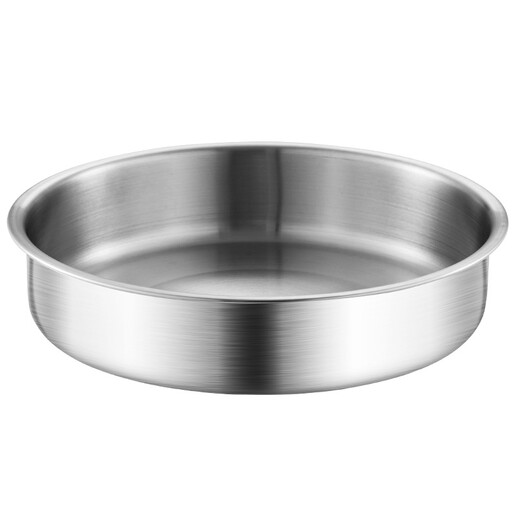
Why this suits this profile: This 24 cm metal bowl is designed for busy kitchens, outdoor meals and anyone wanting to reduce the risk of breakage.
The 304 stainless steel is described as corrosion-resistant and compatible with several appliances. The description recommends moderate heating and supervision during use.
304 stainless steel, easy to clean, described as unbreakable design and compatible with the oven, steam oven and induction hob.
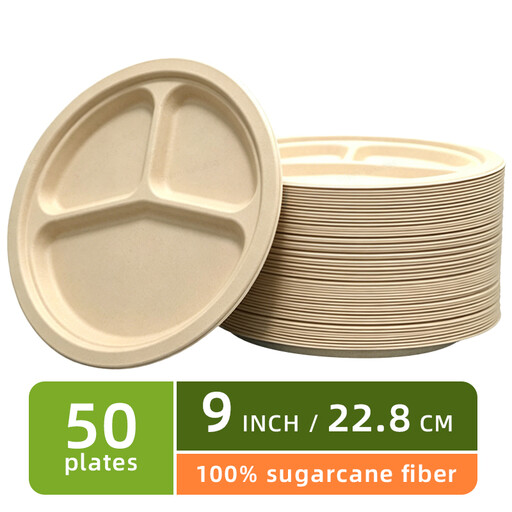
Why this suits this profile: This pack of 50 plates is ideal for birthdays, buffets, community activities and catering services where washing up isn’t an option.
The format is clearly presented as disposable and intended for food service. However, check the recycling guidelines and permitted uses before your event.
Pack of 50, 23 cm diameter and three compartments to separate foods at a buffet or for a takeaway meal.
We’ve put together a comprehensive, real-time updated list of products that fully meet these strict selection criteria and European safety regulations.
For main courses, a diameter between 24 and 27 cm works for most household needs. A 21 to 23 cm model can be easier to handle for children, smaller portions or buffets. Also remember to measure the available space in your dishwasher and cupboards.
It depends on how often you use them, the purchase price and the care involved. For everyday meals, a reusable plate can save you from regularly buying disposable ones. For a one-off event, compostable or kraft paper models can simplify the washing logistics, but compare them based on the quantity you need and your local waste management rules.
No. Compatibility must be stated on the product description or packaging. Metal plates, particularly stainless steel, must not be placed in the microwave. For ceramic, porcelain and some plastics, also check the temperature limits and avoid thermal shock.