
Livraison le jour même ou le lendemain

Qualité garantie

Débloquez vos offres de bienvenue: Livraison GRATUITE | Jusqu'à -80 % | 30 jours d'essai gratuits à JoyPlus
Téléchargez l'application
Choosing dinner plates is about more than colour or pattern. Whether you need plates for everyday meals, family gatherings or professional use, the material, dimensions and care instructions all have a direct impact on how comfortable they are to use, how easy they are to store and how long they last.
Marketing claims can sometimes be confusing, though. A plate described as versatile isn’t necessarily suitable for the oven, dishwasher or intensive use. Here are the key things to check before choosing your dinner set.
Unusual plates and designs with irregular edges can instantly add character to a table. On the other hand, an asymmetrical shape may take up more space in a cupboard, be less stable on a tray or make plates harder to stack.
For regular use, check the shape of the base, how stable the plate is and whether you can stack several together. Highly decorative charger plates can be saved for special occasions, while classic dinner plates are often more practical for everyday meals.
Ceramic, porcelain, earthenware, plastic and stainless steel all suit different needs. A ceramic plate looks beautiful on the table, but it can break. Lightweight polypropylene works well for some outdoor uses, while stainless steel is more resistant to knocks, though it has a more functional look.
Weight is worth considering, too. A heavy plate may feel particularly stable on the table, but it can be less comfortable to handle in large quantities or when clearing up.
A plate described as dishwasher-safe isn’t automatically suitable for the oven, hob or sudden changes in temperature. Reactive glazes, painted decoration and metallic trim often need gentler care.
Always check the product details, particularly the instructions for the dishwasher, oven, microwave and use of abrasive cleaning products.
For food use, choose a product listing that clearly states the material and confirms that the surface is designed to come into contact with food. The products in this selection include:
Check each product for ‘microwave-safe’ and ‘dishwasher-safe’ claims. Don’t assume a plate is suitable just from its appearance.
The size affects both presentation and portion size:
Remember to measure your cupboards, dishwasher and serving trays, too. A large diameter can look impressive, but may be much less convenient to store.
For a household, a set of 4 to 6 pieces is generally a good starting point. For a party, restaurant, hotel or catering business, consider the number of guests, how quickly you turn tables and whether you need spares to replace broken or temporarily unavailable plates.
Mixing different styles can create a relaxed table with plenty of personality. In a professional setting, however, matching sizes and colours make setting the table easier.
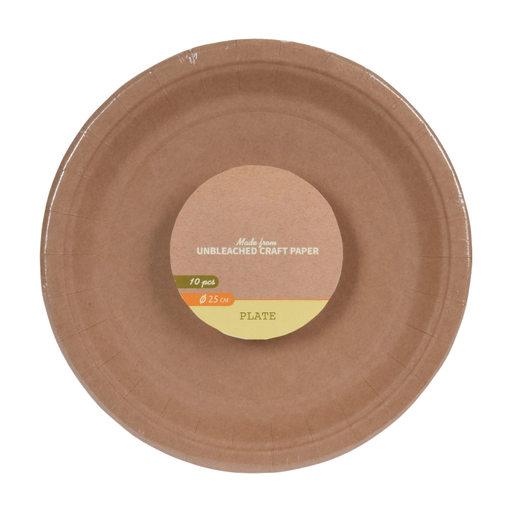
Why this is a good fit: This pack of 10 kraft paper plates is handy for picnics, birthdays, barbecues and occasional gatherings when you want to cut down on both storage and washing up.
The product details clearly state that these are single-use plates and that they aren’t suitable for the oven, microwave or dishwasher. Their limitations are easy to plan for.
An approximate diameter of 22.5 cm, a pack of 10 and a brown kraft-paper look that pairs well with casual table settings.
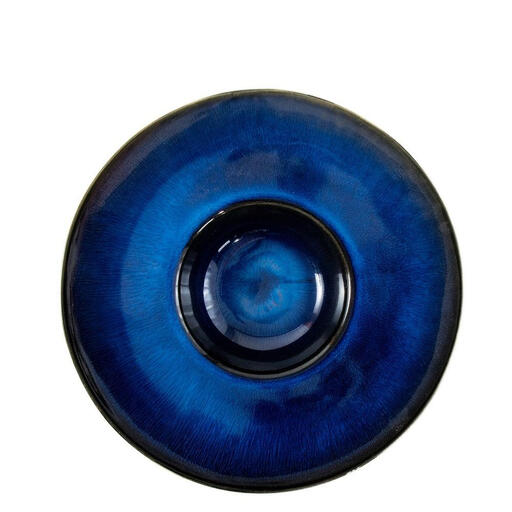
Why this is a good fit: Its organic shape and reactive glaze make it a great choice if you’re looking for a distinctive piece for meals, entertaining or presenting your dishes.
The product details specify an approximate diameter of 27 cm, that it’s suitable for the dishwasher and microwave, and that abrasive cleaning products should be avoided.
Made from ceramic, with an irregular shape and reactive glaze. It’s described as suitable for main courses, salads, desserts and starters.
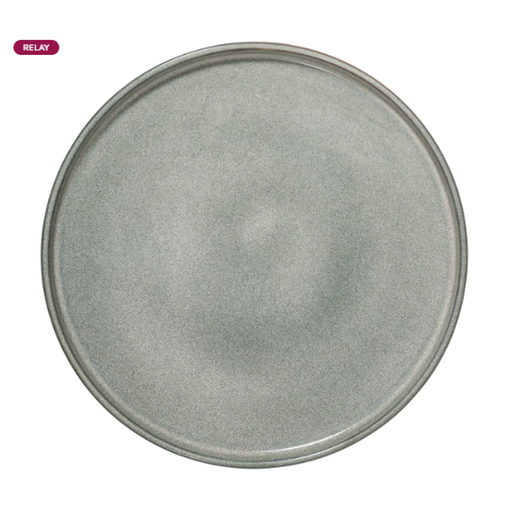
Why this is a good fit: With a diameter of 27 cm and a stated weight of 961 g, this plate may suit restaurants, hotels, cafés and catering services where stable tableware is essential.
The description specifies heavy earthenware and professional use. Before buying for a business, it’s still essential to check the washing instructions and available quantities.
A diameter of 27 cm, a stated height of 2.3 cm, a green finish and a design intended for professional establishments.
We’ve put together a comprehensive list, updated in real time, of products that meet these exacting selection criteria and European safety regulations.
A diameter of around 24 to 27 cm is generally suitable for main courses. For desserts, starters and salads, sizes of 20 to 22 cm take up less space and are easier to store.
No. It depends on how the plate is made, its glaze and its decoration. Check the instructions for the specific model. To protect the finish, avoid highly abrasive detergents and knocking the plates against each other.
Allow at least one plate per guest, plus spares for service changes, damaged pieces and unexpected needs. If you’re buying for a business, compare the weight, stackability, dimensions and restocking arrangements before choosing a set of plates.