
Livraison le jour même ou le lendemain

Qualité garantie

Débloquez vos offres de bienvenue: Livraison GRATUITE | Jusqu'à -80 % | 30 jours d'essai gratuits à JoyPlus
Téléchargez l'application
Improper torque is the nightmare of every mechanic, professional and amateur alike. A poorly tightened cylinder head bolt on a car, an over-torqued seat clamp on a carbon fibre bike frame... the consequences can be costly, even dangerous. The digital torque wrench has become the go-to tool for guaranteeing perfect tightening. The problem? The market is flooded with models of widely varying quality.
As product experts, our mission is to help you cut through the noise and find truly reliable tools. This guide breaks down the pitfalls to avoid and the criteria that really matter when choosing the right precision torque wrench for your needs, whether you work on cars, motorcycles, or bicycles.
Before we even get into the technical specs, let's review the common mistakes that lead to buyer's remorse.
To make the right choice, focus on these three pillars. They determine the performance and versatility of your future torque tool.
Accuracy is the name of the game for a torque wrench. For serious work, demand certified accuracy.
These two features are inseparable. They must absolutely match your needs.
This is where the electronic torque wrench pulls ahead of its mechanical cousin.
Here are three torque wrenches that stand out from the crowd, each suited to a specific user profile and all selected based on our criteria for performance and reliability.
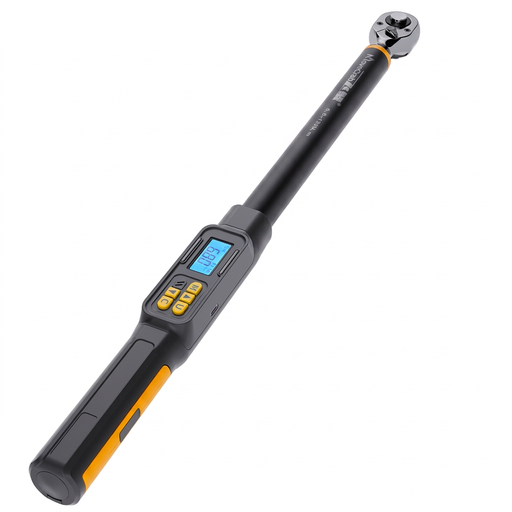
Why we recommend it: Perfect for the enthusiast who works on both their car and motorcycle. Its torque range covers most common needs (engine, brakes, etc.) without requiring multiple tools.
Its crystal-clear screen and triple alert system (sound, LED, vibration) make reading or setting errors nearly impossible—a common pitfall with mechanical wrenches. Its torque range is perfectly calibrated for versatility.
Its ±2% accuracy and 10 preset memory slots deliver pro-level reliability and efficiency, but at a price that remains accessible to the knowledgeable amateur.
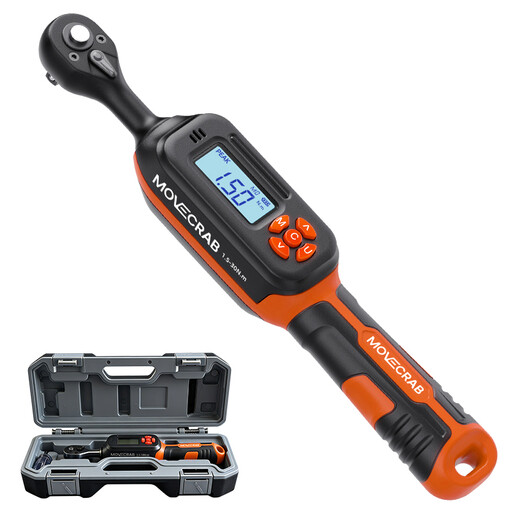
Why we recommend it: Engineered for high-precision work. Its very low torque range and 1/4" drive make it the ideal tool for the fragile components on modern road and mountain bikes (carbon, thin aluminium).
It counters the "wrong tool for the job" pitfall by focusing on a torque range perfectly suited to the low values required in cycling. Say goodbye to over-tightening and breaking parts that cost an arm and a leg.
Its high accuracy (±2%) in such a low torque range is its main selling point. The triple alert system is like life insurance for your components, ensuring you never exceed the manufacturer's specifications.
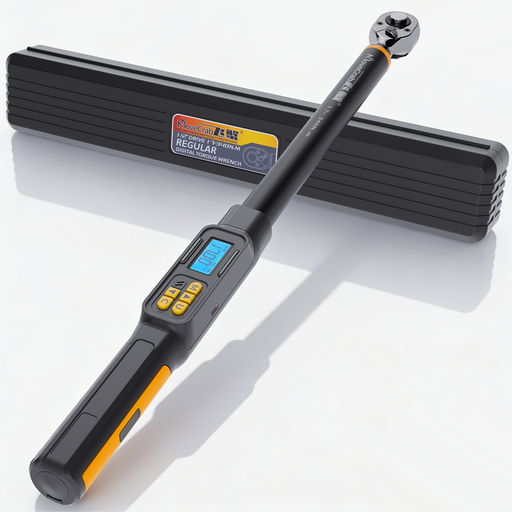
Why we recommend it: This tool is built for heavy-duty tasks and intensive use. Its extra-wide torque range (up to 340 N·m) makes it suitable for work on heavy trucks, agricultural machinery, or the largest chassis components.
It meets the demand for absolute reliability. Its robust design and certified accuracy (±2%) ensure consistent performance, even under intensive use where a consumer-grade model would fail.
Its ability to record 500 measurements in "Peak" mode and its 10 presets are real productivity boosters, while also providing the traceability that is essential in a professional setting.
Whether you're a cycling enthusiast or looking for other precision tools, discover our complete selection of products, all validated against a demanding set of specifications.
Does a digital torque wrench need to be recalibrated? Yes, like any measuring instrument, periodic recalibration is recommended to ensure its accuracy. For professional and intensive use, an annual check is good practice. For a hobbyist, a check every 2 or 3 years, or immediately after it has been dropped, is sufficient. When used and stored correctly, a digital wrench maintains its calibration much longer than a mechanical model.
What is the accuracy difference between a digital and a mechanical torque wrench? Digital wrenches generally offer better accuracy (often ±2%) than click-type mechanical wrenches (typically ±4%). Most importantly, their accuracy is less sensitive to how the user holds the tool, and the risk of misreading a vernier scale is completely eliminated.
Can I use a torque wrench to loosen bolts? This is a very bad idea. A torque wrench, whether digital or mechanical, should never be used for loosening. Its measurement mechanism is designed to apply a precise force during tightening, not to withstand the sudden, high impact of breaking a bolt loose. Using it for loosening can damage the mechanism and permanently throw off its calibration. Always use a standard ratchet or a breaker bar to loosen fasteners.
From your Joybuy Product Advisor