Fans of classic Digestives
You’re looking for a crunchy biscuit made with wholemeal flour, rather than a buttery shortbread. Carrefour says that McVitie’s Digestive Original contains 16% wholemeal wheat flour.


For coffee with a selection of treats, choose a Digestive if you’re after a crunchy biscuit made with wholemeal flour, like the McVitie’s version featured here; a Sablé de Retz for its hint of coconut; or a Normandy shortbread if butter is your priority. These biscuits have different recipes, so check the allergens on each pack and choose a size that suits the number of portions you’re serving.
You’re looking for a crunchy biscuit made with wholemeal flour, rather than a buttery shortbread. Carrefour says that McVitie’s Digestive Original contains 16% wholemeal wheat flour.
You want to divide the biscuits between several plates without opening every pack unnecessarily. St Michel Sablés de Retz are available in a 120 g pack and, among other options, a multipack of two 120 g packs, according to the listings from St Michel and Carrefour.
You compare recipes by checking the ingredients, allergens and nutritional information on the specific pack, rather than relying on the name “Digestive” or “shortbread” alone.
When serving coffee with a selection of treats, start by deciding what you want the biscuit to bring to the plate, then check its recipe and pack size.
| What matters | What to check | Who it matters to |
|---|---|---|
| The biscuit’s place on the plate | Compare the wholemeal flour in McVitie’s Digestives, the coconut in Sablés de Retz and the butter in Normandy shortbread. | If I’m already serving other treats with coffee, I want a biscuit whose recipe works well with the rest. Around 31% of consumers put this balance first. |
| Ingredients and allergens | Read the ingredients list and check the allergen and “may contain” information on the pack you buy. | If I’m serving someone who needs to avoid an ingredient, the biscuit’s name isn’t enough to make a decision. For around 25% of consumers, ingredients are the main concern. |
| Pack size and serving | Check the net weight and how many packs you’ll need to open for the portions you’re planning. | When I’m entertaining, I prefer a pack size that suits the number of servings I’m preparing. Pack size comes first for around 25% of consumers. |
| Portion size and nutritional information | Compare the nutritional information per 100 g, then consider the portion you’ll actually serve. | If the biscuit is being served alongside other petits fours, I want to know what it contains before deciding on the portion size. Around 19% of consumers prioritise this information. |
Here, the name describes a type of biscuit, not a proven effect on digestion. The McVitie’s version featured by Carrefour contains wholemeal wheat flour and sugar, among other ingredients.
Check its ingredients list and nutritional information when choosing it, rather than reading into the name.
The Reflets de France Normandy shortbread featured by Carrefour contains 27% butter. It’s a choice for when you fancy a buttery biscuit, while McVitie’s Digestives have a different recipe that includes wholemeal flour.
Choose according to the role you want the biscuit to play alongside the other treats, and decide on portion sizes when arranging the plate.
Biscuits served on the same occasion can have different ingredients lists and “may contain” information.
Check the details on the exact pack before serving, especially if someone needs to avoid an ingredient.
A natural choice if you’re looking for Digestives: McVitie’s Digestive Original, 360 g, featured by Carrefour.
Sablés de Retz are another dry biscuit option to enjoy with coffee, but they shouldn’t be confused with Digestives.
Normandy shortbread is the buttery biscuit option in this selection for coffee and treats.
These options let you choose Sablé de Retz for your plate, or a fig and bran biscuit if that’s more to your taste. The latter shouldn’t be confused with a classic Digestive or shortbread.
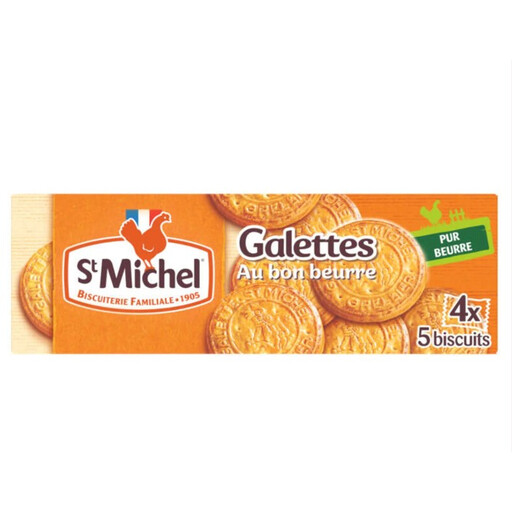 Image unavailable
Worth considering if you’d like to serve coconut shortbread with coffee instead of a classic Digestive. The pack is marked 120 g; check its allergen information before serving.
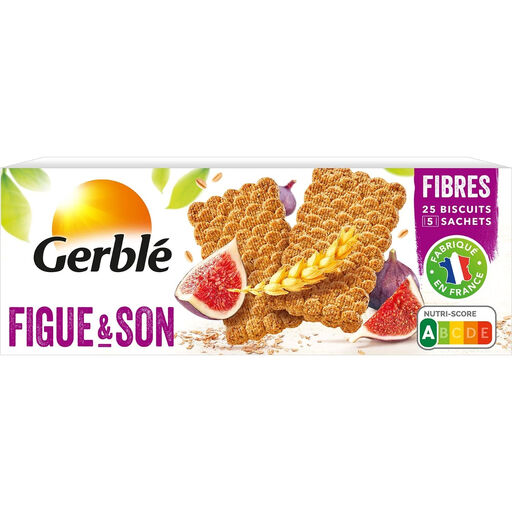 Image unavailable
Consider these if you prefer a fig and bran biscuit; whether they suit your plate depends on the other treats you’re serving. The pack is marked 210 g. This isn’t a classic Digestive or shortbread, so check the recipe and allergen information on the pack before choosing.
No. The name alone doesn’t prove any such effect. When choosing the McVitie’s Digestive featured by Carrefour, check its recipe and nutritional information; its 16% wholemeal wheat flour content isn’t proof of a digestive benefit.
Read the ingredients, allergens and any “may contain” information on the specific pack you’re serving. Wheat is among the ingredients in the McVitie’s Digestive featured by Carrefour, while Reflets de France Normandy shortbread contains milk and eggs. The brand name is no substitute for checking the label.
Start with the number of biscuits you want to serve and how many packs you’ll need to open. St Michel offers Sablés de Retz in a 120 g pack, and Carrefour also lists a multipack of two 120 g packs. Check the pack size of the product you choose.
First compare the ingredients lists and nutritional information per 100 g, then relate them to the portion you plan to serve. The DGCCRF lists ingredients and nutritional declarations among the labelling information required for prepacked food.