For a cheesecake base
You’re looking for a biscuit to crush and mix with melted butter before pressing the mixture into a tin, as in the cheesecake recipes from 750g.


For a cake base made with crushed biscuits, choose Digestives for a cereal-like flavour, or Breton butter biscuits if you want a more pronounced buttery taste. Whichever you choose, check the ingredients and allergen information, then adjust the melted butter to suit the consistency of the mixture. If the pack displays a Nutri-Score, you can use it as an additional point of comparison, but it doesn’t replace the nutritional information.
You’re looking for a biscuit to crush and mix with melted butter before pressing the mixture into a tin, as in the cheesecake recipes from 750g.
You’re considering Breton butter biscuits and want their flavour to come through beneath the topping. Checking the ingredients helps you compare recipes without assuming that all Breton biscuits are the same.
Choose a biscuit explicitly labelled ‘gluten-free’, then check the other ingredients and the pack’s warnings to make sure it suits your requirements.
When choosing biscuits for a cake base, start with the texture and flavour you’re after, then check that the ingredients are suitable for everyone who’ll be eating the cake.
| Criteria | What to check | Who is this for? |
|---|---|---|
| How well the base holds together | Choose a dry biscuit that’s easy to crush. Add the melted butter gradually and check that the mixture holds together before pressing down the whole base. | If I’m making a cheesecake, I want the crumbs to press together in the tin without becoming crumbly or too greasy. Around 40% of consumers put this first. |
| Ingredients and nutritional values | Compare the nutritional information per 100 g, especially fat, sugars and salt. Remember to factor in the butter added to the recipe, too. | When I compare two packs for the same cake, I want to check their ingredients and nutritional values on the same basis. Around 30% of consumers prioritise this comparison. |
| Gluten and other allergens | Check the ingredients and warnings on the exact pack. For a gluten-free option, look for an explicit gluten-free label. | If the cake needs to meet a dietary requirement, I check the biscuit before thinking about its flavour or texture. Around 20% of consumers consider this a priority. |
| Biscuit flavour | Check whether the recipe uses cereals or butter, and whether any added flavouring will work with your chosen topping. | If I want the topping’s flavour to shine, I deliberately choose between a cereal-based biscuit and a buttery one. Around 10% of consumers put flavour first. |
In France, Santé publique France says that displaying the Nutri-Score is voluntary. The DGCCRF states that most pre-packed foods must carry a nutrition declaration, so a product without the logo can still be compared with others.
Read the nutritional values per 100 g, the ingredients and the allergen information. If the Nutri-Score is shown, use it as additional information rather than relying on it alone to judge the finished recipe.
750g cheesecake recipes combine crushed biscuits with melted butter, and the amount of butter can vary depending on the biscuit you use. A buttery biscuit won’t necessarily produce the same mixture as a Digestive.
Add the melted butter in stages and test a small amount first to make sure the crumbs bind together before filling the tin.
These labels address different concerns. For example, Auchan’s product listing for Gerblé Happy Digest coconut-flavoured biscuits notes that they’re made in a facility that handles several other allergens.
Check the ingredients and warnings on the exact pack you’re buying, even if the front says ‘gluten-free’.
Digestive Original is worth considering for a cheesecake base with a cereal-like flavour rather than the rich, buttery taste of a pure-butter biscuit.
La Grande Galette 1905 is an option if you’d like the buttery flavour of a Breton biscuit in your base.
Its Breton butter biscuits are another buttery option to compare when choosing biscuits for a cake base.
These Breton biscuits offer another ingredient list to consider if you’re after a buttery base.
The Happy Digest range includes biscuits labelled ‘gluten-free’, which may be worth considering if your recipe needs to meet this requirement.
These buttery biscuits are worth considering if you want their flavour to come through in your cake base. The first three are Breton biscuits; the last is a shortbread round. For each one, test how well the crumbs bind with the melted butter before filling the tin.
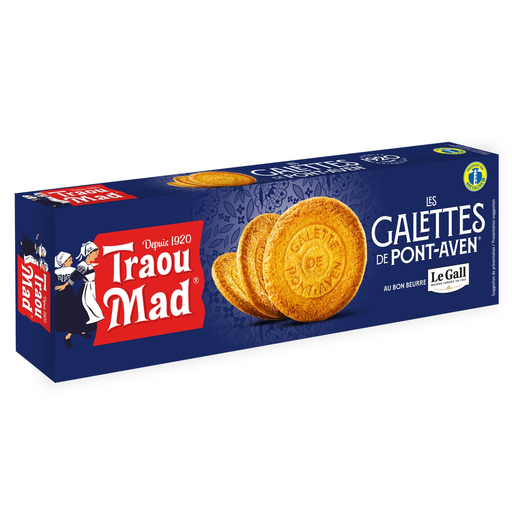 Image unavailable
Worth considering for a base where you want the flavour of Breton butter biscuits to shine. Check the allergens on the pack and adjust the melted butter after crushing the biscuits.
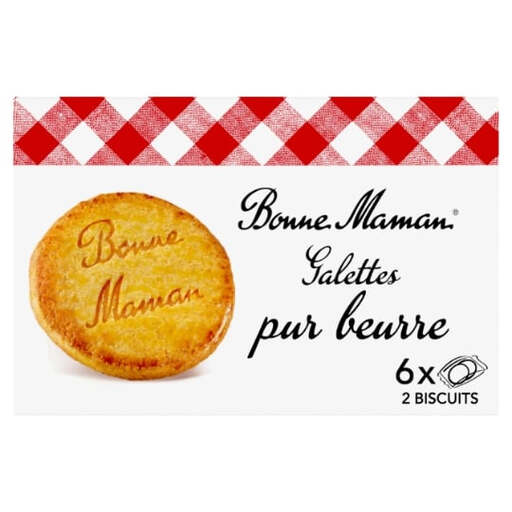 Image unavailable
A pure-butter biscuit to consider when you want its flavour to come through in the cake. Check the ingredients and warnings on the pack, then test that the base holds together before pressing it into the tin.
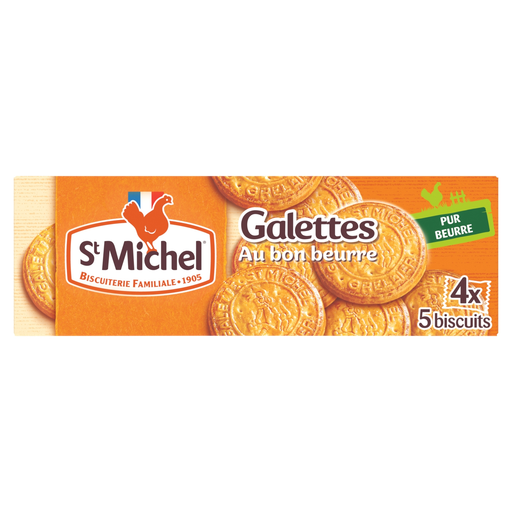 Image unavailable
Another biscuit to compare for a buttery cake base. Check the ingredients if there are any allergens you need to avoid. When making the base, add the melted butter to the crumbs gradually.
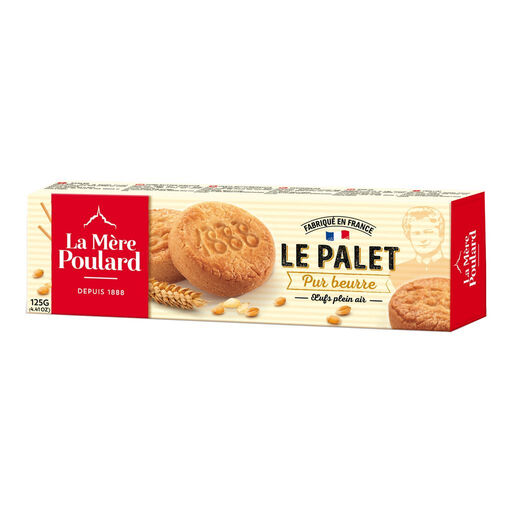 Image unavailable
These shortbread rounds are a different option from Breton biscuits if you’d like to try another buttery biscuit for your cake base. Crush a small amount and check how well the mixture holds together before making the whole base.
No. Santé publique France says that displaying the Nutri-Score is voluntary, while the DGCCRF states that most pre-packed foods must carry a nutrition declaration. So compare the nutritional information and ingredients, whether or not there’s a logo.
Yes, if you’d like a more pronounced buttery flavour in the base. 750g recipes combine crushed biscuits with melted butter, and the amount can vary depending on the biscuit. Add it gradually and check that the mixture holds together before pressing it into the tin.
No. Carrefour’s listing for McVitie’s Digestive Original mentions wheat. If your recipe needs to be gluten-free, look for this label on the exact product and check its other ingredients and warnings, too.