Students looking for an easy-to-store pack
If you have a kitchen with limited facilities, the pack’s weight and whether it contains individually wrapped portions could matter if you plan to take biscuits with you or save them for a few breaks.


When moving into student accommodation, choose according to how you’ll use them: go for a Digestive-style biscuit if you’re looking for a recipe made with grains, or individually wrapped shortbread if you plan to take some with you. If nutritional information is important to your choice, compare like-for-like biscuits per 100 g, then check the ingredients and allergens. According to Manger Bouger, displaying the Nutri-Score is voluntary.
If you have a kitchen with limited facilities, the pack’s weight and whether it contains individually wrapped portions could matter if you plan to take biscuits with you or save them for a few breaks.
You want to compare similar biscuits using their nutritional information per 100 g, including sugars, fat, salt and fibre. The Nutri-Score can be a useful guide when it’s displayed.
Check the ingredients and any ‘may contain’ warnings for the exact product you’re buying: you can’t tell what’s in shortbread or Digestive-style biscuits just from the product range name.
When stocking a cupboard as you move in, start with how you plan to use the biscuits, then compare the recipes and packaging of products that suit your needs.
| Criteria | What to check | Who is it for? |
|---|---|---|
| Nutritional comparison | Nutri-Score, if shown on the packaging; nutritional information per 100 g for like-for-like biscuits. | I want to compare two similar recipes without relying on the product name alone. Around 31% of consumers concerned with this are said to prioritise this comparison. |
| Pack format | Net weight and whether the pack contains individually wrapped portions. | If I’m splitting my biscuits between home and days out, how they’re packaged becomes my top priority. This applies to around 23% of consumers. |
| Flavour and type of biscuit | Recipe and ingredients: grain-based Digestive, plain shortbread or chocolate-coated shortbread. | For my breaks, I’d rather choose between a grain-based biscuit and an indulgent shortbread first. Around 23% of consumers would make this their top priority. |
| Allergens | Highlighted ingredients and ‘may contain’ warnings on the packaging of the product you’re buying. | If I need to avoid an ingredient, the exact recipe matters more than the format or flavour. Around 23% of consumers are said to prioritise this check. |
The name alone doesn’t tell you what’s in a biscuit. Carrefour France’s listing for McVitie’s Digestive mentions ingredients including wholemeal wheat flour and sugar.
To choose between recipes, read the ingredients and compare the nutritional information per 100 g.
According to Manger Bouger, companies choose whether to display this logo. So its absence doesn’t, by itself, tell you how one biscuit compares with another.
If it is shown, use it to compare similar products, then check their nutritional information and ingredients.
Ingredients and possible traces vary from one recipe to another. The information St Michel provides for its Sablé de Retz mentions gluten, milk and soya.
Check the ingredients list and any ‘may contain’ warnings on the packaging of the product you’re buying.
Carrefour France says its Classic’ hazelnut shortbread has been discontinued. So don’t let a product listing be the only thing that determines your choice before you buy.
Check that the product you want is available when you place your order or visit the shop.
Sablé de Retz is worth considering if you’re looking for shortbread in individually wrapped portions.
Granola milk chocolate-coated biscuits are chocolatey shortbread, rather than classic Digestives.
Compare products from this own-label brand recipe by recipe, using their ingredients and nutritional information.
These Joybuy products include individually wrapped shortbread, chocolatey shortbread, and fig and bran biscuits. If you’re looking for classic Digestives, use the same checks for recipe, pack format and allergens.
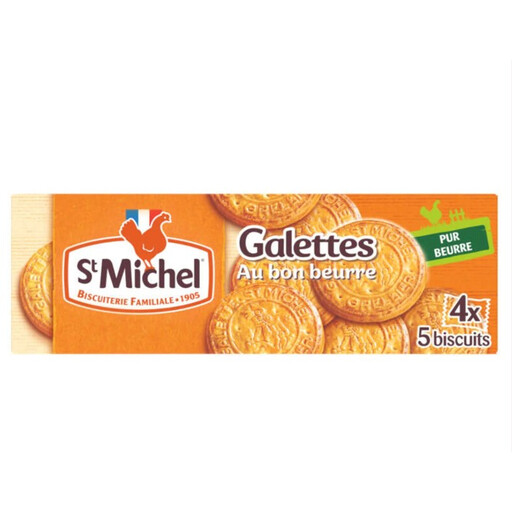 Image unavailable
Worth considering if you’d like to spread your shortbread across several breaks or take a pack with you: according to St Michel, the box contains four packs of five biscuits.
The recipe listed for this product contains gluten, milk and soya; it may also contain traces of nuts, sesame and egg. Check the packaging if this information affects your choice.
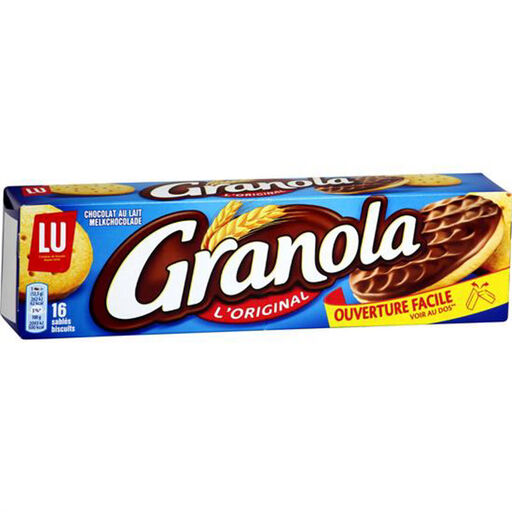 Image unavailable
Worth considering if you’re after chocolatey shortbread rather than Digestive-style biscuits. Carrefour France’s listing describes a 200 g pack of biscuits coated in milk chocolate.
This recipe contains wheat, milk and soya, and may contain nuts. If necessary, check these warnings on the packaging before buying.
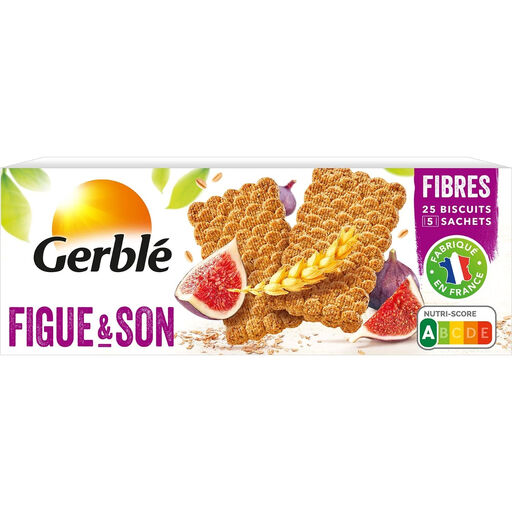 Image unavailable
Worth considering if you’d like a fig and bran recipe rather than plain shortbread. The pack weighs 210 g.
To compare these with other biscuits, check the nutritional information per 100 g and the allergen warnings on the packaging of this product.
No. According to Manger Bouger, displaying it is voluntary. If the logo isn’t on the pack, check the nutritional information and ingredients to compare similar biscuits.
First, compare biscuits of the same type per 100 g. Manger Bouger explains that the Nutri-Score is calculated per 100 g or 100 ml. For biscuits, also check the sugars, fat, salt and fibre where this information is provided.
This format can be handy if you want to take some of the pack with you. The 120 g Sablé de Retz listed by St Michel contains four packs of five biscuits; however, check the ingredients for this product before choosing it.
Read the ingredients and any ‘may contain’ warnings on the packaging of the product you’re buying. St Michel says allergens present in its recipes are highlighted in the ingredients list; the brand name is no substitute for checking the specific product.