Anyone planning something to share
For Epiphany, the flavour and pack size can help you choose biscuits to serve to a group. If you’re offering a selection, keep the packaging handy so you can check the allergens.


For Epiphany, choose a classic Digestive biscuit if you’re looking for a dry, cereal-based biscuit to serve with a drink or crumble into a dessert. If the filling matters more when you’re sharing, opt for a filled biscuit. Then compare the nutritional information per 100 g and the allergens for the products you’re considering. In France, the DGCCRF distinguishes between the nutrition declaration, which is compulsory for most prepacked foods, and Nutri-Score, which is optional.
For Epiphany, the flavour and pack size can help you choose biscuits to serve to a group. If you’re offering a selection, keep the packaging handy so you can check the allergens.
If you want to compare the ingredients in similar biscuits, check the nutritional information per 100 g and their Nutri-Score if one is shown. If the logo isn’t there, you can still make an informed choice by reading the label.
If you’re mainly after a dry, cereal-based biscuit, Digestives offer something different from filled biscuits. They’re a good choice with a drink or as a crumbly dessert base.
For Epiphany, first decide whether you want a dry biscuit or a filling, then compare products in your chosen category using the same nutritional measure.
| What to consider | What to check | Who is this for? |
|---|---|---|
| Nutrition label | Compare sugars, fat, saturates, fibre and salt per 100 g; check the Nutri-Score if one is shown. | If I want to compare several recipes without relying on the packaging alone, the per-100 g values give me a common basis. Around 38% of consumers check nutritional information first. |
| Type of biscuit | Check the product description and whether it has a filling: a cereal-based Digestive biscuit isn’t necessarily filled. | If I want something to enjoy with a drink, I might look for a plain biscuit; if I want a filling to share, I’d choose a filled biscuit instead. This is the top priority for around 23% of consumers. |
| Ingredients and allergens | Read the ingredients list, any highlighted allergens and any ‘may contain’ statements on the exact pack. | If guests need to avoid certain ingredients, I need to be able to identify every biscuit I serve. For around 23% of consumers, recipe suitability comes before other considerations. |
| Pack size | Check the net weight and, if it matters when serving, the number of biscuits or individual packs. | If several people will be helping themselves, I want a quantity and pack size that suit the table. Around 16% of consumers make their choice based first on pack size and budget. |
In France, the DGCCRF explains that displaying Nutri-Score is optional, unlike the nutrition declaration required for most prepacked foods. A pack without the logo can still include the information you need to compare products.
Compare the nutritional information per 100 g. If similar products display a Nutri-Score, you can use that as an additional guide.
The cereal-based Digestive biscuit sold by Carrefour is a plain biscuit, while the Prince, BN and Oreo products mentioned by retailers are filled. They’re not suited to the same occasions.
Check the product description before choosing whether you want a crunchy biscuit to crumble or a filled biscuit to serve.
Wholegrains, an organic recipe or the absence of palm oil aren’t enough on their own to determine a biscuit’s overall nutritional profile.
Keep the recipe features that matter to you in mind, then compare the per-100 g values and, where shown on similar products, the Nutri-Score.
The recipes mentioned contain wheat and, depending on the biscuit, milk, soya or other allergens. Different varieties in the same range may have different ingredients.
Check each individual pack and keep its packaging to hand while serving so you can refer to the ingredients list.
The Prince milk chocolate and wholewheat product featured by Carrefour France is a classic filled biscuit.
Auchan France features a chocolate-filled biscuit made with wholegrains.
The Original product featured by Carrefour France combines two cocoa biscuits with a vanilla filling. It’s a flavour choice, not a classic Digestive biscuit.
Carrefour France features an organic milk chocolate-filled biscuit, worth considering if these recipe features matter to you.
E.Leclerc features a 225 g pack of cocoa-filled biscuits.
Auchan France lists organic chocolate-filled biscuits under this own-brand label.
These Joybuy products are filled biscuits to consider sharing at Epiphany. The last one is a filled rolled biscuit, rather than a classic sandwich-style biscuit. Check the pack label for each product before choosing.
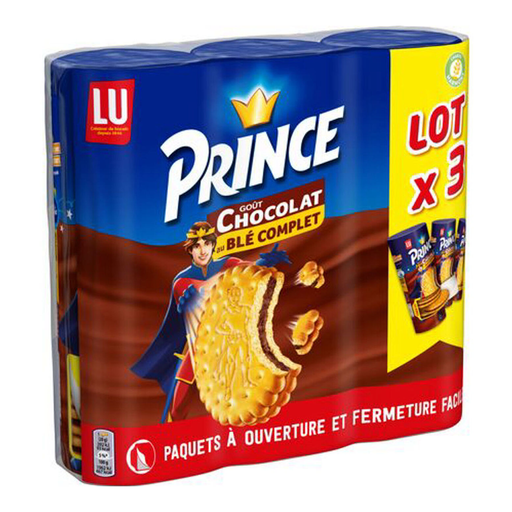 Image unavailable
This multipack of chocolate-filled biscuits could be a good choice if you want several packs to share. It contains wheat, milk and soya and may contain egg; check the exact label before serving.
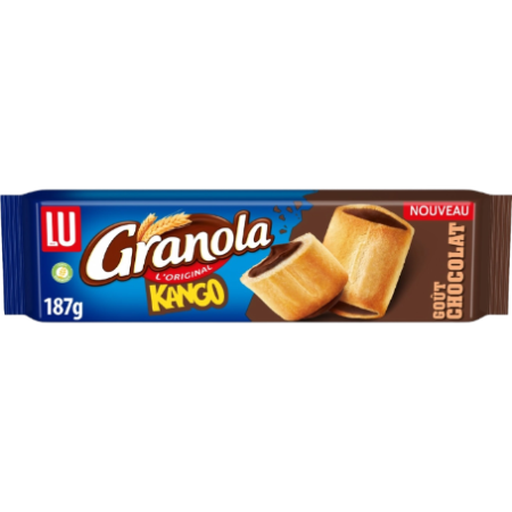 Image unavailable
These chocolate-filled biscuits are a tasty choice for a snack or dessert. They contain wheat, milk, eggs and soya, and may contain sesame; check the pack if you’re serving them to a group.
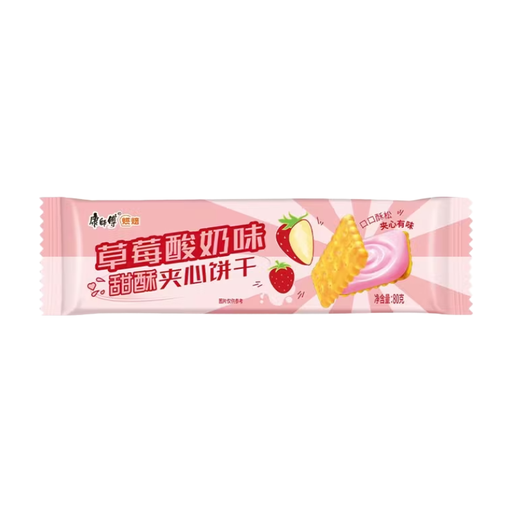 Image unavailable
These sandwich biscuits are for anyone who prefers a strawberry yoghurt flavour to a chocolate filling. They contain wheat, milk and soya; check the label before serving them to anyone with allergies to these ingredients.
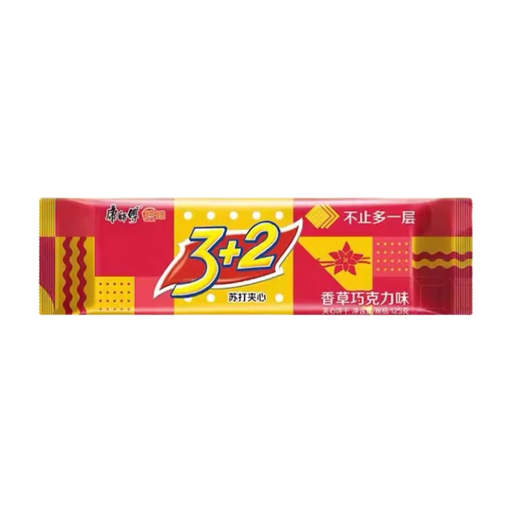 Image unavailable
Choose this filled variety if you fancy a vanilla and chocolate flavour with your snack. It contains wheat, milk and soya; compare its label with those of the other recipes you’re considering.
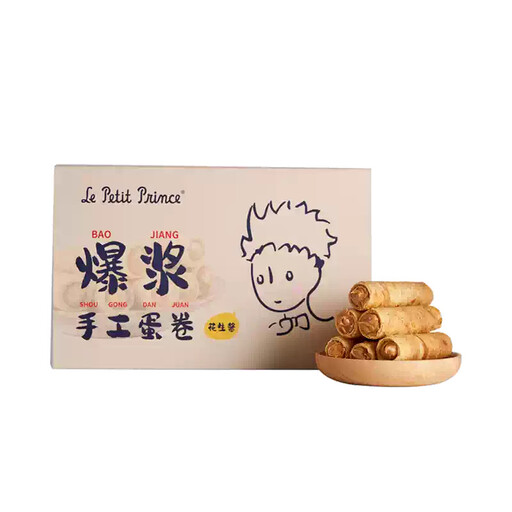 Image unavailable
Choose these if you’d prefer filled rolled biscuits rather than classic sandwich biscuits. They contain wheat and peanuts; check the exact pack before serving.
No. The DGCCRF states that displaying Nutri-Score is voluntary. The nutrition declaration, on the other hand, is compulsory for most prepacked foods, subject to applicable exceptions. You can therefore compare a biscuit’s nutritional values even if its pack doesn’t carry the logo.
Compare their nutritional information on the same per-100 g basis, including energy, fat, saturates, sugars and salt. Check the ingredients and allergens separately: a Nutri-Score, if shown, doesn’t replace this information.
No. The Auchan product information for the Gerblé cocoa-filled biscuit carrying this claim also lists a sweetener: maltitol. Read the ingredients list and nutritional information for the exact product, rather than making your decision based on that claim alone.
Follow the storage instructions and date shown on each pack. The DGCCRF explains that a best-before date is expressed as ‘best before’; keep the packaging so you can refer to the instructions for the biscuits you’ve bought.