Anyone preparing a spread with toppings
For a Bastille Day spread, a crisp base lets you offer a range of toppings. Pack size and salt content also matter when several people will be helping themselves.


For a Bastille Day spread with sweet or savoury toppings, choose crispbread or table crackers whose ingredients, salt content and allergens you can check. A biscuit called a ‘digestive’ is better suited to a sweet biscuit craving: its name does not prove that it aids digestion. If you need to avoid gluten, check the information on the specific pack rather than relying on the grain highlighted on the front.
For a Bastille Day spread, a crisp base lets you offer a range of toppings. Pack size and salt content also matter when several people will be helping themselves.
If the name catches your eye, distinguish between a sweet biscuit and a crispbread for toppings. The ingredients and nutritional information tell you about the product; its name does not prove that it aids digestion.
The presence of wheat, gluten or possible traces can affect your choice. Even if a recipe is made with buckwheat, you should still read the information on the specific pack.
First decide whether you want something to serve with toppings or a biscuit to enjoy on its own. Then compare the labels of products in the category you’ve chosen.
| What to consider | What to check | Who is it for? |
|---|---|---|
| Base for toppings | Whether the product is intended for toppings and how much is in the pack. | When putting together an apéritif with a range of toppings, I first look for a crisp base suited to the purpose. Around 31% of consumers would prioritise this. |
| Ingredients and product name | Ingredients and nutritional information per 100 g; don’t assume the word ‘digestive’ means it aids digestion. | If the name ‘digestive’ catches my eye, I want to know what the biscuit actually contains before choosing it. This would be the main consideration for around 31% of consumers. |
| Gluten and allergens | The ingredients list, declared allergens and any ‘may contain’ warnings on the specific pack. | If I need to avoid an ingredient, the grain shown on the front of the pack isn’t enough to make my choice. Around 23% of consumers would put checking allergens first. |
| Pack size and availability | Quantity per pack and availability at the store or through the collection option you’ve chosen. | When planning a spread to share, I need to know whether I’ll be able to get enough packs of the product I’ve chosen. Around 15% of consumers would make this a priority. |
A biscuit’s name doesn’t mean it aids digestion. The DGCCRF notes that health claims on food are regulated and must be authorised.
Choose according to how you plan to use the product and its nutritional information. Don’t treat this biscuit as a remedy for a symptom.
The Céréal Bio buckwheat crispbread featured by Auchan states that it is made in a facility that also uses soya and gluten.
If you need to avoid gluten completely, check for a gluten-free label and read the warnings on the specific pack.
Crispbread for toppings and a biscuit for snacking serve different purposes at the table. For the McVitie’s Digestive Original featured, Carrefour lists 21.3 g of fat per 100 g.
Decide how you plan to use the product first, then compare the ingredients and nutritional information of products suited to that purpose.
A product listed by a retailer may not be available at your chosen store or through your selected collection option.
Before deciding how many packs you need for your gathering, check that the product is available locally.
These examples show how products can differ. Check the product information or packaging for the one you plan to buy.
The retailer offers, among other products, crisp wheat toast and a Céréal Bio buckwheat option.
The retailer offers rye crispbread, rusks and biscuits called ‘Digestive’.
E.Leclerc’s Epi d’Or range includes crisp rye and wholemeal wheat toast, as well as varieties with cereals and seeds.
Digestive Original is a sweet biscuit to enjoy on its own, not a base for toppings.
The buckwheat crispbread featured by Auchan offers an alternative to wheat-based varieties.
These two products are crisp bases to serve with toppings as part of a spread to share. They have different names and ingredients, so check the specific pack against the toppings you’re planning and the allergens you need to avoid.
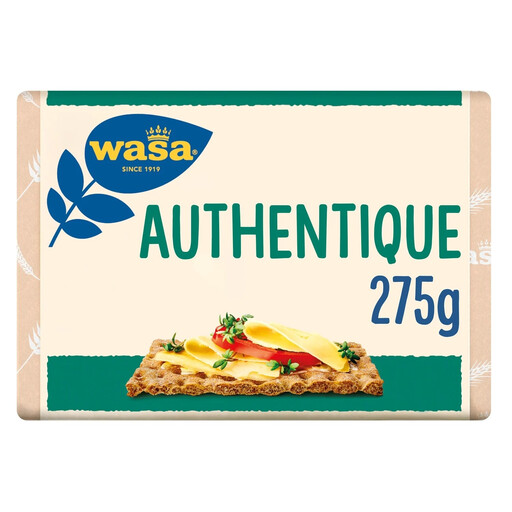 Image unavailable
A crisp rye base to consider if you’re planning a selection of toppings. Before serving it to anyone with allergies, check the pack for gluten and possible traces of other allergens.
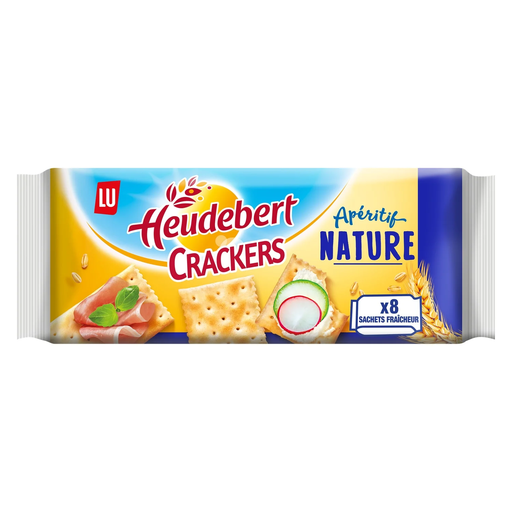 Image unavailable
Table crackers to consider for an apéritif with toppings. They contain wheat; check the pack for other ingredients and allergen information relevant to your needs.
No. The name doesn’t prove that it aids digestion. The DGCCRF notes that health claims on food are regulated and must be authorised. When choosing a biscuit, look at its ingredients and nutritional information instead.
No. The Céréal Bio product featured by Auchan states that it is made in a facility that also uses gluten. If you need to avoid gluten completely, check for a gluten-free label and read the warnings on the specific pack.
Compare the nutritional values per 100 g, particularly fibre, sugars, fat and salt, taking into account how you plan to use the product and what you’ll serve with it. Also check the ingredients and allergens: a sweet biscuit and crispbread for toppings serve different purposes.
First, follow the instructions on the pack you’ve chosen and keep the crispbread away from moisture. Auchan’s product information for its wheat toast says to protect it from heat and humidity; for the Céréal Bio toast, it recommends storing it in a cool, dry place.