Fans of digestive biscuits with tea
If you’re after a biscuit made with cereals rather than coconut shortbread, the Digestive Original listed by Carrefour is one option. Its recipe contains wholemeal wheat flour.


When choosing biscuits to enjoy with tea, start with the recipe you fancy, then check that it’s suitable for everyone who’ll be sharing them. The McVitie’s Digestive Original listed by Carrefour contains wholemeal wheat flour, as well as wheat and palm oil; St Michel’s Sablés de Retz have a coconut recipe. If you need to avoid gluten, don’t rely on the word ‘digestive’: look for an explicit ‘gluten-free’ claim on the packet.
If you’re after a biscuit made with cereals rather than coconut shortbread, the Digestive Original listed by Carrefour is one option. Its recipe contains wholemeal wheat flour.
St Michel’s Sablés de Retz are a good match for a tea break if you fancy a coconut recipe. Check the pack size you choose if you want to spread them across several breaks.
A cereal-based digestive biscuit may contain wheat, as in the McVitie’s biscuits described by Carrefour. Look for an explicit ‘gluten-free’ claim and check the label on the product you buy; Carrefour describes Schär digestive biscuits as a gluten-free option.
When putting together a tea-and-biscuits spread, first rule out any recipes that don’t meet the dietary requirements in question. Then compare the remaining options by taste, pack size and nutritional information.
| What matters | What to check | Who it matters to |
|---|---|---|
| Taste and sharing | Look at the recipe highlighted on the pack — cereals or coconut, for example — and check the pack size. | For a tea break, some people start by choosing the type of biscuit they feel like serving, whether they’re sharing or not. Around 45% of consumers prioritise this. |
| Nutritional information | Compare sugars, fat, salt and energy per 100 g, rather than comparing portions of different sizes. | When I like two recipes, I want to compare their nutritional values on the same basis. This is the priority for around 33% of consumers. |
| Gluten and allergens | Read the allergen information for the product you’re buying; if you need to avoid gluten, look for an explicit ‘gluten-free’ claim. | If I need to avoid an ingredient, whether the biscuit is suitable matters more than its flavour or pack size. Around 22% of consumers prioritise this check. |
The McVitie’s Digestive Original described by Carrefour contains wheat. So the name of this type of biscuit doesn’t tell you whether the recipe is suitable for someone avoiding gluten.
Look for a ‘gluten-free’ claim on the packet, then check the ingredients list and allergen information again.
A value given per portion doesn’t, on its own, give you a consistent basis for comparing two biscuits. The DGCCRF says that nutrition declarations for relevant foods are given per 100 g or 100 ml.
For these biscuits, compare the nutritional information per 100 g, then choose a pack size that suits the way you’ll use them.
According to Santé publique France, displaying the Nutri-Score is voluntary. The presence of cereals alone doesn’t tell you about the sugars, fat or allergens in a recipe.
If a Nutri-Score is shown, use it to compare products in the same category, while also checking the nutrition table and ingredients list.
Carrefour’s listing for Schär digestive biscuits marks them as unavailable for Drive delivery. An online listing doesn’t necessarily mean the product will be available in your store.
Check availability at your chosen store and for your preferred collection method before planning to include this product on your tea table.
A good option if you’re looking for a cereal-based digestive biscuit: Carrefour lists Digestive Original in a 360 g pack.
Sablés de Retz are another option for tea, with a coconut recipe instead of a cereal-based digestive biscuit.
Carrefour describes Schär digestive biscuits as a gluten-free option to consider serving with tea.
This Joybuy selection features a classic coconut shortbread biscuit for a tea break. It’s different from a cereal-based digestive biscuit or a biscuit labelled ‘gluten-free’.
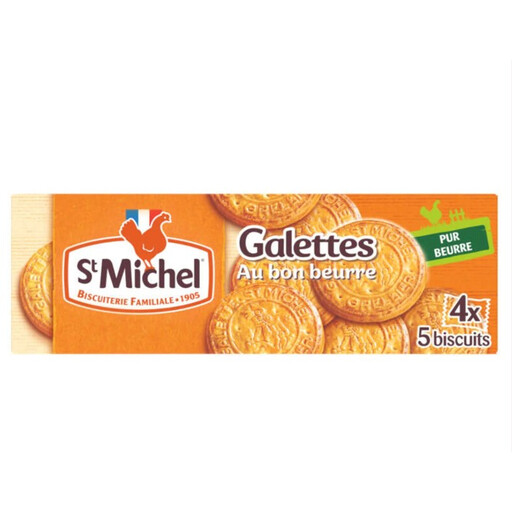 Image unavailable
Coconut shortbread to serve with tea. St Michel says this recipe contains 9.9% desiccated coconut, as well as gluten, milk and soya. Check the packet label if you need to avoid any of these ingredients.
The name alone isn’t enough to establish any digestive benefits. When choosing a digestive biscuit, check its ingredients, allergens and nutritional information rather than assuming it has a particular effect based on its name.
Compare their nutritional values per 100 g, particularly the sugars, fat and salt. The DGCCRF explains that this standard format lets you compare relevant foods even when their pack or portion sizes differ.
No. According to Santé publique France, producers choose whether to display it. When shown, it can help you compare biscuits in the same category, but it doesn’t replace checking the ingredients and allergens.
Check the ingredients list on the specific packet you’re buying. The DGCCRF says allergenic ingredients must be highlighted on the labels of prepacked foods; don’t assume coconut shortbread and digestive biscuits have the same recipe.