First, choose a biscuit that meets the pupil’s dietary requirements. A classic digestive may contain wheat, while a ‘gluten-free’ label doesn’t mean you can skip checking for other allergens or any requirements set out in an Individualised Welcome Plan (PAI). Then compare the nutrition information per 100 g with the amount you’ll actually pack. An individually wrapped portion is easy to carry, but the packaging alone won’t tell you what’s in the biscuit.
Who is this choice for?
Parents comparing ingredients
When choosing between biscuits for a regular lunchbox, compare the sugar, fat, salt and energy per 100 g, then check the planned portion size. The DGCCRF reminds shoppers that Nutri-Score is voluntary, so its absence doesn’t stop you from checking the nutrition declaration.
Families managing gluten or an allergy
The ingredients list, highlighted allergens and any requirements specific to the pupil matter more than the biscuit’s name or format. The French Ministry of National Education says a PAI can set out the dietary adjustments needed at school.
Families who need to prepare lunchboxes quickly
An individually wrapped portion can save you from putting an opened packet in the school bag. Check the number of biscuits and the portion weight, then read the label for the product you’ve chosen: the packaging doesn’t determine its ingredients.
Which criteria should you check first?
For a secondary-school lunchbox, any applicable dietary requirements come first. Then compare the ingredients and portion size to choose between the options that are suitable.
Classic digestive
Consider this: if wheat and the product’s other ingredients are suitable for the pupil; Carrefour’s listing for McVitie’s Digestive Original includes wheat flour.
Bear in mind: the name ‘digestive’ guarantees neither that the biscuit is gluten-free nor that it comes in individually wrapped portions.
Gluten-free digestive biscuit
Consider this: if you’re looking for a gluten-free option and its other ingredients meet the relevant requirements; Carrefour describes Schär Digestives as gluten-free.
Bear in mind: ‘gluten-free’ doesn’t mean ‘free from other allergens’. Auchan’s listing for Gerblé Happy Digest notes that it’s made in a facility that handles tree nuts, egg, milk, sesame and soya.
Individually wrapped biscuit
Consider this: if a sealed portion is your priority; Carrefour sells Thé Pocket LU in packs of three biscuits.
Bear in mind: these biscuits aren’t necessarily classic digestives, and their format won’t tell you whether they contain allergens.
| Criteria |
What to check |
Who is it for? |
| Nutritional composition |
Compare the nutrition information per 100 g, particularly sugars and fat, then check the amount you’ll pack. Look at the Nutri-Score if one is displayed. |
If I regularly choose biscuits for a lunchbox, I want to compare their nutritional composition on the same basis before deciding on a portion. This would be the top priority for around 40% of consumers. |
| Portion to take on the go |
Check the number of biscuits per pack and the portion weight; see whether they’re individually wrapped. |
When I need to prepare a lunchbox quickly, a pre-portioned pack saves me from counting out biscuits at the last minute. A portable format would come before the other criteria for around 30% of consumers. |
| Gluten and other allergens |
Read the ingredients, highlighted allergens and warnings; follow the PAI or any individual instructions where applicable. |
For a pupil with dietary restrictions, I need to choose a suitable product before considering its taste or packaging. This would be the main priority for around 30% of consumers. |
Mistakes to avoid
-
Assuming every pack must display a Nutri-Score
According to the DGCCRF, displaying a Nutri-Score is voluntary, while a nutrition declaration is compulsory for the relevant pre-packed foods. So the absence of a Nutri-Score isn’t a reason on its own to rule out a biscuit.
Compare the values per 100 g and the ingredients list; use the Nutri-Score as an additional guide when it’s displayed.
-
Assuming ‘digestive’ means gluten-free
Carrefour’s listing for McVitie’s Digestive Original includes wheat flour. Conversely, a biscuit labelled gluten-free may contain other allergens or carry manufacturing warnings.
Read the label for the exact product and follow any individual requirements that apply to the pupil.
-
Choosing based on the packet alone
A ready-to-pack portion makes lunchbox preparation easier, but it doesn’t tell you about the ingredients or nutritional values of the biscuit inside.
Before choosing a product for regular lunchboxes, check the portion weight, number of biscuits and allergens.
Brands and retailers to look at
LU
An option for families who prefer plain biscuits in individual packs rather than classic digestives.
- Carrefour’s Thé Pocket LU pack contains 12 individual sachets, each with three biscuits.
- Check this product’s allergens before adding it to the lunchbox; its format doesn’t guarantee that it’s suitable for a dietary restriction.
St Michel
Its Sablés de Retz are another option for individually portioned biscuits, rather than classic digestives.
- St Michel says the 120 g box contains four sachets of five biscuits.
- If the pupil has a dietary restriction, check the ingredients and allergens for the specific product.
BN
Mini BN strawberry biscuits are worth considering if format matters more than finding a digestive.
- Carrefour’s listing shows ten biscuits weighing 35 g each.
- This format is no substitute for checking the ingredients and allergen information.
Carrefour
The retailer’s product listings let you compare a wheat-containing digestive with a digestive biscuit labelled gluten-free.
- Its listings note that McVitie’s Digestive Original contains wheat flour and describe Schär Digestives as gluten-free.
- Check whether your chosen product is available in your local store or through your chosen delivery option, and read the full ingredients list.
E.Leclerc / Marque Repère
The Chaque Jour Sans Gluten range could be a starting point if you’re looking for a product labelled gluten-free.
- E.Leclerc says the ‘crossed grain’ logo, when shown on a product, represents a guarantee issued by AFDIAG.
- Check the specific biscuit, any other allergens and local availability.
Auchan
The listing for Gerblé Happy Digest includes details to check if you’re considering a gluten-free digestive-style biscuit.
- Auchan describes this product as gluten-free and lactose-free.
- The listing says it’s made in a facility that handles tree nuts, egg, milk, sesame and soya. Check these details against the pupil’s dietary requirements.
A Joybuy option for an on-the-go format
This selection is for anyone looking for portions to pop into a lunchbox. The biscuit featured is an alternative format, not a classic digestive.
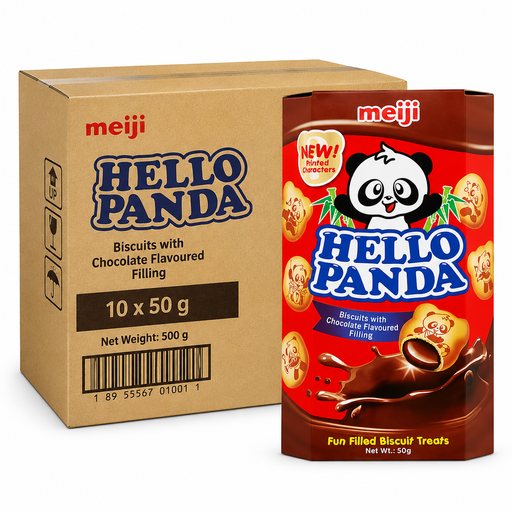 Image unavailable
Meiji Choco Hello Panda, 10 × 50 g
Worth considering if an easy-to-pack format matters more than choosing classic digestives. This chocolate biscuit product comes in a 10 × 50 g pack. Before choosing it for secondary school, check the packaging for allergens, including gluten, milk and soya, as well as the nutrition information you need for your comparison.
View on Joybuy
Frequently asked questions
Is Nutri-Score compulsory on biscuits in France?
No. The DGCCRF says Nutri-Score is voluntary, while a nutrition declaration is compulsory for the relevant pre-packed foods. To compare biscuits, look in particular at the energy, fat, sugars and salt per 100 g.
How can I check whether a digestive biscuit contains gluten?
Read the ingredients list for the exact product and check the allergens highlighted on the packaging. Carrefour’s McVitie’s Digestive Original contains wheat flour, so the name ‘digestive’ alone doesn’t mean a biscuit is gluten-free.
Is a gluten-free biscuit enough if a pupil has a food allergy at school?
No. The words ‘gluten-free’ don’t cover other allergens. Check all the ingredients and warnings for the product. If the pupil needs dietary adjustments, also follow their individual instructions, including any set out in a PAI.
Are individually wrapped biscuits handy for a lunchbox?
They can make it easier to pack a sealed portion, provided the contents are suitable for the pupil. Carrefour sells Thé Pocket LU in packs of three biscuits and mini BN strawberry biscuits in 35 g units. Check the ingredients separately and make sure the amount you pack is right for you.


