For an easy accompaniment to your coffee, choose a Digestive biscuit if you fancy something sweet; opt for a plain cracker as a savoury base for toppings, or crispbread if you’d like to create your own snack. A biscuit marketed for breakfast is another option. Compare its ingredients and nutritional information to decide whether it suits you: the name ‘Digestive’ doesn’t prove that it aids digestion.
Who are these options suited to?
For a sweet biscuit with your coffee
A plain biscuit is ready to enjoy, with no topping to prepare. The Digestive biscuit listed by Carrefour fits the bill, but check its ingredients and nutritional values rather than assuming its name means it aids digestion.
For a savoury snack you can customise
A plain cracker or crispbread makes a handy base for your chosen topping. The examples listed by Auchan and Carrefour show why it’s also worth checking the salt content and allergens in the product you choose.
For comparing labels
If sugar, fat, fibre or salt affects your choice, compare the values per 100 g before checking the portion you plan to eat. The DGCCRF specifies this as the basis for nutrition declarations on the relevant prepacked foods.
What should you check before choosing?
First decide whether you want a ready-to-eat biscuit or a base for toppings. Then use the label to compare products with similar uses, without confusing Digestive biscuits, crackers and crispbread.
| Priority |
What to check |
Who is it for? |
| Ready-to-eat sweet biscuit |
Ingredients, sugars and fat per 100 g. |
With my coffee, I want a sweet biscuit I can eat as it is, without choosing a topping. Around 30% of consumers put this convenience and sweet taste first. |
| Nutritional information |
Values per 100 g, particularly sugars, fibre and salt; composition of the portion eaten. |
If I’m choosing between different morning options, I want to be able to compare their nutritional information on the same basis. This is the priority for around 30% of consumers. |
| Savoury base for toppings |
Salt per 100 g and allergens in the cracker; ingredients in the planned topping. |
I’d rather avoid a sweet taste and add my own topping to a cracker. Around 20% of consumers put this savoury option first. |
| Crispbread to customise |
Type of crispbread, cereals and allergens listed on the packaging. |
For my break, I’m mainly looking for crispbread that I can enjoy with different toppings. Around 20% of consumers put this customisable option first. |
Common misconceptions to avoid
-
Assuming ‘Digestive’ means it aids digestion
The name of the biscuit doesn’t prove that it aids digestion. The Digestive biscuit described by Carrefour contains wheat and sugar, among other ingredients. It’s the ingredients, not the name, that tell you about the product you’re buying.
Choose it for its taste and format. If you have concerns about an ingredient, check the label for the specific variant.
-
Assuming ‘plain’ means low in salt
The plain Heudebert crackers listed by Auchan contain 1.8 g of salt per 100 g. A topping will also change the overall nutritional make-up of what you eat with your coffee.
Compare the salt content of the products you’re considering, and factor in your topping before making a decision.
-
Overlooking allergens in a biscuit that looks simple
The products mentioned don’t all contain the same ingredients: the examples of Digestive biscuits and crackers contain wheat, while the Cracotte Froment listed by Carrefour also contains rye and milk.
Check the ingredients list for the variant you buy. The DGCCRF reminds consumers that allergenic ingredients must be highlighted on the label.
Brands to know when comparing options
McVitie’s
The Digestive Original biscuit listed by Carrefour is a handy choice for a sweet break without a topping.
- The ingredients listed include 16% wholemeal wheat flour.
- It also contains sugar and palm oil; the name ‘Digestive’ doesn’t prove that it aids digestion.
Heudebert
The plain crackers listed by Auchan make a handy base for toppings when you fancy something savoury.
- The pack shown contains eight individual sachets.
- The product contains 1.8 g of salt per 100 g; its product information lists wheat and the possible presence of milk.
Cracotte LU
The Cracotte Froment listed by Carrefour is a crisp breakfast option to enjoy with toppings of your choice.
- Its format lets you choose your topping separately.
- The version shown contains wheat, rye and milk. Check the variant if these ingredients matter to you.
Gerblé
Matin Miel is part of a range of breakfast biscuits; don’t confuse it with Gerblé’s other biscuits.
- Gerblé provides information about wholegrains and fibre for Matin Miel, which you can check on the packaging.
- The brand’s claims don’t replace a comparison of the nutritional values and ingredients of the variant you choose.
Joybuy products for your morning break
This selection includes ready-to-eat biscuits, a savoury cracker and crispbread to top. The right choice depends first on the taste you’re after and how much room you want to leave for toppings.
 Image unavailable
KRISPROLLS Swedish Wholemeal Biscuits 425 g
Worth considering if you prefer a crunchy base for toppings rather than a sweet Digestive biscuit. This 425 g pack is described as wholemeal wheat crispbread. Check the ingredients, particularly if you need to avoid gluten.
View on Joybuy
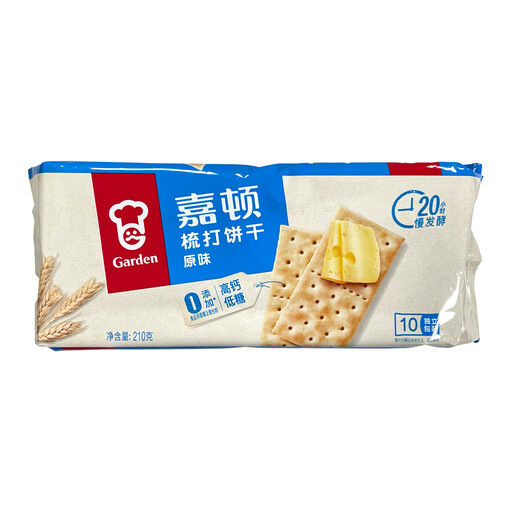 Image unavailable
Garden Saltine Crackers Original 210 g
For a savoury break, enjoy these crackers on their own or with a topping. The information for this variant lists wheat, soya and barley, as well as 1.7 g of salt per 100 g. Compare the salt content if you’re weighing it up against another cracker.
View on Joybuy
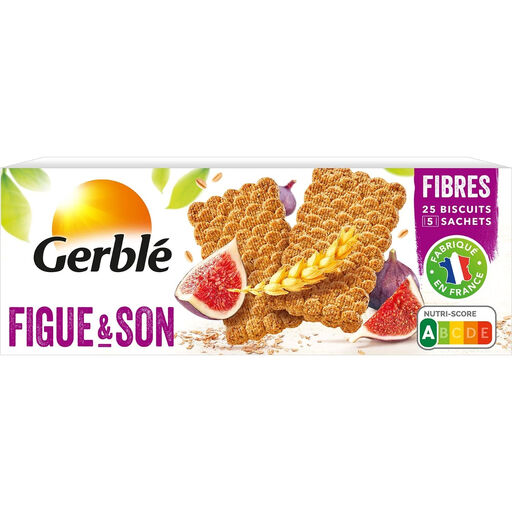 Image unavailable
GERBLE Fig & Bran Biscuits 210 g
A ready-to-eat option if you’re after a fig and bran biscuit for breakfast rather than crispbread to top. This is Fig & Bran, not the Matin Miel mentioned among the brands. Check its own nutritional information and ingredients list.
View on Joybuy
Image unavailable
Dorkbua Stick Biscuit Original Flavour 110 g
Its stick shape makes it a handy ready-to-eat biscuit with coffee, with no topping needed. It isn’t a Digestive biscuit; the product information lists wheat and milk, so check the packaging if necessary.
View on Joybuy
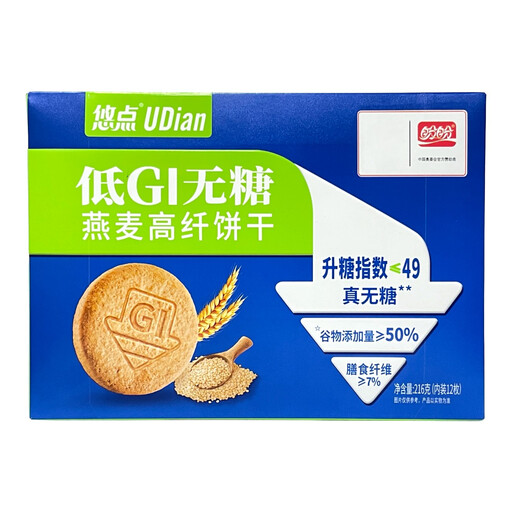 Image unavailable
Panpan oat biscuits 216 g
Worth considering if you’d like a ready-to-eat cereal biscuit. The product information describes it as ‘sugar-free’ but lists 11.7 g of sugars per 100 g, so don’t assume it contains no sugars; check the nutritional information on the packaging. It also lists wheat, soya, oats and eggs.
View on Joybuy
Frequently asked questions
Does a Digestive biscuit necessarily aid digestion?
No. The name alone doesn’t prove any digestive benefit. When choosing a biscuit to enjoy with your coffee, look instead at its taste, ingredients and label.
How can I compare a biscuit, a cracker and crispbread?
Start by reading the nutritional information per 100 g, then consider how much you’ll eat and whether you’ll add a topping. The DGCCRF specifies values per 100 g as the basis for nutrition declarations on the relevant prepacked foods. This lets you compare sugars, fat and salt without being misled by different pack sizes.
Which ingredients should I check if I need to avoid an allergen?
Check the ingredients list for the variant you’re buying, even if you already know the brand. The examples shown include wheat; the Cracotte Froment described by Carrefour also contains rye and milk. The DGCCRF states that allergenic ingredients must be highlighted on the label.


