
Livraison le jour même ou le lendemain

Qualité garantie

Débloquez vos offres de bienvenue: Livraison GRATUITE | Jusqu'à -80 % | 30 jours d'essai gratuits à JoyPlus
Téléchargez l'application
Buying dietary supplements and vitamins may seem straightforward, until you start comparing dosages, chemical forms, number of doses and the actual duration of a course. Between claims of “superior absorption”, highly concentrated formulas and convenient formats that can sometimes be expensive, certain choices can quickly lead to unnecessary spending.
Before you order, three pitfalls deserve your attention:
On the label, compare the quantity per daily serving, rather than just the total amount in the bottle. The NRV, or reference nutrient value, helps you assess the stated intake against European nutritional reference values.
A vitamin C formula, for example, may provide 200 mg or 1,000 mg per serving. These dosages are not intended for the same use. For zinc, also check the cumulative amount if you combine an “immune support” formula with a multivitamin.
Claims relating to vitamin C, vitamin D3, vitamin B12 or zinc should be understood as authorised nutritional information, not as a promise of treatment. A supplement is no substitute for a varied diet or medical advice.
The dosage form mainly affects convenience: tablet, capsule, chewable gummy, effervescent tablet or liquid. People who find swallowing difficult may prefer a chewable vitamin B12, while a liquid format allows you to adjust the number of drops when the product provides for this.
For vegan dietary supplements, check the origin of the active ingredients and the capsule shell. Vitamin D3 is often derived from lanolin, whereas some products use lichen. Vegetable capsules are generally made from hypromellose. The term “vegetarian” therefore does not always mean “vegan”.
Calculate the number of days’ use: 400 tablets taken at a rate of one per day represent a long period, while a 500 ml liquid bottle may provide around 33 doses of 15 ml.
Also read the warnings: pregnancy, breastfeeding, medical treatment, minimum age, and the presence of caffeine or polyols. Biotin may interfere with certain blood test results; you should inform your healthcare professional or the laboratory before having a sample taken. For vitamin D3, vitamin K2, vitamin E or highly concentrated formulas, medical advice may be appropriate depending on your circumstances.
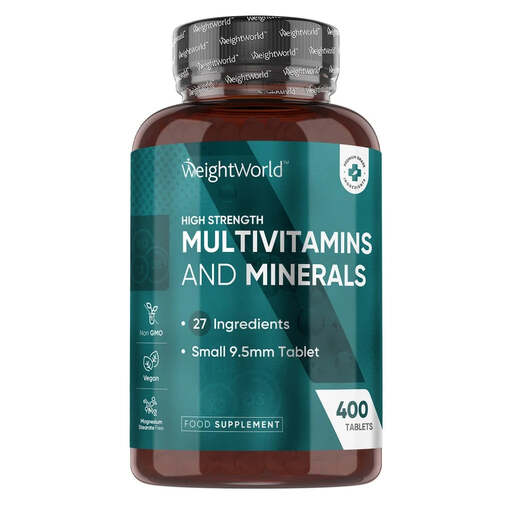
Why this choice suits this profile: One daily serving and a 400-tablet format make it easy to calculate the cost per day when starting a routine.
The composition and daily serving are clearly stated, helping you avoid approximate combinations of several products.
27 vitamins and minerals listed, with vegan and gluten-free tablets, including vitamin B12, vitamin D3, zinc, biotin and vitamin K2.
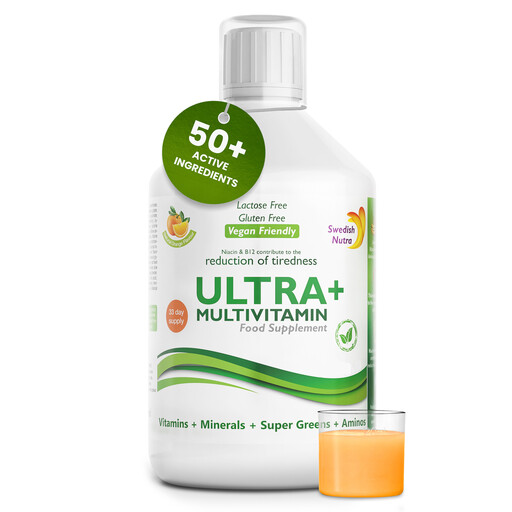
Why this choice suits this profile: The liquid format is ideal for adults who prefer a personalised routine and a supplement that does not require swallowing tablets.
The dose is measured at 15 ml, and the detailed composition makes it possible to check the caffeine, sugars and associated active ingredients before buying.
Vegan, gluten-free and lactose-free formula with vitamins C, D3 and B12, biotin, K2 and minerals. The stated dose also contains 63 mg of caffeine.

Why this choice suits this profile: The chewable format suits people looking for a simple daily serving, particularly as part of a vegan or vegetarian diet.
The dosage of 1,000 µg per tablet and recommendation to take one per day are clearly displayed; however, you should still check whether the dosage is appropriate with a professional.
400 chewable tablets, methylcobalamin, lemon and red fruit flavour, and a formula suitable for vegans and vegetarians.
We have put together a complete, real-time updated list of products that fully meet these strict selection criteria and European safety regulations.
Follow the best-before date and storage conditions shown on the packaging. Tablets should generally be stored in a dry place, away from heat and light. Once opened, liquid products often need to be refrigerated and consumed within a specified period.
This is possible depending on the dosages, but you need to add up the intake provided by each product. A multivitamin formula may already contain vitamin C, zinc, vitamin E or biotin. Check the labels to avoid unnecessary cumulative intake, and ask a professional for advice if you are taking medication or have a health condition.
Dietary supplements for hair, skin and nails may combine biotin, vitamin C, zinc or vitamin E. Compare the amounts per dose and do not rely solely on the word “beauty”. For a specific formula, also check for allergens, dietary suitability, the length of the course and the precautions for use.