
Livraison le jour même ou le lendemain

Qualité garantie

Débloquez vos offres de bienvenue: Livraison GRATUITE | Jusqu'à -80 % | 30 jours d'essai gratuits à JoyPlus
Téléchargez l'application
Between multivitamins, formulas for men or women, and targeted supplements, it’s easy to compare products that don’t actually address the same need. An attractive price can hide a low dose per serving, while a highly concentrated formula isn’t necessarily suitable for daily use.
This guide will help you choose your dietary supplements, vitamins and minerals by taking into account the composition, format, duration of use, and your personal circumstances.
A long list of vitamins doesn’t necessarily mean the product is right for you. Some supplements contain 13 nutrients, others 27 vitamins and minerals, while a vitamin B complex focuses on eight specific vitamins. The number on the box isn’t enough – you should always check the dose per serving.
The percentage of NRV, or Nutrient Reference Value, makes it easier to compare supplements sold in the European Union. A serving might provide 50% of the NRV for zinc, 100% for vitamin D, or 1,250% for vitamin C. A high dose isn’t automatically more beneficial for everyday use.
Also, avoid combining several products that contain the same nutrients without carefully checking the labels. If you are on medication, pregnant, breastfeeding, or have a known health condition, seek advice from a healthcare professional.
Tablets, capsules and gummies don’t suit everyone’s habits. Vitamin gummies are easy to chew, but often contain sugar or glucose syrup. Tablets generally keep well and allow for precise dosing. For long-term use, the number of doses per bottle directly affects the real cost of the supplement.
For a general formula, check for the presence and amounts of vitamins A, C, D and E, as well as the B vitamins. Also look at the minerals included, such as zinc, iodine, magnesium or selenium. A formula designed for women may contain iron, while a supplement for those over 50 may have specific levels of vitamins D and B12 or calcium.
For hair and skin, look in particular for biotin, zinc and vitamin C. According to authorised claims at European level, biotin contributes to the maintenance of normal hair and normal skin. This is not a promise of aesthetic transformation and does not replace a varied, balanced diet.
Always compare the number of servings, not just the number of tablets. For example, 180 tablets taken as one per day last about six months. At two tablets daily, they only last three months.
A long-lasting dietary supplement can be convenient to avoid repeat orders, as long as you stick to the recommended dose. Scored tablets may also suit those who want to adjust their intake, but only when the instructions allow it.
Claims such as vegan, gluten-free, lactose-free or free from declared allergens should be checked on the product page. The ingredients list remains the reference, especially if soya, coating agents, gelatine or sweeteners are a concern.
Products containing potassium, zinc and vitamin C, MSM, milk thistle, or those heavily dosed with vitamin C, address more specific needs. They shouldn’t be added thoughtlessly to an already complete multivitamin.
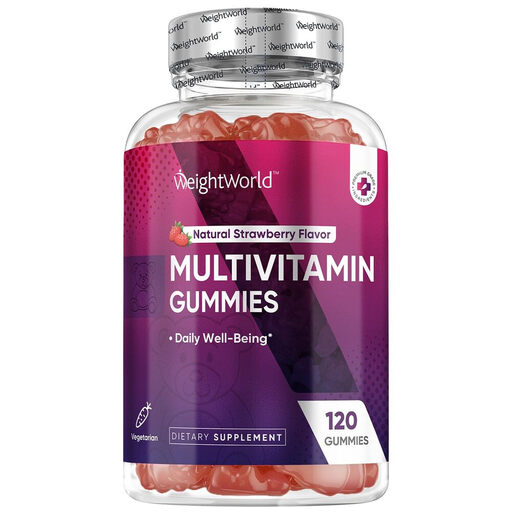
Why this choice suits this profile: The chewable format and dose of two gummies per day make incorporating a multivitamin particularly simple. The formula provides 13 vitamins and minerals, including vitamins C and D3, zinc, iodine and biotin.
The product page details the quantities for two gummies and states that the formula is pectin-based. This means you can check the actual serving rather than relying solely on the fun format.
120 gummies, strawberry flavour, vegetarian formula and 100% NRV for several vitamins per serving.
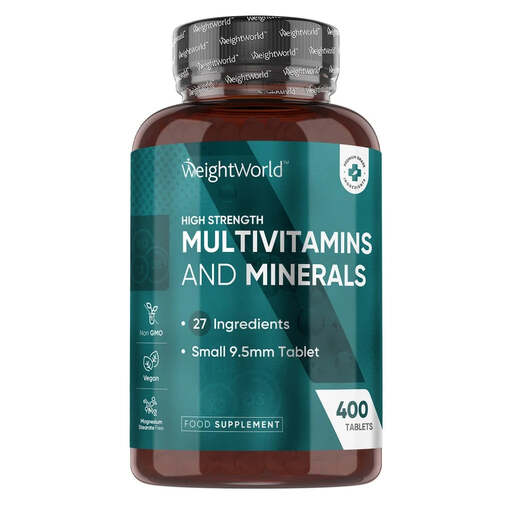
Why this choice suits this profile: This formula brings together 27 vitamins and minerals, with one tablet per day. It’s aimed at consumers looking for a very comprehensive composition, a compact format and a generous supply.
The nutritional table details the quantities per tablet, including for magnesium, zinc, vitamins D3 and K2, and potassium.
400 tablets, vegan and gluten-free formula, 9.5 mm tablets and peppermint flavour.
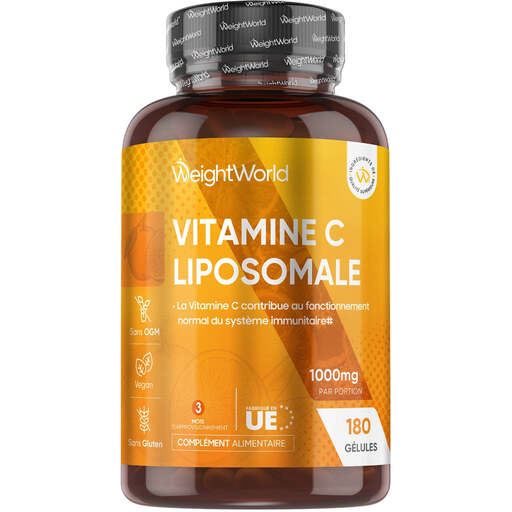
Why this choice suits this profile: The vitamin C-zinc duo is aimed at those looking for a simple, sugar-free formula to support an active routine or a diet that’s already balanced.
The dose is clearly stated per tablet, and the tablets are scored. However, avoid combining it with a multivitamin that is already high in zinc or vitamin C.
1,000 mg of vitamin C and 10 mg of zinc per tablet, 180 units, vegan and sugar-free formula.
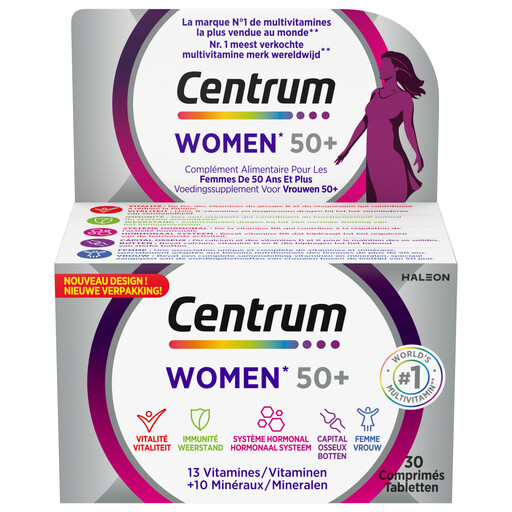
Why this choice suits this profile: Designed for women over 50, this formula brings together 13 vitamins and 10 minerals, including vitamins D, K and B12, calcium and magnesium.
The target age group is clearly stated. This helps you avoid choosing a general formula without comparing the levels of vitamins D and B12 or calcium.
One daily dose, 30 tablets, 15 µg of vitamin D and 340 mg of calcium per tablet according to the product page.
We’ve put together a comprehensive, real-time updated selection of products that meet these exacting criteria and European safety regulations.
A multivitamin combines several vitamins and minerals in a general formula. A vitamin B complex brings together the eight B vitamins, sometimes with vitamin C. It’s more suitable for people who want to target this group of nutrients, particularly in a long-lasting vegan formula like the WeightWorld Vitamin B Complex 365 Tablets.
It’s possible, but only after checking the combined doses. Many multivitamins already contain zinc and vitamin C. Adding a supplement that combines these two nutrients could therefore unnecessarily increase your intake. Follow the instructions on the label and seek medical advice if you are on medication or have a particular condition.
Follow the best-before date on the packaging and the recommended storage conditions. Keep the bottle closed, in a dry place, away from heat and direct light. The length of use then depends on the number of servings and the daily dose: 365 tablets taken as one per day, for example, gives you a supply of around twelve months.