
Livraison le jour même ou le lendemain

Qualité garantie

Débloquez vos offres de bienvenue: Livraison GRATUITE | Jusqu'à -80 % | 30 jours d'essai gratuits à JoyPlus
Téléchargez l'application
With promises of instant energy, dosages listed in the thousands of milligrams and ‘all-in-one’ formulas, shopping for dietary supplements can quickly become confusing. Active adults, recreational athletes and vegan shoppers all have different needs and priorities.
Before you check out, watch out for these three common pitfalls:
Start by checking the recommended daily dose, then compare the amount provided per serving, rather than the total weight of the tub. For amino acids, also check the proportions of the different ingredients.
For example, a BCAA product may list 5 or 8 g per serving, with a 2:1:1 ratio of L-leucine, L-isoleucine and L-valine. It’s easier to compare products when the format, number of servings and dosage are all listed together.
For plant extracts such as guarana, shilajit or forskolin, make sure you distinguish the extraction ratio from the amount you’ll actually consume. Also check whether the product contains caffeine if it’s marketed as a dietary supplement to support energy.
Capsules, tablets, powders and chewable tablets aren’t suited to the same uses. Glycine powder can easily be mixed into a drink, while vitamin B12 microtablets offer a compact way to take it daily.
Work out how many days each pack will last. Here are a few examples:
This helps you compare the cost per day, rather than just the price on the label.
Read the full ingredients list, including fillers, sweeteners and capsule shells. If you’re looking for vegan dietary supplements, check in particular that the capsule or tablet coating doesn’t contain gelatine.
A ‘vegan’ label doesn’t mean you can skip checking for possible allergen traces. Body&Fit BCAA Amino is described as suitable for vegetarians and vegans, but it may be made in an environment where gluten, soya, milk, eggs and nuts are handled.
Vitamins and minerals call for particular care. Iron bisglycinate at 28 mg, vitamin B12 at 1,000 µg or selenium at 200 µg are high intakes compared with the nutrient reference values listed on the product pages. Iron in particular shouldn’t be chosen without considering your personal circumstances. If you’re taking medication, are pregnant or breastfeeding, or have a health condition, ask a healthcare professional for advice.
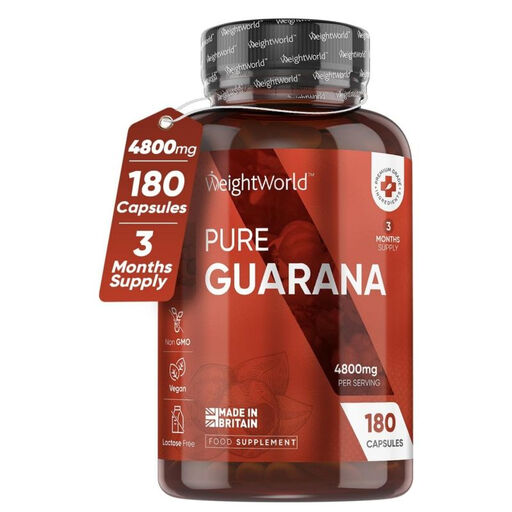
Why it’s a good fit for this group : a simple, unflavoured capsule formula for anyone who wants to try an energy supplement without buying several products at once.
The product page specifies a serving of two capsules, a 10:1 extract and the naturally occurring caffeine from guarana.
180 capsules, with a vegan formula that’s gluten-free and GMO-free, according to the information provided.
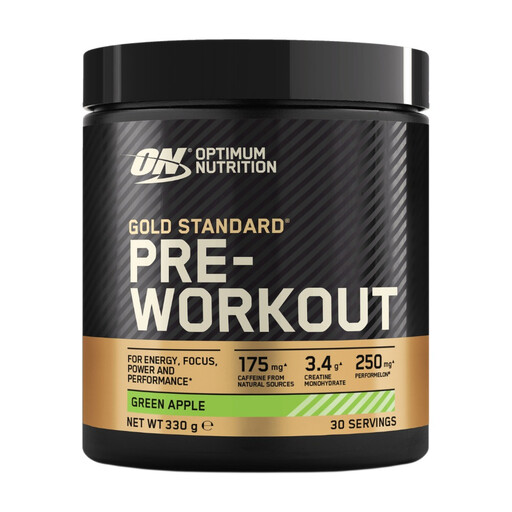
Why it’s a good fit for this group : a detailed pre-workout formula for anyone who wants to compare several active ingredients in a clearly defined serving.
The product page lists 175 mg of caffeine, 3.4 g of creatine monohydrate and an 11 g serving, making the dosage easy to check.
Around 30 servings, B vitamins and instructions to take it 20 to 30 minutes before training.
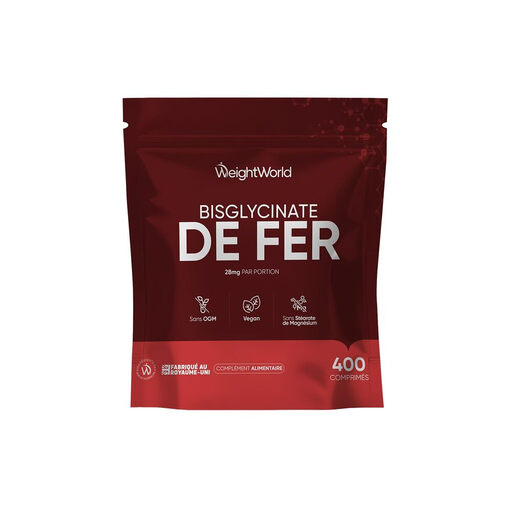
Why it’s a good fit for this group : a large pack for people who have been given specific advice about their iron intake.
The amount per tablet, bisglycinate form and warnings about iron overload are clearly stated.
400 tablets, with vitamin C, folic acid and vitamin B12. Medical advice is recommended before use.
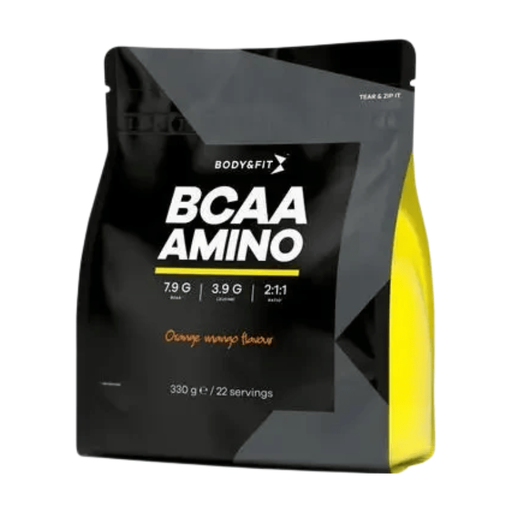
Why it’s a good fit for this group : a powder to mix with water that can be taken before, during or after exercise, depending on how your session goes.
The product page specifies 8 g of BCAA per serving, the 2:1:1 ratio and the amount of powder to mix.
A 330 g pack suitable for vegans and vegetarians, with flexible use around your workout.
We’ve put together a comprehensive list, updated in real time, of products that meet these strict selection criteria and comply with European safety regulations.
It depends on the formula, dosage and your goal. Packs often state the number of servings, but this isn’t medical advice on how long to use the product. Avoid combining several products that contain the same vitamins, minerals or stimulants. For iron, selenium or high-dose formulas, ask a healthcare professional for advice.
They’re no substitute for a varied diet, good hydration or rest. Sports supplements can, however, be a convenient way to meet a specific need: BCAA powder around a workout, a caffeine-containing pre-workout or a targeted intake of vitamins and minerals. Always compare the actual dosage with what you get from your diet and any other products you take.
Divide the price by the number of servings you’ll actually get. Also consider how many capsules you need to take each day, the maximum dose and any costs associated with the format. A bottle of 400 tablets may seem economical, but only if the dosage suits your needs and you can use it as directed.