
Livraison le jour même ou le lendemain

Qualité garantie

Débloquez vos offres de bienvenue: Livraison GRATUITE | Jusqu'à -80 % | 30 jours d'essai gratuits à JoyPlus
Téléchargez l'application
Dietary supplements now address a wide range of needs: everyday nutrition, sleep, beauty, digestion, menstrual comfort and sports performance. This broad selection makes it easier to find what you need, but it also increases the risk of buying a formula that does not suit your age, diet or lifestyle.
Before filling your basket, pay particular attention to these three common pitfalls:
Start by checking the amount actually provided per daily dose, then compare it with the NRV, or nutrient reference value, where applicable. This figure is far more meaningful than the product’s total weight.
Women’s and men’s multivitamins, for example, may have different formulations. Centrum Women’s Multivitamins and Minerals provides 13 vitamins and 10 minerals per tablet, including 10 mg of iron, 80 mg of vitamin C and 10 µg of vitamin D. The men’s formula contains, among other nutrients, 3.75 mg of iron, 120 mg of vitamin C and 120 mg of magnesium per tablet. These differences do not mean that one formula will necessarily suit everyone; they simply make it easier to check whether the product aligns with your needs and diet.
For targeted products, also examine the form and amount of the active ingredient:
Tablets, capsules, gummies, powders and sticks come with different practical considerations. Barley grass powder can easily be mixed into a drink, while gummies make supplementation more convenient but may also contain sugar or sweeteners.
To compare prices, calculate the daily cost using this simple formula:
Product price ÷ number of days of use = daily cost.
A few examples make the calculation clearer:
The duration stated on the packaging should always be considered alongside the recommended dosage. This is the best way to avoid underestimating your monthly budget.
Read the ingredient list, even when the product page displays claims such as “vegan”, “gluten-free” or “lactose-free”. An absence claim does not eliminate the need to check the formula carefully.
Here are the main points to consider depending on your profile:
Dietary supplements are not a substitute for a varied, balanced diet or a healthy lifestyle. If you are pregnant or breastfeeding, have a chronic condition, take medication or experience persistent symptoms, seek advice from a healthcare professional.
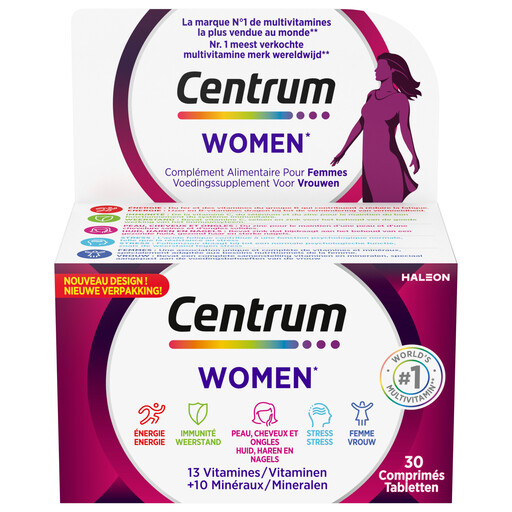
Why it suits this profile: Taking just one tablet a day may suit adults looking to establish a simple, structured nutritional routine.
The product page clearly states a dosage of one tablet per day and details the amount of each nutrient.
13 vitamins and 10 minerals, including 80 mg of vitamin C and 10 mg of iron per tablet. Contains soy.

Why it suits this profile: The liquid format in individual sticks is convenient for people who are often on the go or prefer to avoid powders.
The box contains 30 25 ml sticks and clearly states the daily dose, making it easy to calculate the duration of use.
12,500 mg of hydrolysed marine collagen per stick, with vitamin C, biotin, vitamin D and hyaluronic acid.
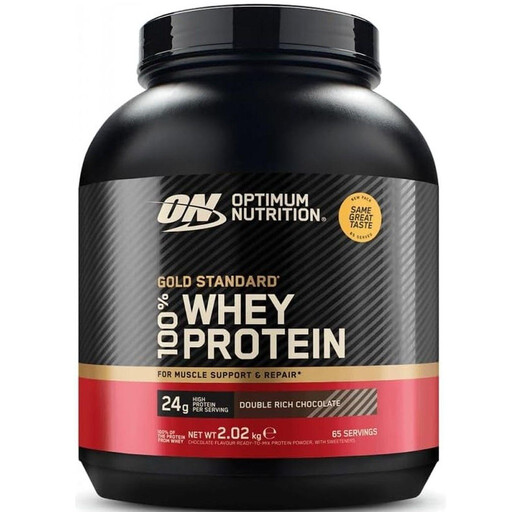
Why it suits this profile: The large format may be a practical choice for frequent use after training or between meals.
The 30 g serving is clearly detailed, and the product page states a maximum of three servings per day.
24 g of protein per serving, 116 kcal, 1.4 g of fat and 1.6 g of carbohydrates. Contains milk and soy.
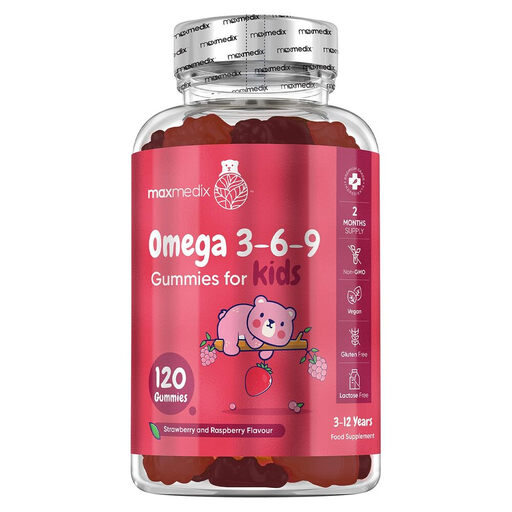
Why it suits this profile: The chewable texture and absence of fish oil may make it easier for some children to take.
The recommended age, dosage of two gummies and two-month supply are clearly stated.
400 mg of perilla oil per serving of two gummies, including 240 mg of ALA. Plant-based formula, gluten-free, lactose-free and dairy-free.
We have brought together an up-to-date selection of products that meet these criteria and the applicable safety requirements in France and the European Union.
It depends on the formula, dosage and your individual circumstances. Some products are designed for 10 days, while others are intended for 30 days or several months. Follow the label instructions and avoid combining several products that contain the same vitamins or minerals. For long-term use, seek advice from a healthcare professional.
They are primarily easier for some people to take, particularly those who find tablets difficult to swallow. However, they may contain sugar or sweeteners, or provide a different amount of the active ingredient per unit. Always compare the ingredients, the actual dose provided and the number of gummies to be taken.
Sometimes, but you should first identify duplicate ingredients and potential interactions. A multivitamin may already contain iron, zinc, vitamin D or biotin. Before combining melatonin, ashwagandha, iron, calcium or any other targeted product, check that it is compatible with your medication and medical history.