
Livraison le jour même ou le lendemain

Qualité garantie

Débloquez vos offres de bienvenue: Livraison GRATUITE | Jusqu'à -80 % | 30 jours d'essai gratuits à JoyPlus
Téléchargez l'application
A diary or notebook can quickly become a burden, run out of space or end up at the back of a drawer if it doesn’t suit your habits. A student won’t have the same needs as a professional who’s often on the move, a creative person or someone who wants to keep a personal journal.
Before you buy, it’s worth looking beyond the cover and considering a few practical points: the format, page layout, paper quality and accessories you’ll actually use.
An elegant cover doesn’t necessarily mean it’ll stand up to life in your bag. With regular use, corners can get damaged, pages can crease and the binding can become uncomfortable.
A hardback cover or PU imitation leather finish can provide extra protection. Do check the care instructions, though. Most of the models featured here should be kept away from moisture and cleaned with a soft cloth, without harsh products.
An A6 notebook slips easily into a bag or pocket, but has limited writing space. An undated A5 planner, on the other hand, gives you more room to organise projects, track goals or take detailed notes, though it takes up more space on your desk.
A 21 × 27 cm diary can be very practical for school or work thanks to its generous writing area, but is less convenient in a small bag. The right format depends on your journeys, how much weight you’re happy to carry and how much information you need to write down.
A weekly diary lets you see upcoming appointments and tasks at a glance. A daily diary offers more detail, but takes up more space and may leave many blank pages if your days aren’t very busy.
An undated planner is particularly useful if you’re starting a project at any time of year. It avoids wasting pages when several days or weeks go by without being used — a real advantage for study, personal goals or creative journalling.
Also check the number of sheets. An 80-sheet notebook has 160 pages, while an undated A5 planner with 112 sheets can offer 224 pages and help you stay organised for much longer.
The paper weight gives you an initial indication, but it isn’t enough to predict how every type of ink will behave. At 100 g/m², offset paper is generally thicker and more pleasant to write on than 70 g/m² paper, especially for daily notes and corrections.
If you use an erasable gel pen, check the nib size and erasing mechanism. Fine 0.5 mm nibs are ideal for writing in small boxes and adding precise notes. Their thermosensitive ink can be erased by friction, but should be used in accordance with the manufacturer’s recommendations and shouldn’t be considered permanent.
A notebook with an elastic closure and bookmark stays shut in your bag and helps you quickly find the last page you used. A notebook with a pen loop also saves you from having to search for your pen at the bottom of your bag. These little details are particularly useful for students, travellers and anyone who takes notes while out and about.
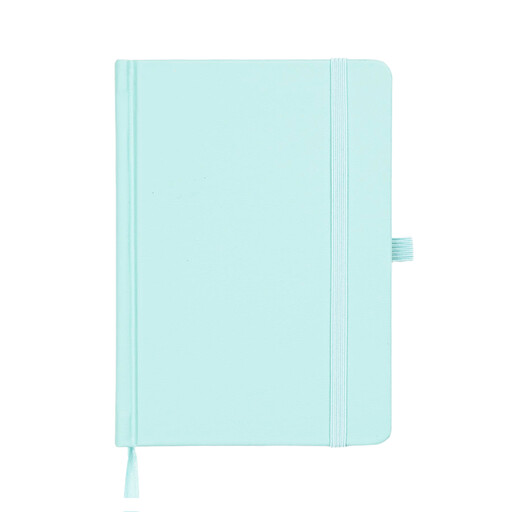
Why it’s a good match: Its A6 format is ideal for first lists, brief lecture notes and ideas you want to take with you wherever you go.
Its 160 lined pages and hardback cover mean it’s sturdier than a flimsy notebook. The elastic closure protects the pages while you’re on the move.
100 g/m² offset paper, ribbon bookmark and built-in pen loop.
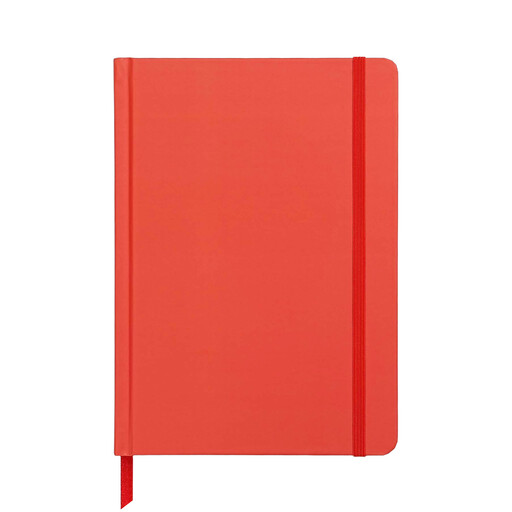
Why it’s a good match: Creatives, professionals and students can plan projects using the monthly and weekly layouts, as well as dedicated space for notes.
The undated format means you won’t waste pages if your planning routine changes from month to month.
A5 format, 224 pages, 100 g/m² offset paper and a hardback cover with an elastic closure.
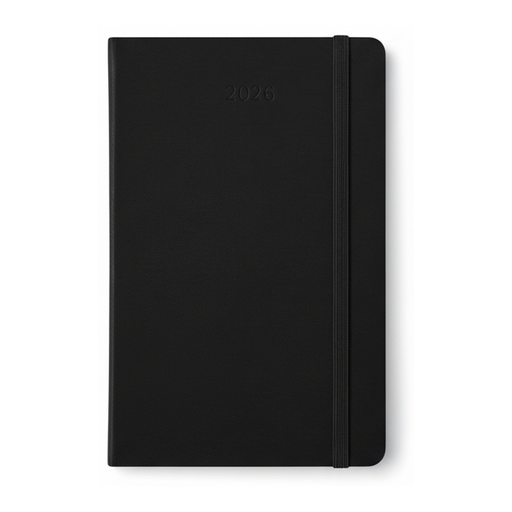
Why it’s a good match: Its horizontal layout works well for work diaries, project tracking and frequent travel.
Dedicated pages for travel, goals and ideas complement the weekly slots without making them feel cluttered.
70 g/m² ivory paper, elastic closure, bookmark, inner pocket and 180° lay-flat opening.
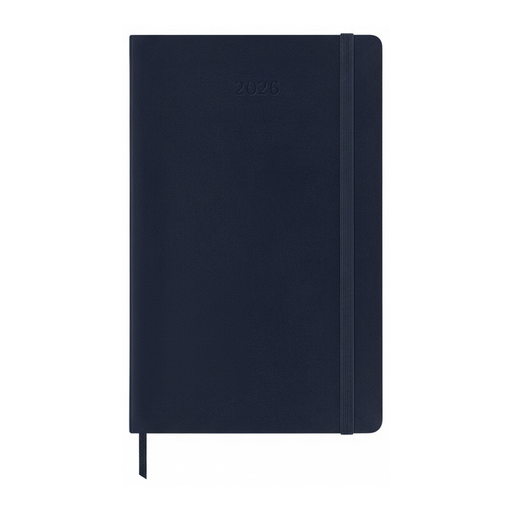
Why it’s a good match: A page for each day suits anyone who likes to set out appointments, tasks, notes and ideas in detail.
The daily layout means you won’t have to squeeze lots of information into a single weekly box.
Daily pages, sections for travel and goals, elastic closure and inner pocket.
We’ve put together a comprehensive selection, updated in real time, of products that meet these exacting criteria and European safety standards.
A6 is ideal for quick notes and taking with you on the go. For longer writing sessions, project planning or keeping a detailed journal, A5 gives you more comfortable writing space.
Yes, if your routine varies or you’re starting to get organised part-way through the year. Unused pages aren’t tied to fixed dates. A dated diary is still more convenient if you want to see appointments and deadlines at a glance.
Its lifespan depends on how often you handle it, how you carry it and how much moisture it’s exposed to. A hardback cover, elastic closure and storage in a dry place can help slow down wear and tear. To protect the paper and cover, keep it away from water, direct heat and harsh cleaning products.