
Livraison le jour même ou le lendemain

Qualité garantie

Débloquez vos offres de bienvenue: Livraison GRATUITE | Jusqu'à -80 % | 30 jours d'essai gratuits à JoyPlus
Téléchargez l'application
Choosing a diary seems simple… until it turns out to be too bulky, lacks enough space or ends up forgotten at the back of a drawer after a few weeks. Students, employees, entrepreneurs, creatives and frequent travellers all have different habits: a daily diary will not necessarily suit someone who organises their days by the week, while an undated planner is better suited to an irregular schedule.
So before placing your order, don’t focus solely on the appearance of the cover. Take a closer look at what’s inside: the layout, format and quality of the materials will make all the difference in everyday use.
An attractive cover immediately catches the eye, but it says nothing about readability or how much space there is to write. A weekly diary with boxes that are too narrow soon becomes frustrating if you need to fit in appointments, tasks and travel plans. Conversely, a very thick daily diary could turn your bag into a real suitcase.
A dated diary is designed for a specific period of use. If your habits or plans change during the year, some pages will remain unused. An undated diary or an 18-month planner lets you start whenever you like: a practical solution for personal projects, long-term goals or schedules that change frequently.
Descriptions such as ‘premium paper’, ‘durable’ or ‘practical format’ do not mean much without further information. Instead, check the paper weight, exact dimensions, cover type and accessories included. An elastic closure or bookmark can make a diary more enjoyable to use, but they will never make up for a layout that does not suit your needs.
An A5 diary, measuring approximately 14.8 × 21 cm, offers a good balance between writing space and portability. It is equally suitable for studying, hybrid working and managing personal projects. More discreet, a pocket-sized format slips easily into a bag or briefcase, but naturally leaves less room for notes.
Larger models, such as some school diaries measuring 21 × 27 cm, offer a more comfortable layout for lessons, timetables and multiple activities. However, their size becomes noticeable when you need to carry them around.
The right layout depends above all on how you organise yourself:
If you want to track your goals, choose models with pages dedicated to projects, ideas or reviews. A separate notes section also helps prevent every calendar box from becoming a battleground.
Paper weight refers to the weight of the paper per square metre. At 100 g/m², paper is generally thicker than 70 g/m² paper. It can provide a more pleasant writing experience and withstand repeated use more effectively. Nevertheless, remember to check that it is compatible with your pen, especially if you use very runny ink.
A hardback diary will offer better protection for the pages in a bag, while a soft cover is usually lighter and easier to handle. The elastic keeps the notebook closed, while the bookmark helps you quickly find the right page. These are particularly useful details when you refer to your diary several times a day.
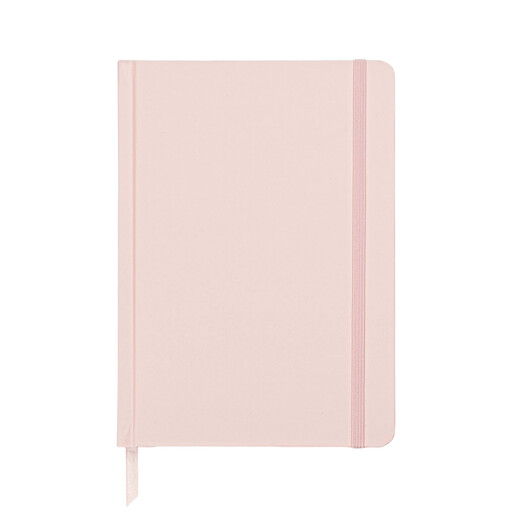
Why this choice suits this profile : Thanks to its A5 format and undated layout, this model can be started immediately, whether for work, studying or personal organisation.
The undated layout prevents pages from being wasted and lets you choose a diary for how you will actually use it, rather than simply for its appearance.
Hardback cover, 112 sheets of 100 g/m² ivory offset paper, undated monthly and weekly views, elastic closure and bookmark.
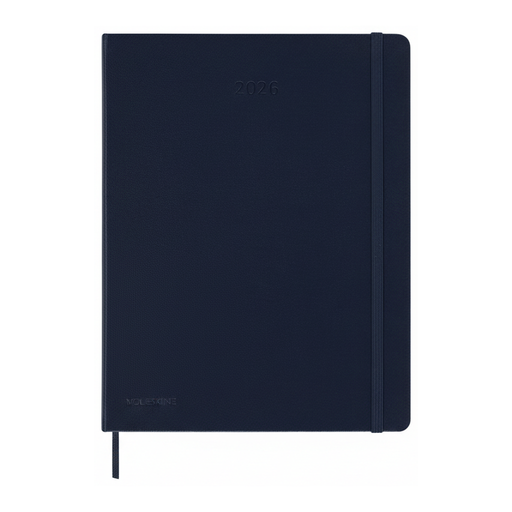
Why this choice suits this profile : Its XL format and additional pages are ideal for anyone who wants to bring together work planning, projects, ideas and travel in a single notebook.
The weekly layout, complemented by a notes section, provides a structured overview without requiring a whole page for each day.
Hardback cover, 70 g/m² ivory paper from FSC-certified sources, elastic closure, bookmark, inner pocket and pages dedicated to goals.
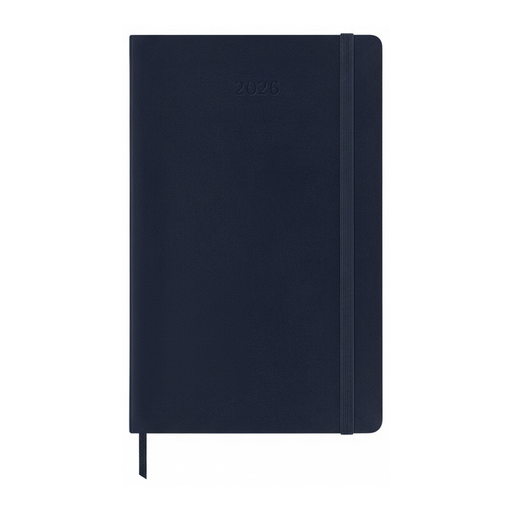
Why this choice suits this profile : One page per day is ideal for packed professional schedules, logbooks, detailed lists and people who regularly take notes.
The dedicated space for each day reduces the risk of overcrowded boxes, a common problem with very compact weekly diaries.
One page per day, sections dedicated to the calendar, travel, goals and ideas, soft cover, elastic closure, bookmark and inner pocket.
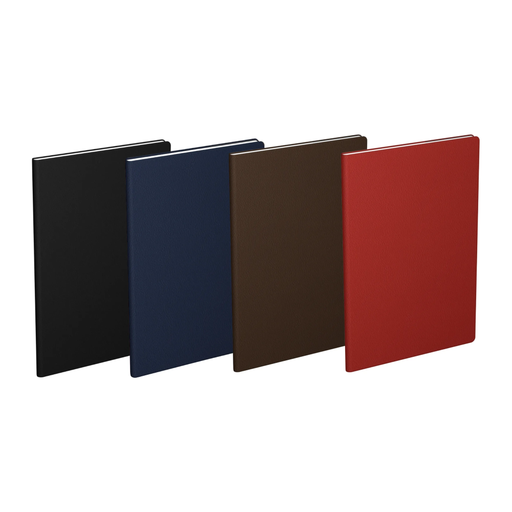
Why this choice suits this profile : Its large weekly format meets the needs of pupils, students and anyone who wants to see several activities on the same double-page spread.
The 21 × 27 cm format means you do not have to squeeze timetables and tasks into tiny, difficult-to-read boxes.
PVC cover, weekly layout, 26 to 27 weeks and generous writing space.
Discover our complete, real-time updated selection of products that meet these exacting criteria and European safety standards.
To prevent it from ending up at the back of a drawer, give each section a clear purpose:
A diary does not necessarily replace digital tools. It can complement them perfectly by providing a visual way to keep track of your priorities, meetings and personal activities.
The A5 format suits most professional uses thanks to its good balance between size and writing space. If you have back-to-back meetings or need to detail several projects, an XL format will be more comfortable to use. However, remember to check its weight and dimensions against the size of your bag.
It depends entirely on how often you use it and how many pages you fill in. An undated model can be used over a more flexible period, since weeks when you do not use it are not wasted. Simply add the dates as you go and protect it from damp.
A traditional diary generally focuses on dates, appointments and tasks. A planner often includes additional pages for tracking goals, projects, ideas or notes. The choice therefore depends less on the term used than on the layout actually provided inside.