
Livraison le jour même ou le lendemain

Qualité garantie

Débloquez vos offres de bienvenue: Livraison GRATUITE | Jusqu'à -80 % | 30 jours d'essai gratuits à JoyPlus
Téléchargez l'application
The check engine light comes on, and a wave of anxiety washes over you, quickly followed by the fear of a hefty garage bill. Whether you're a seasoned mechanic, a passionate DIY enthusiast, or simply a car owner looking to take back control of your vehicle's maintenance, a diagnostic scanner has become an essential tool.
However, the market is saturated with often misleading marketing promises. Before you invest, it's crucial to know how to avoid the most common pitfalls that can turn a promising purchase into a costly disappointment.
To select a car diagnostic tool that truly fits your needs, focus on a few non-negotiable technical features.
A basic OBD2 scanner only reads and clears error codes from the engine control unit (ECU). A true diagnostic tool must offer full-system diagnostics. This means it should be able to access and analyze data from essential modules such as:
This capability is essential for accurately identifying the source of a fault and avoiding unnecessary parts replacement.
For more demanding users, two functions transform a simple reader into a powerful repair tool:
Most modern tools offer a wireless connection. A Bluetooth car diagnostic tool provides great flexibility for working around the vehicle with a smartphone or tablet. However, compatibility with CAN FD and DoIP protocols is the true measure of longevity. Without them, your investment may not cover the vehicles you or your customers will own tomorrow.
Rather than an endless list, we've matched specific products to clear user profiles, based on the essential criteria defined above.
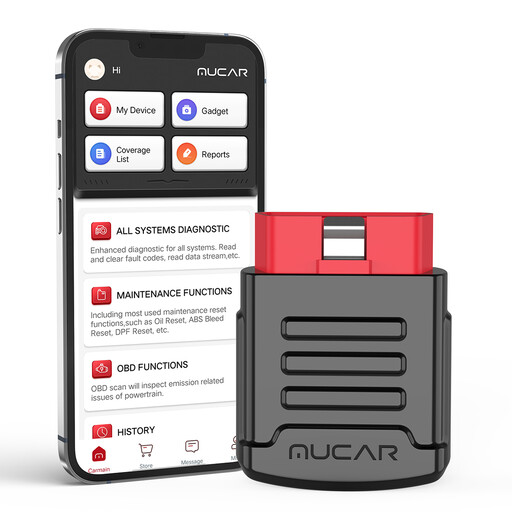
Why it's the right choice: Ideal for the car owner who wants to perform basic maintenance (oil changes, brakes) and understand why a warning light is on. This Bluetooth dongle connects to a smartphone and offers a simple interface for common diagnostics.
It offers full-system diagnostics for free, for life. Only the 15 reset functions are limited to one year, but essential diagnostics remain accessible without additional fees.
An excellent price-to-performance ratio for personal use. The lifetime full-system diagnostics is a major asset at this price point.
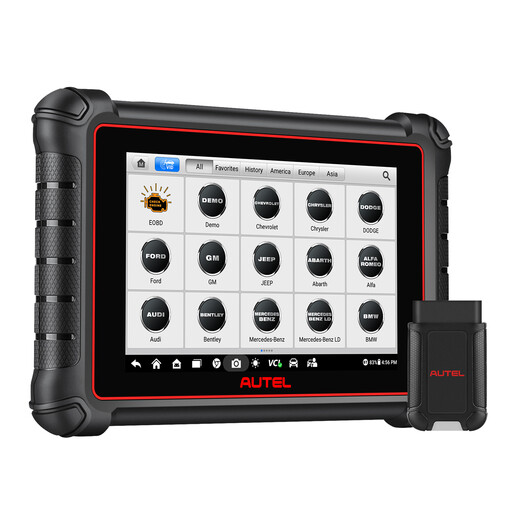
Why it's the right choice: For those who go beyond simple code reading. This tablet offers full bi-directional control and over 40 services for in-depth diagnostics and repairs on a vast range of vehicles.
It natively integrates CAN FD and DoIP protocols, ensuring long-term compatibility with the latest vehicles without needing costly extra adapters.
OE-level (Original Equipment) diagnostics and powerful active test functions in an intuitive and responsive wireless tablet interface.
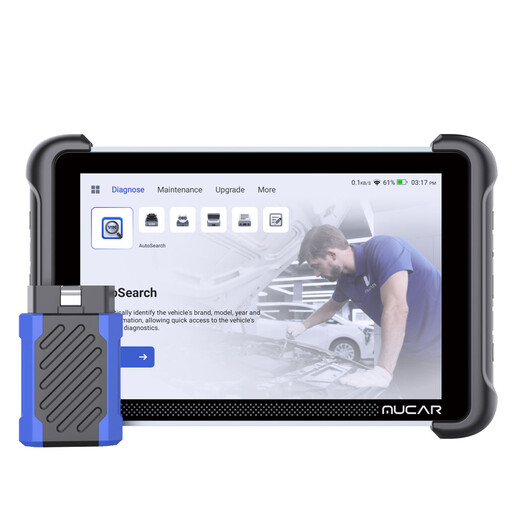
Why it's the right choice: A complete solution for garages and independent technicians. ECU coding, bi-directional control, CAN-FD/DoIP compatibility, and the ability to add modules (endoscope, battery tester) make it a versatile work tool.
Its main selling point is free lifetime updates. This completely eliminates the annual subscription trap, ensuring a controlled cost of ownership and maximum profitability for a professional.
Free lifetime updates, extensive coverage of over 100,000 models, and a robust hardware design with a convenient magnetic VCI interface.
We have compiled a complete and up-to-date list of products that meet these strict selection criteria and current regulations.
When used correctly, a diagnostic tool from a reputable brand is safe. It only reads information provided by the vehicle's computers. The risk, although low, arises when using advanced functions like ECU coding without fully understanding the procedure. Our advice: always follow the instructions and only modify parameters if you are certain of what you are doing.
Updates are essential to ensure compatibility with new vehicle models and to benefit from new features. The business model varies: some tools require a paid annual subscription to maintain all their functions, while others, like some models in our selection, offer free lifetime updates or allow continued use of the existing software even after the free update period ends.
It depends on your use case. A Bluetooth car diagnostic adapter is compact, affordable, and sufficient for basic diagnostics and resets via a smartphone. A dedicated tablet offers greater reading comfort, superior processing power, and a more stable interface for complex diagnostics, bi-directional control, and coding, making it better suited for intensive or professional use.