Fans of spicy, full-bodied flavours
If you’re after a flavourful cup without adding sugar, compare ginger, lemon and turmeric blends, and check how much ginger they contain. A strong flavour doesn’t indicate a potential medical effect.


When choosing a full-flavoured infusion as part of diabetes-conscious shopping, start by comparing the ingredients and, for a ready-to-drink beverage, the ‘sugars’ per 100 ml. Then choose according to the flavour you’re looking for: ginger and lemon for a spicy note, or hibiscus and fruit for a tangy one. An infusion made with water and no added sugar is not the same as a drink labelled ‘no added sugars’, which may contain sugars naturally present in juices.
If you’re after a flavourful cup without adding sugar, compare ginger, lemon and turmeric blends, and check how much ginger they contain. A strong flavour doesn’t indicate a potential medical effect.
Tea bags designed for cold water are an easy way to add flavour to a water bottle. Check the details for each recipe, especially the information about sugars and caffeine, as well as the stated volume of water.
If you’re comparing a tea bag infusion with a ready-to-drink beverage, check for any juices and read the nutritional information. For herbal blends, also read the warnings, particularly if they contain liquorice.
First decide whether you want to brew a cup, fill a water bottle or open a ready-to-drink beverage: each format needs to be checked in a different way.
Worth considering: if you want to brew your own cup with herbal or spicy notes, without adding sugar.
Keep in mind: ‘full-bodied’ isn’t a standard measure across recipes; how you brew it and which plants are used also matter.
Worth considering: if you’d rather prepare a bottle of flavoured cold water.
Keep in mind: a fruity or tangy recipe may not satisfy a craving for a hot, spicy cup.
Worth considering: if convenience is your priority, after checking the ingredients.
Keep in mind: ‘no added sugars’ doesn’t mean ‘sugar-free’ if a recipe contains, for example, juices.
| Criteria | What to check | Who is it for? |
|---|---|---|
| Sugars | For a packaged drink, compare the ingredients and sugars per 100 ml; for a tea bag infusion, consider what you add to the water. | If I want to limit added sugar in my cup, I should also distinguish between an infusion made with water and a drink containing juices. Around 36% of consumers put checking sugars at the top of their list. |
| Strong flavour | Look for ingredients that match your preferences, then follow the brewing instructions; their proportions are not a universal measure of intensity. | To avoid a drink that might taste too mild without sweetening it, I look for spicy or tangy notes. Taste is the top priority for around 29% of consumers. |
| Cold format | Check that the tea bag is intended for cold water, and follow the stated water volume and brewing time. | When I’m preparing a bottle to take with me, the preparation method matters more to me than making a hot cup. Around 21% of consumers prioritise this format. |
| Plants and warnings | Read the list of plants, checking in particular for liquorice, as well as the warnings for the product you choose. | If a plant could be a concern given my circumstances or medication, I’d rather check the recipe before considering its flavour. Around 14% of consumers make this their top priority. |
A ready-to-drink beverage may contain juices and their naturally occurring sugars, even if no sugars have been added. This is noted, for example, on the product page for a Herbalist drink sold at Carrefour.
Compare the ingredients list and the ‘sugars’ per 100 ml, rather than relying solely on the claim on the front of the pack.
A full-bodied flavour is a matter of taste: the proportion of ginger describes the recipe, but it doesn’t rank all infusions on the same scale.
Start by choosing the plants and flavours you enjoy, then prepare the drink using the stated water volume and brewing time.
Some recipes contain liquorice. Anses highlights risks associated with high, repeated consumption, as well as possible interactions with certain medicines.
Check the pack for liquorice and any warnings. If you have high blood pressure, take medication or are considering drinking it regularly, ask a healthcare professional for advice.
The range of cold-infusion tea bags is aimed at people who would rather prepare a bottle of flavoured water than buy a ready-to-drink beverage.
The cold-infusion range includes a ginger and lemon blend for those who enjoy these flavours.
Twinings offers herbal and fruit infusions under different range names, including ‘digestion’, ‘relaxation’ and ‘sleep’.
This own-label brand offers several tea bag infusion recipes made with herbs or fruit.
This selection includes tea bags for making flavoured cold water and infusions for a cup with ginger or lemon notes. Compare each recipe based on the flavour you want, how it’s prepared and the information on its packaging.
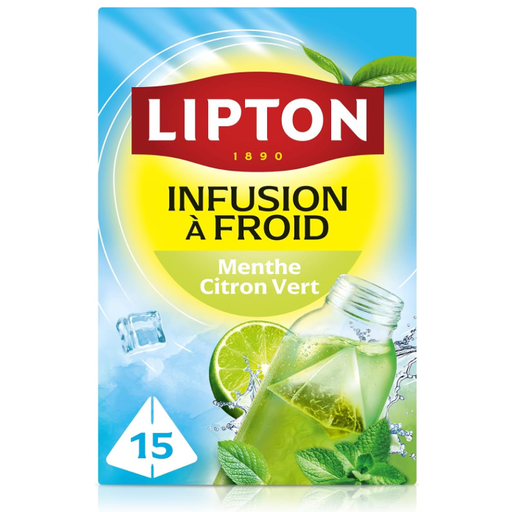 Image unavailable
An option to compare if you’d like to flavour cold water with notes of mint and lime. Check the pack for brewing instructions and information about sugars; this flavour profile alone doesn’t guarantee a taste you’ll find full-bodied.
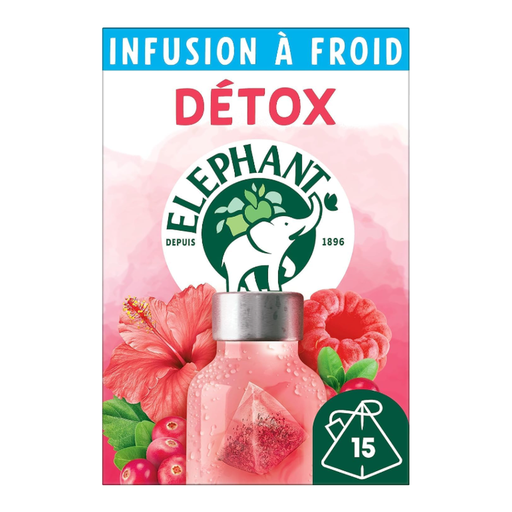 Image unavailable
Worth considering if you’re looking for a cold-brew infusion rather than a ready-to-drink beverage. Compare the ingredients, the ‘sugars’ line and the brewing instructions on the pack; ‘Detox’ is part of the product name and does not establish a health effect.
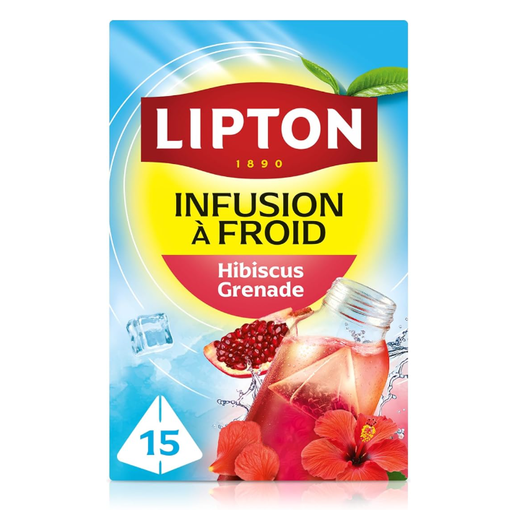 Image unavailable
Compare this if you prefer a cold infusion with hibiscus and pomegranate notes to a spicy flavour profile. Check the label for ingredients, sugars and brewing instructions; the flavour name doesn’t tell you how intense the drink will be.
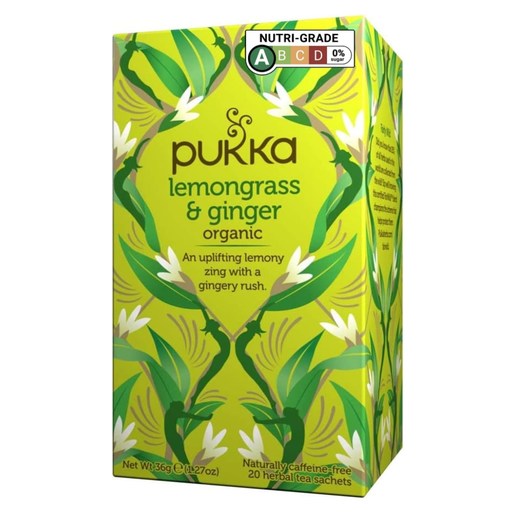 Image unavailable
Worth considering for a cup with lemongrass and ginger notes, prepared without added sugar if that’s what you prefer. Read the ingredients and warnings, particularly those relating to liquorice, along with the nutritional information for this product.
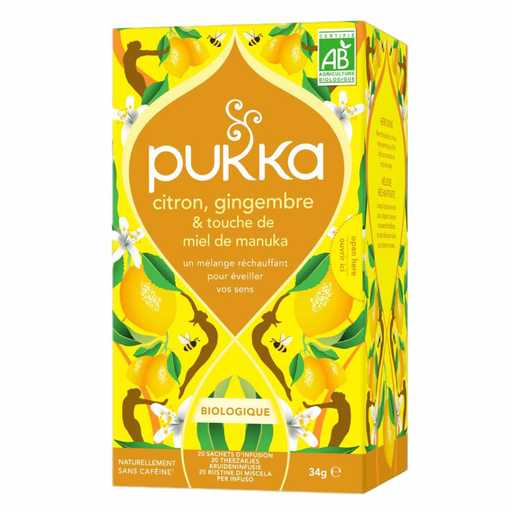 Image unavailable
Compare this if you’re looking for a cup with lemon and ginger notes. The word ‘Honey’ is a prompt to check the ingredients and sugars on the label; also read any plant-related warnings before drinking it regularly.
No. You need to consider the drink as you prepare or buy it, including its ingredients and sugars. French Health Insurance reminds people that a diabetes-related diet should be tailored to individual needs; an infusion is no substitute for ongoing care or personalised advice.
Not necessarily: it may contain naturally occurring sugars, including those in fruit juices. To compare it with an infusion made with water, check the ingredients and the sugar content per 100 ml.
Start with the flavours you’d like in your cup, such as ginger and lemon for a spicy note, then follow the brewing instructions. An ingredient percentage can help you compare recipes, but it can’t predict on its own how intense the flavour will seem to you.
Not necessarily, but it’s worth checking carefully for liquorice and reading any warnings. Anses highlights risks associated with high, repeated consumption, as well as possible interactions with certain medicines. If you have high blood pressure, take medication or have concerns about drinking it regularly, ask a healthcare professional for advice.
A review published by Anses in 2015 found no demonstrated benefit of high-intensity sweeteners for blood glucose control in people with diabetes. So a ‘sweetened’ label is no reason to skip reading the full ingredients list or following personalised dietary advice.