
Livraison le jour même ou le lendemain

Qualité garantie

Débloquez vos offres de bienvenue: Livraison GRATUITE | Jusqu'à -80 % | 30 jours d'essai gratuits à JoyPlus
Téléchargez l'application
Detox products cater to a wide range of needs: purifying your hair, cleansing your skin, replacing a sugary drink, or simply complementing a wellness routine. However, this variety can make choosing the right one tricky. A promise of “detoxification” doesn’t necessarily mean a product will suit your skin type, your scalp, or your dietary habits.
That’s why the Joybuy Product Recommendation Officer’s selection is based on concrete criteria: ingredients, frequency of use, format, precautions, and compatibility with your daily life.
A detox shampoo or a face mask can help remove excess sebum, styling product residue, and surface impurities. However, it cannot replace a dermatological treatment and doesn’t affect the body’s natural functions.
Similarly, a detox infusion is primarily a way to vary your drinks and support good hydration. Claims about digestion, drainage, or elimination should be taken with a pinch of salt.
A “stripping” sensation isn’t necessarily a sign that a product is effective. Sulphates, fragrances, essential oils, acids, or clay may not suit everyone. A sensitive scalp can react to a purifying shampoo used too often, while dry skin may feel tight after a clay mask.
A detox food supplement, foot patches, or activated charcoal aren’t used in the same way as a skincare product. The dosage, treatment duration, and warnings on the packaging must be followed. When taken orally, activated charcoal can reduce the absorption of certain medications or supplements. If you’re on any treatment, ask your pharmacist for advice.
Start by defining your main goal:
Claims like “95% natural origin” or “98% natural origin” indicate a proportion of ingredients calculated according to the brand’s own definition. They don’t, however, guarantee the absence of fragrance or preservatives. For cosmetics, always consult the INCI list.
A silicone-free product may suit those looking for a lighter feel, but this criterion alone isn’t enough to judge a formula’s overall quality. If your skin is reactive, test the product on a small area and stop using it if you experience redness or irritation.
A 250 ml or 300 ml bottle shouldn’t be compared on price alone. Consider how often you’ll use it:
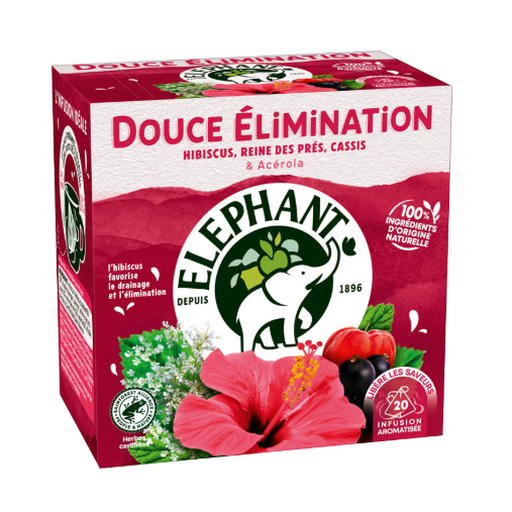
Why this choice suits this profile: With its 20 pyramid tea bags, this infusion fits easily into your daily routine, with no special equipment or complicated preparation. Simply steep one bag in 200 ml of hot water for 4 to 5 minutes.
The ingredients and preparation method are clearly stated. This is a flavoured drink made from plants and fruit, not a promise of instant transformation.
The brand states 100% naturally derived ingredients. Some of the plants are also Rainforest Alliance certified, according to the product listing.
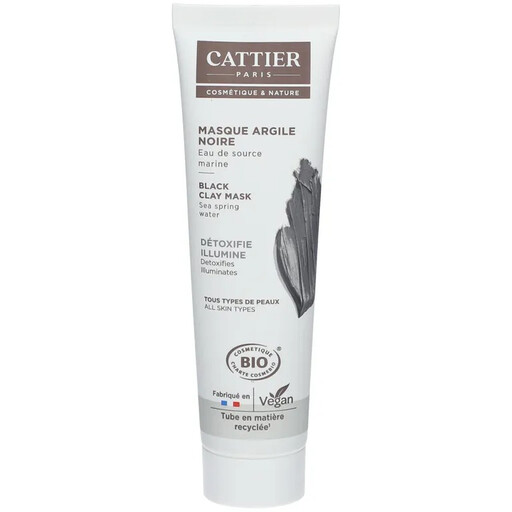
Why this choice suits this profile: This mask is ideal for a purifying skincare ritual that prioritises a creamy texture and a detailed ingredient list. It contains 38% black clay along with organic aloe vera.
The recommended frequency is limited to one or two applications per week, which prevents overdoing intensive cleansing.
The formula is stated to be vegan. The tube is recyclable and contains sunflower oil and aloe vera, which complement the clay’s action.
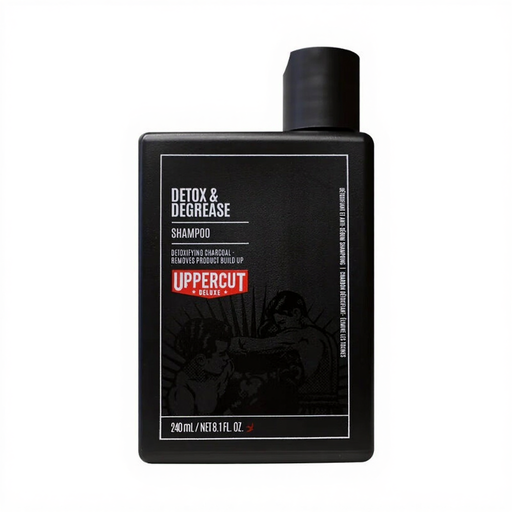
Why this choice suits this profile: People who regularly use wax, pomade, or other styling products may need a more targeted cleanse for their scalp and hair lengths.
The listing recommends one to two uses per week, rather than daily use. The purifying shampoo can therefore be reserved for times when styling products build up.
The formula contains bamboo charcoal, activated charcoal, and salicylic acid. A conditioner is recommended after rinsing.
We’ve put together a comprehensive, real-time updated list of products that meet these strict selection criteria and European safety regulations.
Capsules of activated charcoal, milk thistle, spirulina, or chlorella involve a different approach to cosmetics. Check the dose per serving, the number of doses, any age restrictions, and warnings. A claim like “2000 mg per serving” should be considered alongside the recommended number of capsules.
Food supplements are not a substitute for a varied, balanced diet. If you are pregnant, breastfeeding, have a chronic condition, or are taking medication, it’s best to seek medical or pharmaceutical advice before purchasing.
Both terms usually refer to a deeper cleanse. A purifying shampoo generally targets excess sebum and scalp impurities. A detox shampoo may also tackle styling product residue or pollution particles. The ingredient list and recommended frequency of use matter more than the name on the bottle.
Not necessarily. A gentle shampoo for normal hair can be used as needed, whereas a clarifying product or a clay mask is usually reserved for one or two applications per week. Follow the manufacturer’s instructions and space out uses if your scalp or skin becomes dry, uncomfortable, or irritated.
A sugar-free detox infusion can easily become part of your daily hydration routine. For skin and hair, choose a treatment suited to your skin or scalp type. Food supplements and activated charcoal require more caution: follow the instructions on the label and take any ongoing treatments into account.