
Livraison le jour même ou le lendemain

Qualité garantie

Débloquez vos offres de bienvenue: Livraison GRATUITE | Jusqu'à -80 % | 30 jours d'essai gratuits à JoyPlus
Téléchargez l'application
Dry hair, split ends, greasy roots or blonde hair turning yellow: choosing the right Dessange hair care isn't about picking the prettiest packaging. An effective routine starts with a simple diagnosis of your needs, then checking the formula, how to use it, and whether it suits your habits.
A treatment for dry hair primarily provides comfort, softness and a smoother-feeling fibre. A product designed for damaged hair may also contain proteins, amino acids or film-forming agents to improve the fibre's appearance. That doesn't mean it permanently repairs it. When ends are very split, scissors are sometimes the best solution.
A nourishing Dessange mask is generally formulated for the lengths and ends. Applying it to the scalp risks weighing your hair down and needing to wash it more often. If your roots get greasy quickly while your ends are dry, choose a shampoo suited to your scalp and keep the mask for the areas that really need it.
Claims like "more nourished", "more shiny" or "less breakage" may be based on a very specific testing protocol. When a figure is stated, check whether it comes from an instrumental test, under what conditions it was obtained, and whether it applies to the whole range. Results can vary depending on porosity, length, colour treatment and frequency of use.
For simply dry hair, a formula containing emollients and moisturisers may be enough. For a treatment designed for very dry hair, go for a richer texture and use it sparingly, especially if the formula contains oils or conditioning complexes. The Nutri-Extreme mask for very dry hair contains linseed oil and peptides, according to the product description. The brand states an instrumental measurement taken after using the shampoo, mask and leave-in treatment from the range together – so you can't automatically apply that result to using the mask alone.
For hair sensitised by bleaching, blow-drying or heat styling, the Kératine Morphose routine can be complemented with a heat-protectant serum. The aim is to improve the feel, tame the fibre and limit its direct exposure to heat.
The amount matters just as much as the formula. Too much silicone, oil or conditioning agents can leave hair feeling flat, especially if the fibre is fine.
If you often use a hairdryer, straighteners or a hot brush, apply a product that claims heat protection before styling. The Hydra Brush serum is presented as a leave-in treatment to apply to damp or dry hair, using two to three pumps on the lengths and ends. In any case, read the label and adjust the temperature on your appliance to suit both the device and your hair type.
Positioned as a premium hairdryer, the Dyson Supersonic Nural HD16 boasts a stated power of 1,600 W, four heat settings, three speed settings, a cool shot button and five attachments. The model on offer comes with a British plug: in France, check the plug compatibility and use a suitable adaptor without modifying the appliance.
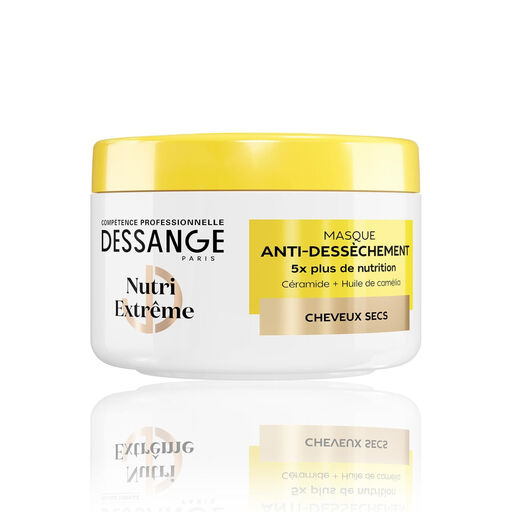
Why this choice suits this profile: A mask to use after shampooing, once or twice a week, to start a simple routine for dry, dull hair.
Its targeted application on the lengths prevents greasy roots. The recommended leave-in time is 5 minutes.
A 280 ml format, with camellia oil and a ceramide complex mentioned in the ingredients.
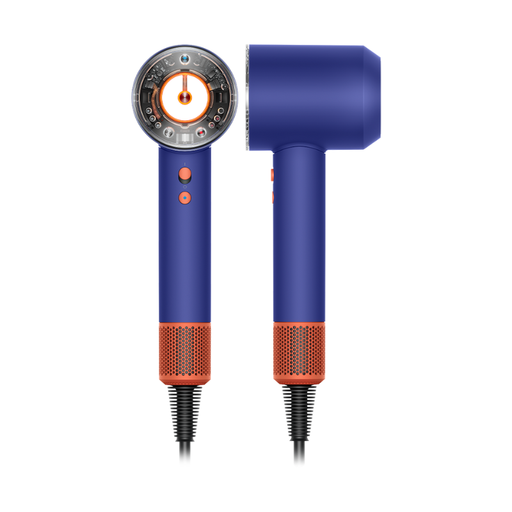
Why this choice suits this profile: For those who often blow-dry their hair and want to precisely adjust the speed, temperature and attachment used.
The separate settings prevent applying maximum heat to all hair types. However, the British plug should be checked before purchase.
A stated power of 1,600 W, a 2.6 m cable and five attachments included.
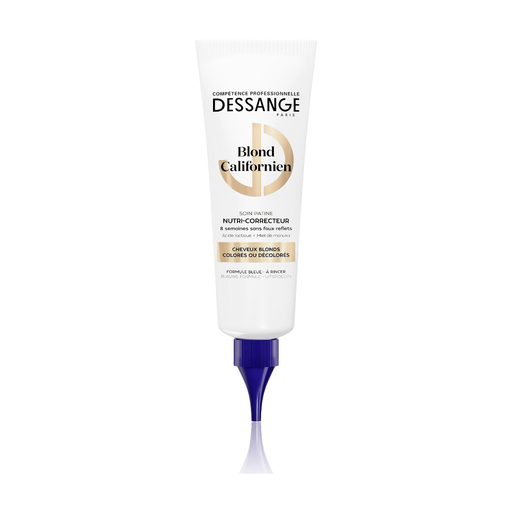
Why this choice suits this profile: For bleached, highlighted or coloured blonde hair that is turning yellow or orange.
Use is limited to once a week, with a leave-in time of 5 to 10 minutes. Wearing gloves is recommended.
The product description mentions a blue pigment, lactic acid and Manuka honey.
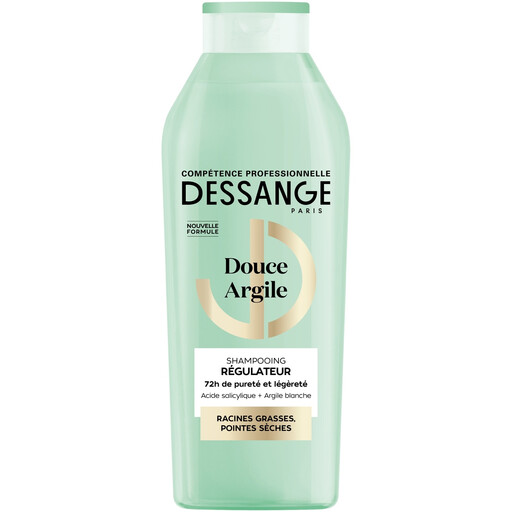
Why this choice suits this profile: For those looking for a shampoo suited to greasy roots and dry ends, without multiplying products on the scalp.
It targets the roots while taking the lengths into account. The formula mentions the presence of white clay and salicylic acid.
A 280 ml format and application directly onto wet hair, followed by a massage then rinsing.
We've put together a comprehensive, real-time updated list of products that meet these strict selection criteria and the requirements of European safety regulations.
Start with a gentle shampoo, then apply a Nutri-Extreme mask to the lengths and ends. If your hair is still difficult to detangle, add a leave-in treatment. Adjust the amount to the thickness and porosity of your hair.
Follow the instructions on the label. The masks shown here generally recommend a short leave-in time, often between 3 and 5 minutes. One to two applications per week may suit dry or damaged hair. On fine hair, it's best to start with a small amount.
Close bottles carefully, avoid letting water get into the pots, and store your products away from heat and sunlight. Check the ingredient list on the packaging, as it may change, and stop using if irritation occurs. For an electrical appliance, clean the air inlets regularly and store it unplugged once it has cooled down.