
Livraison le jour même ou le lendemain

Qualité garantie

Débloquez vos offres de bienvenue: Livraison GRATUITE | Jusqu'à -80 % | 30 jours d'essai gratuits à JoyPlus
Téléchargez l'application
A cluttered desk isn’t necessarily too small. The problem often comes from poorly suited storage, documents filed without a system, or accessories that become a hassle to use day to day. Whether you’re a private individual, a student, a remote worker, or running a small business, choosing desk storage should be based on how you use it, the space you have, and the volume of documents you need to keep.
A desk organiser with lots of sections isn’t always practical. Compartments that are too narrow might hold a few sheets of paper, but not a ring binder, an A4 document wallet, or a well-stuffed folder. Always check the usable dimensions, especially if you plan to store A4 files.
A storage unit might feel sturdy when empty, then warp once it’s loaded. Drawers, shelves, and the worktop should each be examined separately. For a rolling filing cabinet, also check for brakes and the quality of the castors if you intend to move it around regularly.
A document sorter or a letter tray makes papers easy to access, but doesn’t necessarily protect them from damp, heat, or a household accident. Important administrative documents may need a protective wallet or a fireproof document bag, kept somewhere you can reach quickly.
A4 paper measures 21 × 29.7 cm. Storage designed only for flat sheets may be too narrow for wallets or punched documents. Products in A4XL size give you more margin around the sheets and reduce the risk of creasing.
For everyday use, an effective organisation system can combine:
Plastic, polypropylene, painted metal, and melamine panels all serve different needs. Lightweight and easy to clean, plastic works well for everyday accessories. Rigid polypropylene is particularly suited to ring binders and boxes you carry around. Metal offers a stable structure, but must be kept away from persistent damp. Melamine panels are easy to wipe clean, as long as you don’t let water sit on the edges.
Product listings should also detail usage precautions. Wall-mounted storage needs fixings suited to your wall type, while a tall cabinet may need to be secured with an anti-tip device.
A mobile cabinet fits easily into a shared space or a workshop whose layout changes regularly. Castors with brakes let you move the unit, then hold it firmly in place. For confidential files, it’s better to choose a lockable model rather than a simple open drawer.
Finally, keep the documents you use every day within easy reach. Archives and spare stationery can be stored lower down or in a metal office cabinet. This kind of organisation cuts down on unnecessary handling and makes filing much easier to maintain.
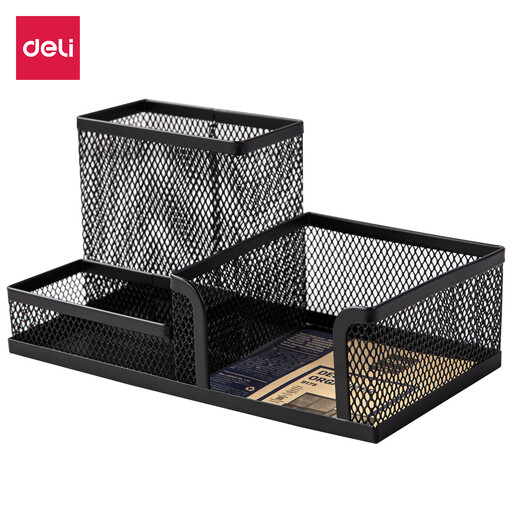
Why this choice suits this profile: Its many compartments let you gather pens, scissors, rulers, sticky notes, and small accessories on a student’s or remote worker’s desk, with no assembly required.
This storage is aimed at small stationery items, not bulky files, so you won’t overestimate its capacity.
A plastic structure, multiple compartments, and a compact format to keep everyday accessories within reach.
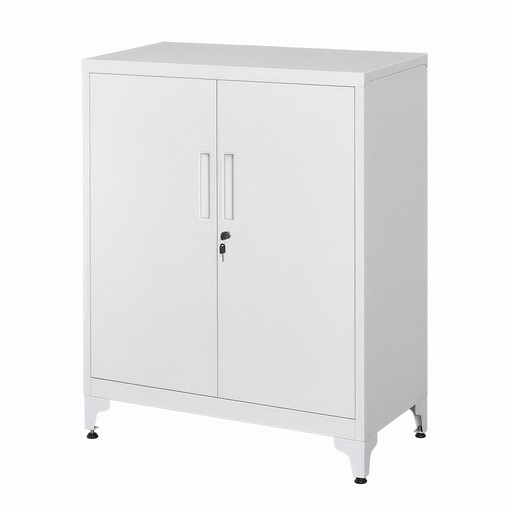
Why this choice suits this profile: This metal office cabinet is ideal for spaces that need generous capacity, a sleek look, and controlled access.
Its two adjustable shelves and lock prevent you from ending up with a fixed unit that can’t adapt to different file sizes.
Dimensions of 80 × 40 × 90 cm, a stated load capacity of 25 kg per shelf, and an anti-tip kit included.
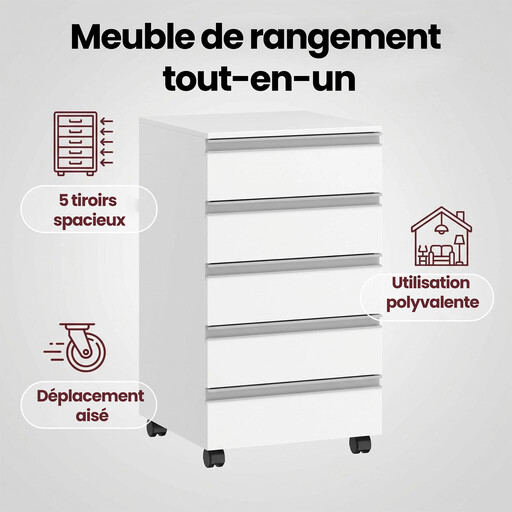
Why this choice suits this profile: Its five drawers and top surface are ideal for workshops, studios, and offices where you regularly handle files, tools, samples, or supplies.
The stated dimensions and maximum load of 50 kg give you concrete benchmarks, rather than a vague promise of large capacity.
A size of approximately 40 × 40 × 70 cm, 360-degree swivel castors, and two front wheels with brakes.
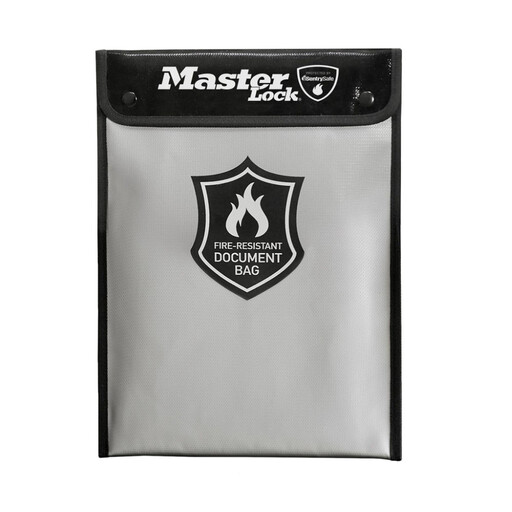
Why this choice suits this profile: This bag lets you gather important papers, ID documents, digital media, or small items that you need to grab quickly in an emergency.
It doesn’t replace a secure cabinet; it meets a specific need for transporting and gathering sensitive documents.
A four-layer construction, silicone coating, zip closure, and press stud, in a 38 × 28 cm format.
We’ve compiled a full, real-time selection of products that meet these demanding criteria and comply with European safety regulations.
Start by using the available height with wall-mounted document storage or a vertical shelf. Keep only the accessories you use every day on your desk surface, then place current folders in a letter tray or sorter. Documents you rarely consult can go in a closed cabinet.
An A4 document wallet, a ring binder, or punched pockets are fine for everyday filing. OXFORD A4XL dividers have nine holes compatible with French ring binders and can hold around 25 sheets per pocket, according to the product listing. If the volume grows, a cabinet or filing unit will offer more comfortable capacity.
Avoid overfilling drawers beyond their capacity and distribute the weight across different levels. Clean surfaces with a soft cloth, regularly check the screws on self-assembly furniture, and use the brakes when mobile cabinets are parked. For wall-mounted storage, periodically check the fixings and use wall plugs suited to your wall type.