
Livraison le jour même ou le lendemain

Qualité garantie

Débloquez vos offres de bienvenue: Livraison GRATUITE | Jusqu'à -80 % | 30 jours d'essai gratuits à JoyPlus
Téléchargez l'application
A cluttered desk is the fastest way to undermine your focus and efficiency. And with a jungle of available options, choosing the right desk organiser can quickly become a daunting task. Many models look promising in photos but prove disappointing in practice. To help you cut through the noise, we've broken down the common pitfalls to avoid and the essential criteria to check before you buy.
The goal isn't just to clear some space, but to design a workspace that is both functional and inspiring. Be careful, however, as a few classic traps can turn a good investment into a purchase you'll instantly regret.
To avoid falling into these traps, a quick analysis of a few key points is essential. They will help you objectively assess whether a product will truly stand the test of time.
The choice of material is crucial: it determines your organiser's lifespan, maintenance, and, of course, its style.
Before you commit, get out your tape measure! Take the time to measure the available space on your desk and assess the volume of the items you need to store.
Think about your daily use. Do you need to store a myriad of small desk accessories like paper clips and staples? Or rather documents, notebooks, and electronic devices?
Keeping these criteria in mind, here are a few products that stand out for their intelligent design, created for different user profiles.
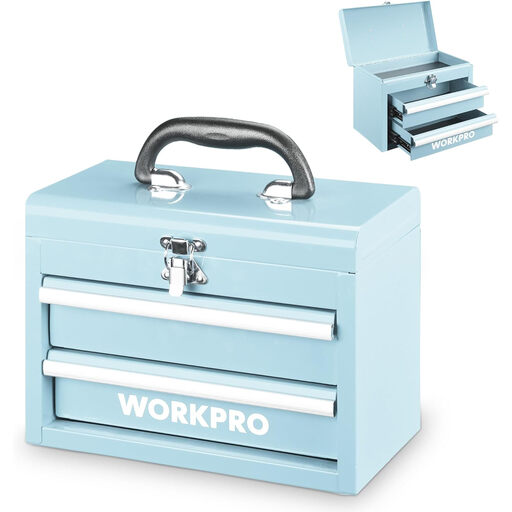
Why we chose it: This box combines a chic, retro style with a robust metal construction. It's perfect for an elegant home office, capable of holding everything from desk accessories to makeup or small tools. Its handle makes it easily portable.
Its high-quality metal structure avoids the trap of flimsy materials. The drawers, mounted on ball-bearing slides, ensure a smooth and stable opening, thus sidestepping the pitfall of counter-productive design.
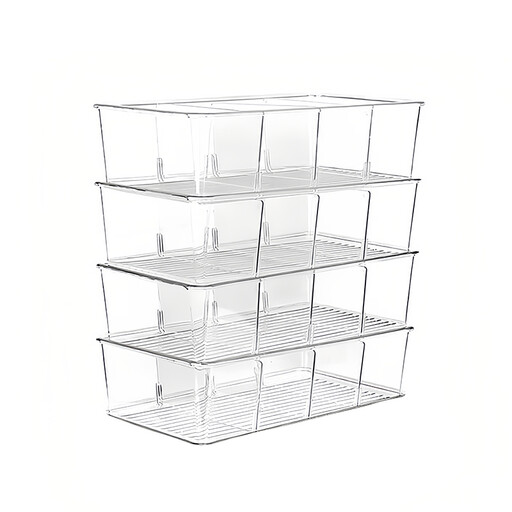
Why we chose it: The ideal solution for those who prioritise function and modularity. These transparent boxes are perfect for organising snacks, tea bags, craft supplies, or cosmetics, whether in a drawer or on a shelf.
The transparent PET material lets you see the contents at a glance, avoiding the headache of opaque boxes. Their simple, functional shape prioritises long-term utility.
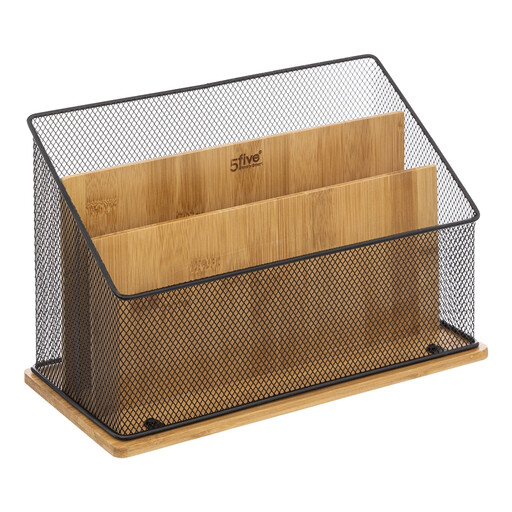
Why we chose it: This organiser impresses with its blend of natural materials and clean design. The combination of bamboo and black metal fits perfectly into a modern, minimalist workspace, adding a touch of warmth and structure.
It strikes the right balance between aesthetics and function. Bamboo is a durable material, and the multi-compartment design is practical for essential accessories, avoiding the trap of being a purely decorative object.
The open structure and different levels keep your most-used tools within easy reach while organising the space in a visually pleasing way.
We've compiled a comprehensive list of products that meet our demanding selection criteria and current safety standards.
The easiest method is a two-step process. First, measure the free space on your desk where you plan to place the organiser. Next, take a quick inventory of the items you want to store in it (pens, notebooks, stapler, etc.). This will give you a clear idea of the volume and type of compartments you need, preventing you from buying a model that's too big or too small.
For maximum durability, metal (steel, aluminium) is a top-tier choice. It resists impacts and doesn't deform easily. High-quality bamboo is also very resilient and less susceptible to moisture than other types of wood. For plastics, opt for materials like thick PET or acrylic, which are less likely to crack than thin, brittle plastics.
Yes, indirectly but significantly. A tidy workspace reduces visual distractions and the time wasted looking for your things. The principle of "a place for everything, and everything in its place" frees up mental load, allowing you to focus fully on your tasks. It's a key component of an effective remote work setup.