
Livraison le jour même ou le lendemain

Qualité garantie

Débloquez vos offres de bienvenue: Livraison GRATUITE | Jusqu'à -80 % | 30 jours d'essai gratuits à JoyPlus
Téléchargez l'application
A cluttered desk makes it harder to find documents, reduces the available space and quickly creates an untidy impression. However, simply buying a desk organiser at random is not always enough. Some models take up more room than advertised, others do not accommodate A4 formats properly or become unstable when loaded.
Before comparing desk accessories, it is worth identifying the most common pitfalls and the criteria that will really make a difference in everyday use.
A desk storage unit may look discreet in a photo while offering compartments that are too narrow for files, notebooks or stationery. For documents, check compatibility with the A4 format, the external dimensions and the depth that can actually be used.
A lightweight shelf or tall letter tray can tip over if several drawers are opened at the same time or if heavy items are placed high up. Non-slip feet, weight distribution and, where it is a piece of furniture, the option to secure it to the wall all deserve your full attention.
A transparent or black organiser fits easily into a home-working space, but its appearance says nothing about its maximum load or how easy it is to maintain. For intensive use, a metal frame or steel structure may be more suitable than a small plastic storage unit, depending on the items you need to store.
Measure the available width between the screen, the wall and your other accessories. On a small student desk, a multifunctional pencil holder or vertical organiser helps minimise clutter. In a shared office, a mobile desk cabinet can free up the desktop while remaining easy to access.
Also consider how the drawers and trays open. A model placed beneath a shelf or against a wall must retain enough space to be used without having to move other items.
For maintenance, a soft, slightly damp cloth is generally sufficient. Avoid abrasive products, particularly on transparent or painted surfaces.
When the product details specify a maximum load, use it as a guide and place heavy items in the lower compartments. For mobile storage, check for castors with brakes. A lockable cabinet may also be suitable for confidential documents, provided you follow the manufacturer's instructions.
Tall shelves should be installed on a stable surface. If an anti-tip kit is supplied, using it helps reduce risks in a family home.
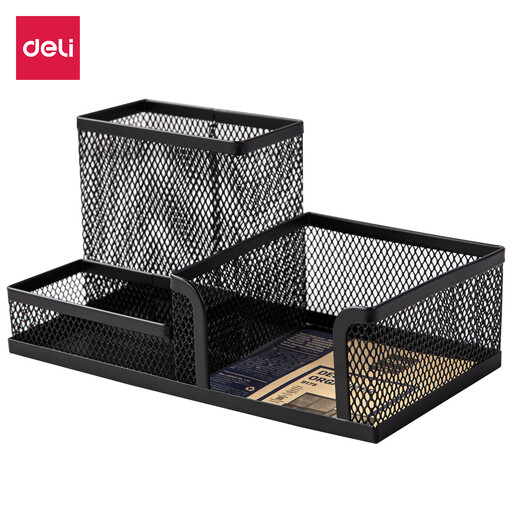
Why this choice suits this profile : Its many compartments help keep pens, scissors, rulers, sticky notes and small accessories together on a student or home-working desk.
The product details specify its compact design and tool-free assembly, helping to avoid unpleasant surprises relating to installation or the space it takes up.
Black plastic, several compartments, easy cleaning with a soft cloth and tool-free use.
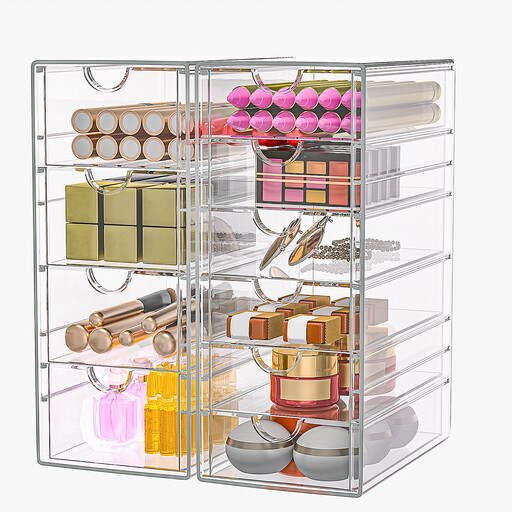
Why this choice suits this profile : Its transparent design fits easily into a bedroom, bathroom or dressing area, while allowing you to see the contents straight away.
Its ten drawers and pack of two make it easy to separate products clearly, rather than cramming everything into a single compartment that is difficult to sort.
Transparent acrylic, ten drawers per organiser and a design intended for use at home, in the office or at school.
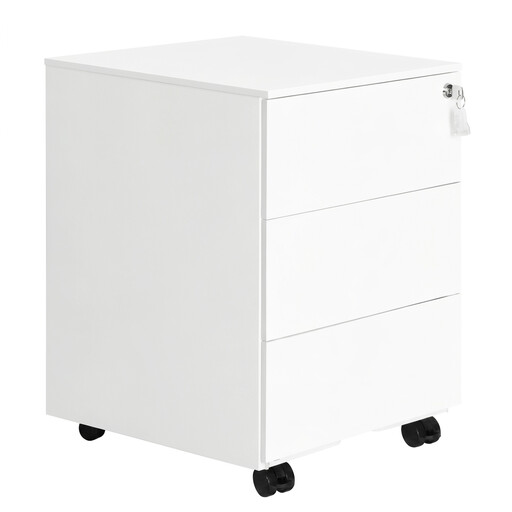
Why this choice suits this profile : This mobile cabinet is suitable for employees, professionals and home workers who regularly handle files, stationery and confidential documents.
Its dimensions of 45 × 39 × 55 cm, three drawers and lock make it easy to assess the space required and the level of privacy you need.
Steel structure, stated load capacity of 15 kg per drawer, four castors including two with brakes and delivery pre-assembled.
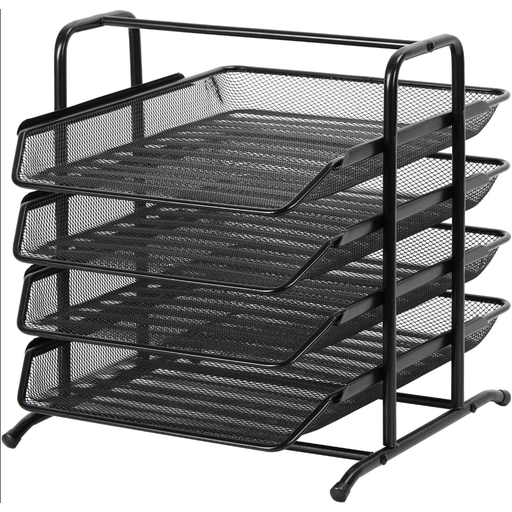
Why this choice suits this profile : Its four tiers make it easier to sort post, bills, files, magazines and other documents used every day.
A4 compatibility is explicitly stated, while the rubber feet help reduce the risk of scratches or marks on the desktop.
Black metal, sliding trays, dimensions of 35,5 × 29,5 × 32 cm and assembly by tightening the screws.
We have put together a comprehensive, real-time updated list of products that meet these strict selection criteria and European safety regulations.
Start with the items you use every day : keep your pencil holder and notes within easy reach, then store documents in a vertical organiser or A4 letter tray. Items you rarely use can be placed on a shelf or in a mobile cabinet.
It depends on the material, the load it supports and how often it is used. Avoid exceeding the stated load capacity, tighten the screws on a metal model if necessary and clean surfaces without abrasive products. A steel or metal structure is better suited to regular use, while plastic storage remains practical for small accessories.
For make-up, transparent acrylic makes it easier to identify products and separate them by category. For school or office supplies, choose compartments in different sizes, A4 trays or drawers suited to the dimensions of your files.