
Livraison le jour même ou le lendemain

Qualité garantie

Débloquez vos offres de bienvenue: Livraison GRATUITE | Jusqu'à -80 % | 30 jours d'essai gratuits à JoyPlus
Téléchargez l'application
A designer wall light is the finishing touch that can transform a room or elevate a facade. But faced with an overwhelming selection, how do you make the right choice? Behind the tempting product photo sometimes lies disappointment: pale, unflattering light, a nightmarish installation, or materials that fail to live up to their promise after just a few months. To help you avoid these pitfalls, we've broken down the common traps and essential criteria for a purchase you won't regret.
As the Head of Home & Design at Joybuy, my mission is to cut through the noise and give you clear, objective buying advice. The idea? To arm you with the knowledge to separate quality products from marketing fluff. Here are the three most common traps to avoid:
To make an informed choice, let's focus on the technical specifications that truly separate a good investment from a bad one.
The Ingress Protection (IP) rating is an international standard that assesses an electrical device's resistance to dust (the first digit) and water (the second digit). It's a technical detail that changes everything.
The style of a wall light, whether it's Scandinavian, industrial, or vintage inspired, relies first and foremost on the quality of its materials.
Let's not forget the essential purpose: a wall light is meant to illuminate. Ask yourself the right questions:
Rather than an endless list, here are a few models that tick all the right boxes and meet specific needs.
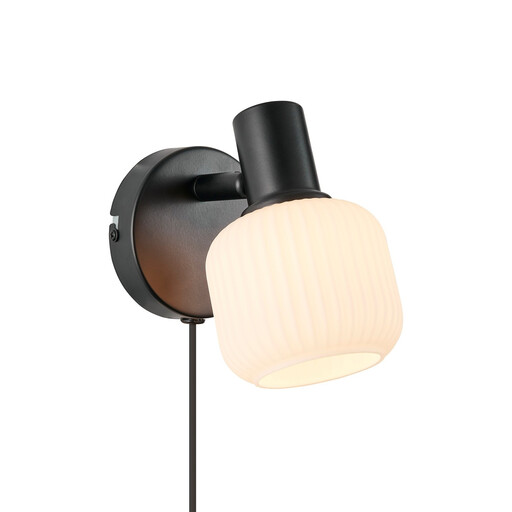
Why it's a great match: This fixture is the quintessence of "Japandi" style, blending Scandinavian minimalism with Japanese simplicity. Its mouth-blown opal glass globe diffuses a soft, incredibly warm light, perfect for creating a serene atmosphere in a bedroom or hallway.
The opal glass is specifically designed to diffuse light evenly, eliminating any risk of glare or harsh lighting (trap #1).
Each mouth-blown glass piece is unique. This guarantees an artisanal character and a quality of light that industrial materials can never replicate.
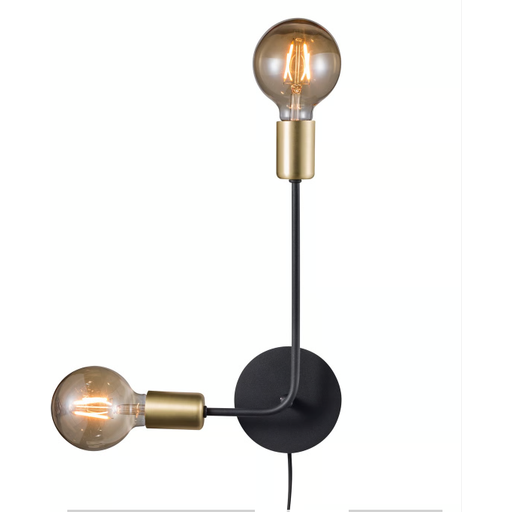
Why it's a great match: With its tubular black metal structure and brass accents, the Josefine light embodies chic industrial style. It's a strong decorative piece where the bulb isn't hidden but becomes a central element of the design.
Here, we're talking about real metal and genuine brass accents. The finish won't chip and will develop a beautiful patina over time, unlike painted imitations (trap #3).
Its open structure is an invitation to play with decorative bulbs (like Edison filament types) to completely customise the ambiance and final look.
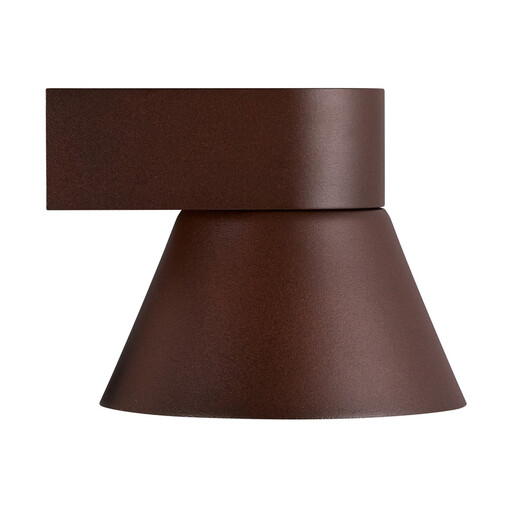
Why it's a great match: Designed by the Danish duo Says Who, this aluminium light casts a decorative downlight, perfect for marking a pathway or highlighting a facade's architecture. Its trendy rust-coloured finish gives it a raw, assertive character.
Its IP54 rating guarantees it is perfectly suited for outdoor use. It's designed to withstand dust and water spray without failing (trap #2).
It can be connected in parallel, allowing you to install several lights in a series with a single electrical connection to create a perfectly coherent lighted path.
Explore our complete selection of light fixtures that meet our quality criteria and safety standards.
As a general rule, aim for a height of about 1.75?m (5' 9") from the floor. Of course, it all depends on the use: lower for a reading light by the bed, or following the slope of a staircase for even lighting. The most important thing is to never have the bulb in your direct line of sight to avoid glare.
Absolutely not. These "nomadic" models are designed to be plugged into a standard electrical outlet. You just need to mount the fixture to the wall. It's the ideal solution for renters or for adding a light source without undertaking major electrical work.
Safety standards are very clear and define specific safety "zones". For a wall light, an IP44 rating is the absolute minimum if it's installed more than 60?cm (24 inches) from a water source (shower, bathtub). If you want to install it closer, a higher rating (like IP65) is mandatory. Safety first: always verify that the fixture is compatible with damp locations.