
Livraison le jour même ou le lendemain

Qualité garantie

Débloquez vos offres de bienvenue: Livraison GRATUITE | Jusqu'à -80 % | 30 jours d'essai gratuits à JoyPlus
Téléchargez l'application
A table is so much more than a flat surface on four legs. It's the heart of our homes—where we share a meal, get work done, or simply set down a cup of coffee. Yet, the market is flooded with models whose seductive designs reveal their weaknesses after just a few months. Choosing the right designer table means learning to look beyond first impressions to judge its true quality. Before you splurge, watch out for these classic pitfalls that too often turn a beautiful purchase into a bitter regret.
The 2 Pitfalls to Avoid When Buying a Table:
To avoid making a mistake, focus on a few key points that make all the difference in terms of durability and practicality.
The material defines not only the style but also the longevity and maintenance of your furniture.
A good design is the guarantee of a table that won't budge an inch. Observe how the legs are connected to the tabletop.
There's a table for every need. Here are a few options that cater to specific user profiles, always keeping durability and functionality in mind.
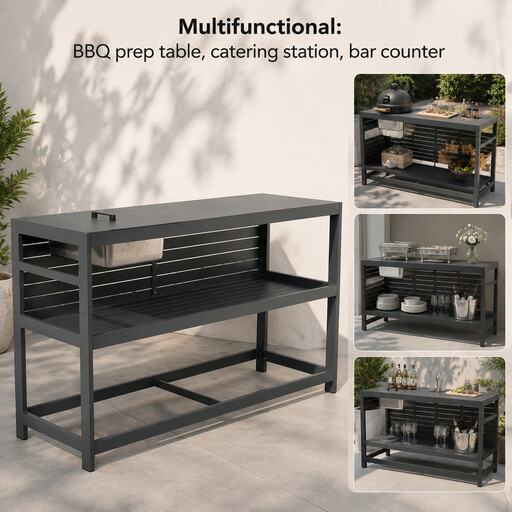
Why we chose it: Ideal for those who love to cook and entertain on their patio or in the garden. It serves equally well as a countertop, a barbecue prep station, or an outdoor bar.
It sidesteps the trap of unsuitable materials with its all-aluminium construction, designed to resist rust and weather, year after year.
The two slatted shelves offer generous storage space and good ventilation, while its structure remains lightweight and stable for outdoor use.
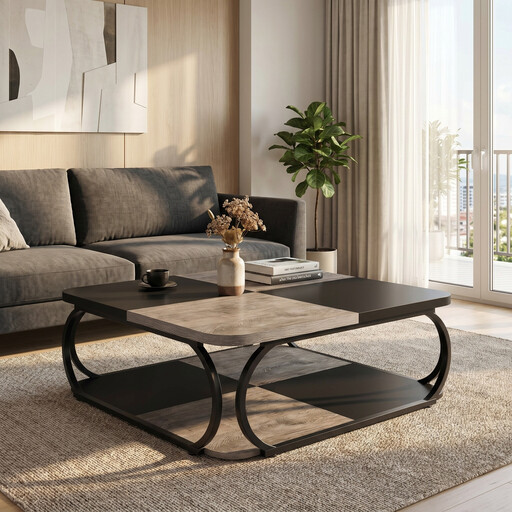
Why we chose it: Perfect for a modern or rustic-inspired living room. Its generous dimensions and dual-shelf design make it a centerpiece that is as practical as it is stylish.
It avoids the instability trap thanks to its sturdy, curved metal frame, designed to support heavy objects without bending or wobbling.
The two-tier design offers highly practical storage space for books, magazines, and remote controls, freeing up the top surface.
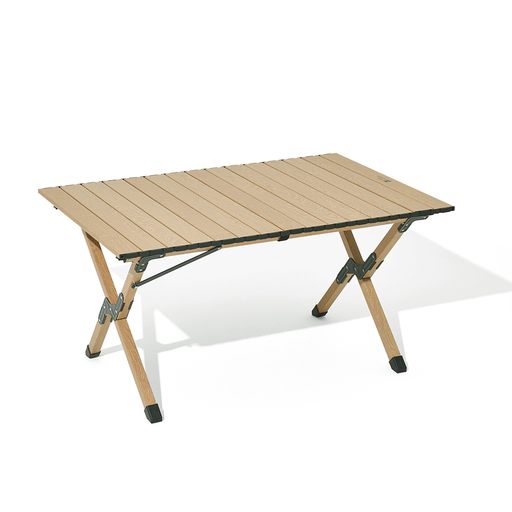
Why we chose it: For those seeking an ultra-portable solution for camping, picnics, or as an occasional side table. Its feather-light weight and carry bag make it easy to take anywhere.
It avoids the flimsy folding table trap with its crossed X-frame structure, which ensures stable triangular support and good load distribution.
The tabletop and frame pack away separately for a minimal footprint. Its weight of around 3.6 kg makes it a truly lightweight portable table.
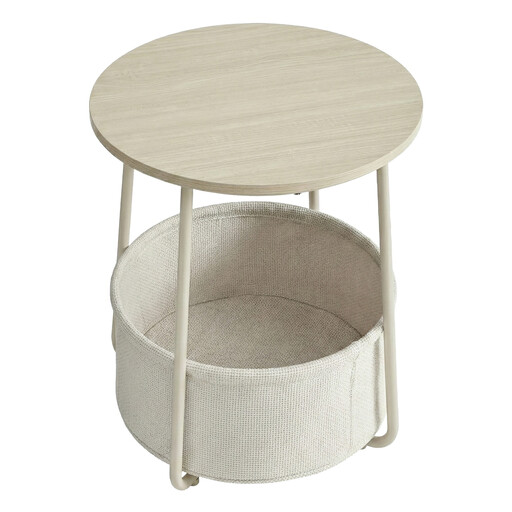
Why we chose it: An excellent end table with storage. Its compact design and dual function (table and basket) make it a clever solution for living rooms or bedrooms where every square inch counts.
It avoids the gimmicky storage trap by offering a double-layer polyester fabric basket that is both stylish and large enough to be genuinely useful every day.
The single-piece, U-shaped steel legs provide excellent stability, while the 4 adjustable feet protect the floor and ensure a perfectly level surface.
We have curated a complete selection of products that meet our criteria for quality and durability.
It all depends on the metal. Aluminium and stainless steel do not rust and can be cleaned with a simple damp cloth. For painted steel (often used for an industrial coffee table), the key is to protect the coating. Avoid impacts that could chip the paint. If a chip occurs, a small touch-up with anti-rust paint will be enough to prevent corrosion.
The rule of thumb is to choose a coffee table that is the same height as, or slightly lower than, your sofa's seat—usually between 40 and 50 cm. This height allows for comfortable access to items on the table without obstructing the view or traffic flow.
The stability of a folding table depends entirely on its design. Entry-level models can be precarious. However, a well-made folding aluminium camping table with a secure locking system and a cross-brace structure (X-frame) can offer surprising stability, perfectly adequate for meals or as an auxiliary work surface. Just remember to always check that the structure is securely locked before use.