
Same-day & Next-day Delivery

Quality Guaranteed

Unlock Your Welcome Offers: FREE Delivery | Up to 80% OFF | Free 30-day JoyPlus trial
Download the APP
A well-chosen planter or vase has the power to transform a space, infusing it with a touch of nature and style. But be warned: the market is flooded with products where design trumps practicality, and disappointment is common. As the Head of Product Curation at Joybuy, my mission is to guide you through this jungle of options to find the piece that will bring lasting beauty to your indoor or outdoor space.
Before you fall in love with a model from a photo, let's review the classic traps that turn an impulse buy into a purchase you'll regret.
To ensure you make the right decision, there are a few technical points to check. They are the secret to a purchase that combines beauty with longevity.
The material is key: it determines the look, weight, durability, and intended use (indoor or outdoor) of your planter.
A good planter is, above all, one that takes care of your plants. Drainage isn't an option; it's a necessity for almost all plants. Opt for planters that are pre-drilled or come with removable plugs. For larger models, especially outdoors, integrated wheels or a water reservoir are a daily game-changer.
An original cachepot can become the centrepiece of your decor. Whether your interior is Scandinavian-inspired with clean lines or you're cultivating a bohemian vibe, the design should complement your world without sacrificing practicality.
To help you see more clearly, here is our selection of models that tick all the boxes for quality, design, and functionality.
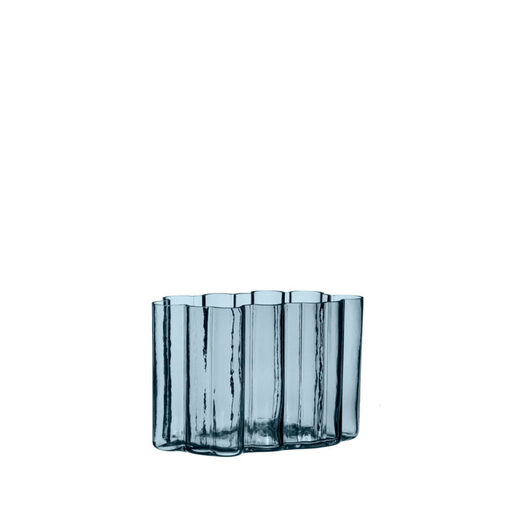
Why we love it: More than just a container, this is a true work of art. Its organic shape and deep colour make it a spectacular centrepiece that stands on its own, even without flowers.
It embraces its status as a purely decorative object for indoors. Its mouth-blown glass construction guarantees a unique piece, a world away from soulless mass-produced items.
Handcrafted: each vase is unique. Large capacity (8L): perfect for spectacular floral arrangements. Easy care: dishwasher-safe.
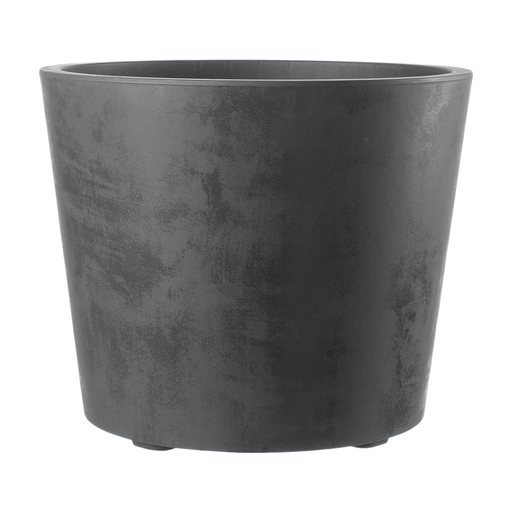
Why we love it: The perfect ally for balconies and terraces. This large planter combines a minimalist design with smart features designed for the outdoors: mobility, durability, and water management.
Its spec sheet is clear: it's designed for the outdoors with materials resistant to frost and UV rays. Its removable drainage plug offers welcome versatility, avoiding the "all-or-nothing" trap.
Mobility: its integrated wheels make it easy to move. Water management: built-in reservoir and controlled drainage. Eco-conscious design: made from recycled and recyclable materials.
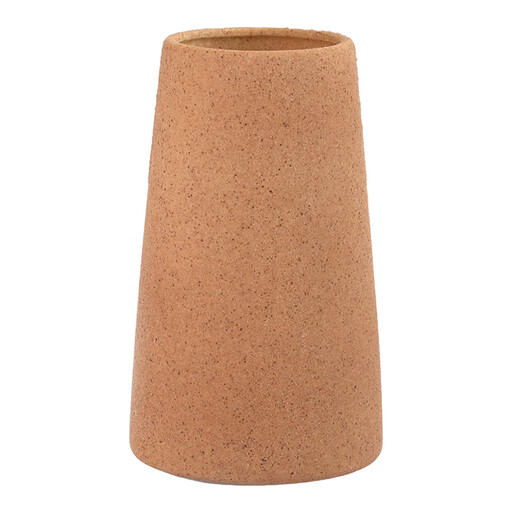
Why we love it: For adding a touch of minimalist or bohemian style without breaking the bank. Its compact size is perfect for dressing up a shelf, desk, or bedside table.
No false promises here. This is a simple, honest vase with clear dimensions. Its matte finish and porcelain design are perfectly suited for indoor use with water.
Versatile design: its clean style blends with many decors. Functional: it holds fresh flowers as well as pampas grass. Affordable price: perfect for adding multiple small decorative touches.
We have curated a complete range of products for you that meet our criteria for quality and durability.
It all depends on the material and its manufacturing process. High-quality terracotta must be dense and fired at a very high temperature. For plastic or resin planters, trust the manufacturer's "frost-resistant" or "frost-proof" label, like on DEROMA products. These materials are designed to remain flexible in cold weather to prevent cracking.
Generally, it's a bad idea if you're planting directly in it. Stagnant water at the bottom suffocates the roots and causes them to rot. If a model without a hole has caught your eye, there are two solutions: use it as a cachepot (by placing a drilled nursery pot inside) or drill a hole yourself if the material allows. A layer of clay pebbles at the bottom can work in a pinch for indoor plants, but nothing beats proper drainage.
The planter (or flower pot) directly holds the soil and the plant. It must therefore have a drainage hole. The cachepot, on the other hand, is purely decorative: it's used to dress up a more basic nursery pot (that infamous ugly plastic one). Since it usually doesn't have a hole, it's crucial to empty any excess water that collects in it after each watering to avoid drowning your plant.