
Livraison le jour même ou le lendemain

Qualité garantie

Débloquez vos offres de bienvenue: Livraison GRATUITE | Jusqu'à -80 % | 30 jours d'essai gratuits à JoyPlus
Téléchargez l'application
Choosing a designer planter is about more than just looks. The wrong choice can not only jeopardise the health of your plants but also turn into a purchase you'll regret after the very first season. As a product expert at Joybuy, my mission is to help you decode the options to make a truly informed choice. Here are the three most common pitfalls and, most importantly, how to avoid them.
To avoid these unpleasant surprises, focus on a few key technical points before you confirm your cart.
The choice of material is critical for the durability of your outdoor flower box.
Good water management is non-negotiable. You have two options:
Shape isn't just a matter of style. A square flower pot is often easier to arrange in a corner or to create a visual boundary. A large flower pot (over 40 L) is necessary for shrubs or voluminous floral arrangements, while a narrow, rectangular balcony planter will optimise space on a railing. Always anticipate your plants' growth.
To help you see things more clearly, here are a few models that meet specific needs while avoiding the pitfalls mentioned.
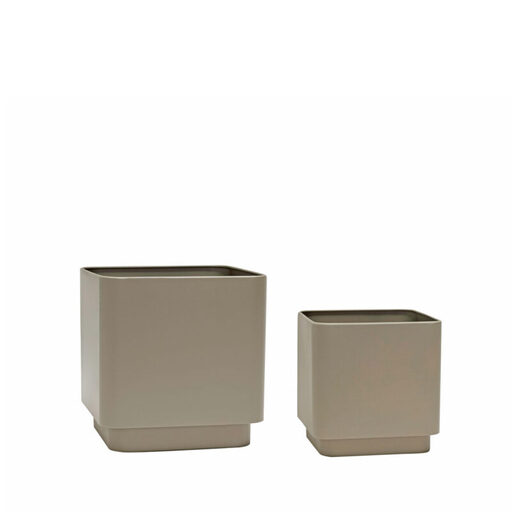
Why we chose it: This set of two square iron pots is perfect for creating a green focal point in a living room or entryway. Its geometric design and understated finish blend beautifully into a contemporary or industrial decor.
Designed exclusively for indoor use, it's not at risk of degrading due to frost or UV rays. Its purpose is clearly defined, steering clear of pitfall #1 (non-durable design for outdoors).
The set of two matching sizes allows you to create a harmonious composition and showcase plants of different scales.
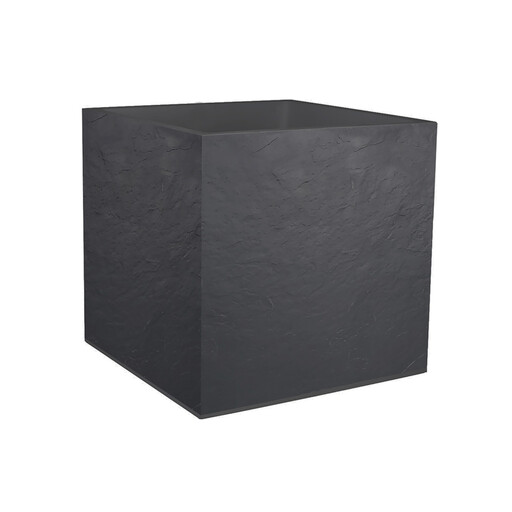
Why we chose it: This flower box is built for the outdoors. Its French manufacturing, frost and UV resistance, and stone-like appearance make it a choice that's as reliable as it is aesthetic for a terrace or garden.
It checks all the boxes for durability (frost and UV resistant) and functionality (water retention area). Its double wall protects the roots, thus avoiding pitfalls #1 and #2.
The double wall provides excellent thermal insulation for the roots, a major asset for the health of perennial plants facing climatic variations.
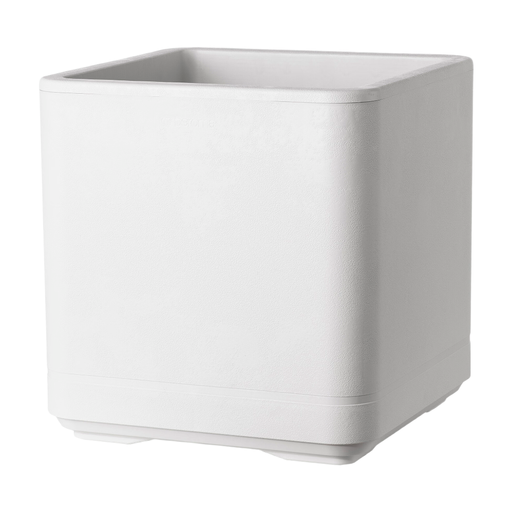
Why we chose it: This square pot checks all the boxes for a balcony: a water reservoir to space out waterings, wheels to easily move a heavy pot, and construction from recycled materials that are resistant to frost and UV rays.
It solves the size and weight pitfall (#3) thanks to its discreet wheels. The integrated water reservoir brilliantly counters the water management pitfall (#2).
The mobility offered by the wheels is a real bonus on a balcony, allowing you to reorganise the space or bring plants inside without any effort.
Explore our complete selection of pots and planters, rigorously chosen by our experts for their design and durability.
Check the product's technical specifications. An explicit mention of "frost-resistant" or "frost-proof" is your best guarantee. Materials like high-quality polypropylene, synthetic resin, or specifically treated recycled plastics are reliable choices. Double-walled models offer extra protection. Avoid classic terracotta or untreated metal if you live in a region with harsh winters.
It's particularly effective for plants that appreciate consistent moisture, such as ferns, hostas, or many flowering plants. For plants that require dry periods between waterings (cacti, succulents), it is less recommended. However, many models have a removable plug that allows you to switch from a "self-watering" mode to a classic drainage mode, making them very versatile.
For a shrub, plan for a large flower pot with a minimum volume of 30 to 50 litres to allow it to develop its roots properly. It is imperative to check the maximum load capacity of your balcony. Opt for lightweight materials like synthetic resin to limit the total weight. A square flower pot also helps to optimise space in corners.