
Livraison le jour même ou le lendemain

Qualité garantie

Débloquez vos offres de bienvenue: Livraison GRATUITE | Jusqu'à -80 % | 30 jours d'essai gratuits à JoyPlus
Téléchargez l'application
A designer pendant light is more than just a source of illumination; it's the finishing touch that sets the tone for a living room, dining room, or bedroom. Yet, faced with an overwhelming array of options, choosing the right model can often feel like an obstacle course. Between fleeting trends and the siren call of marketing, it's easy to make a mistake. Our mission? To bring clarity to your decision. Here's a breakdown of the pitfalls to avoid and the essential criteria for making a truly enlightened choice.
Before falling for a design, it's crucial to identify the flaws that can turn an impulse buy into a daily regret.
To make the right choice, three objective criteria must be scrutinized. They will determine not only the style but also the functionality and durability of your light fixture.
The lighting effect is as important as the object itself. There are three main types of diffusion:
The material influences the style, but also the maintenance and lifespan of the fixture.
A pendant that is too large can overwhelm the space, while a model that is too small will look lost.
Here are a few models that meet specific needs while sidestepping the pitfalls mentioned.
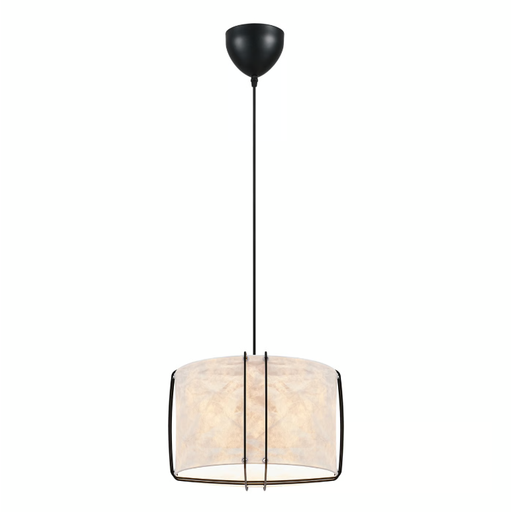
Why we chose it: This model is the epitome of Japandi style, a cross between Japanese design and Scandinavian minimalism. Its crinkled paper-like shade creates a soft, organic ambiance, perfect for a living room or bedroom seeking tranquility.
The shade provides perfectly diffused light, eliminating any risk of glare. The material, while mimicking paper, is a durable composite designed to hold its shape and color.
Creates a warm and soothing atmosphere, perfect for relaxation spaces.
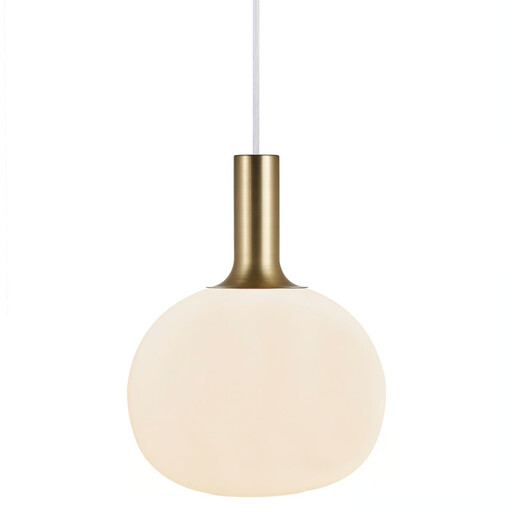
Why we chose it: For those seeking a piece that will outlast trends, this opal glass pendant is a sure thing. Its rounded, harmonious shapes fit just as well in a contemporary setting as in an Art Deco-inspired one.
Opal glass is a noble and durable material that won't degrade and is easy to clean. The fact that it's mouth-blown gives it a unique character, far from soulless mass-produced items.
A classic and elegant design, enhanced by mouth-blown glass that makes each piece unique.
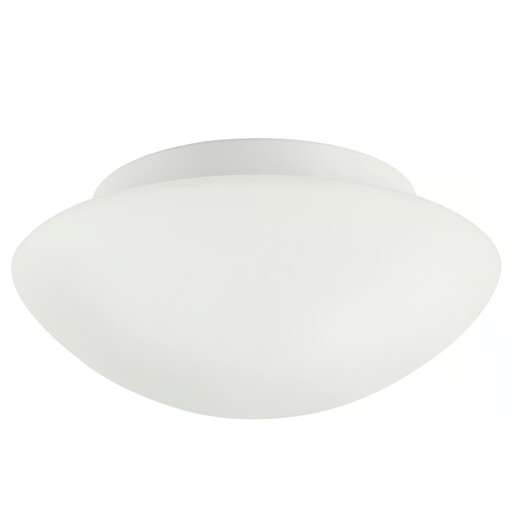
Why we chose it: Simple, elegant, and ultra-versatile. This ceiling light fits anywhere, from the entryway to the bedroom, but its real strength is its ability to be used in damp areas.
Thanks to its IP44 rating, it is designed to withstand humidity and water splashes. Where a standard fixture would degrade, this one is unfazed by the bathroom or laundry room.
Suitable for damp rooms (bathroom, kitchen) and can be mounted on the ceiling or wall.
We have curated a complete range of light fixtures that meet our criteria for quality, durability, and safety.
The golden rule is to leave a space of 75 to 90 cm (30 to 36 inches) between the bottom of the pendant and the tabletop. This properly illuminates the surface without obstructing the view of your guests.
For these delicate materials, cleaning should be done dry. Use a feather duster, a soft-bristled brush, or the brush attachment of your vacuum cleaner set to the lowest power. Absolutely avoid water or liquid cleaning products, which could stain or warp the shade. Always remember to unplug the fixture before any handling.
Yes, the vast majority of modern pendants are compatible with LED bulbs. It's even highly recommended for several reasons: they consume less energy, their lifespan is much longer, and they produce very little heat, which is a major safety advantage for fixtures made of paper, fabric, or plastic. Simply check the bulb base type (most commonly E27) and the maximum wattage allowed by the manufacturer.