
Same-day & Next-day Delivery

Quality Guaranteed

Unlock Your Welcome Offers: FREE Delivery | Up to 80% OFF | Free 30-day JoyPlus trial
Download the APP
Choosing a designer pendant light is about more than just aesthetics. It's a decision that will shape the atmosphere, functionality, and soul of your space. The problem? The market is flooded with attractive models that can hide serious flaws. One wrong choice, and your future centrepiece becomes a costly mistake, complete with disappointing lighting.
As the Head of Product Recommendations at Joybuy, I'm here to help you make an informed decision. Here are the 3 most common pitfalls to avoid and the essential criteria for choosing wisely and with confidence.
To ensure your investment is a sound one, carefully examine a few key points that guarantee both beauty and performance.
The way a fixture distributes light is crucial. There are three main types of lighting:
The lifespan and look of your light fixture are directly tied to the quality of its materials.
Before you click "Buy," a final technical check is essential:
Rather than just a list, we've matched specific models to user profiles. The goal? To help you find the pendant light that truly reflects you.
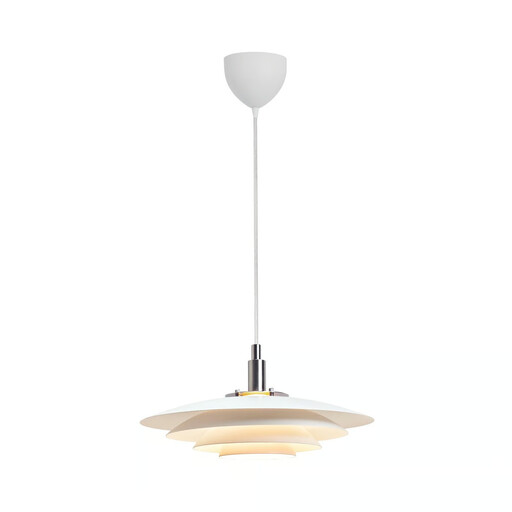
Why we chose it: This profile seeks clean lines, functional yet soft light, and a timeless design. The Bretagne pendant is the archetype of the Scandinavian pendant style, combining simplicity with lighting efficiency.
Its layered shade structure cleverly conceals the bulb to diffuse a perfectly even, glare-free light.
The white interior of the shades optimises light reflection for maximum brightness without harshness. Compatible with standard ceiling hooks, installation is a breeze.
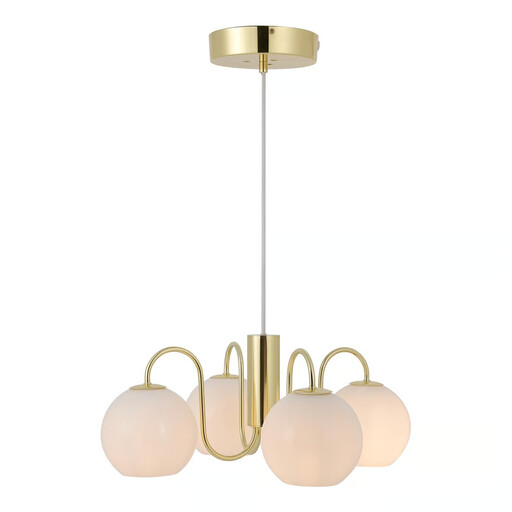
Why we chose it: This profile appreciates noble materials and designs with character. The Franca pendant is a modern chandelier that reinterprets classic fixtures with an Art Deco twist, pairing satin brass with brilliant glass.
The mouth-blown glass, with its charming imperfections, and the satin brass finish are marks of quality that clearly set it apart from low-end imitations. The white glass domes ensure a soft, diffused light.
Its four light sources provide generous illumination, perfect for a living space or above a round table, while also serving as a strong decorative statement piece.
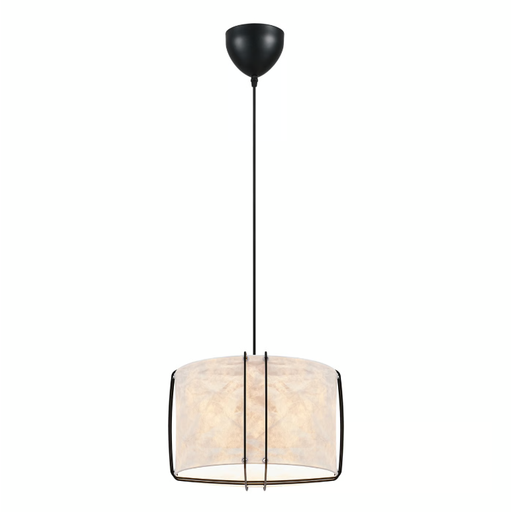
Why we chose it: This profile loves the fusion of Japanese philosophy and Nordic minimalism. The Cardine pendant, with its slightly crumpled paper shade and slender metal frame, is the quintessence of Japandi style: organic, clean, and poetic.
Its paper shade is more than an aesthetic choice; it's designed to create a diffuse, warm, and enveloping light. Lighting becomes a soothing experience, a world away from cold, harsh glares.
Its visual and physical lightness makes it easy to integrate into many spaces (living room, bedroom) without overwhelming the decor. It adds a touch of texture and softness.
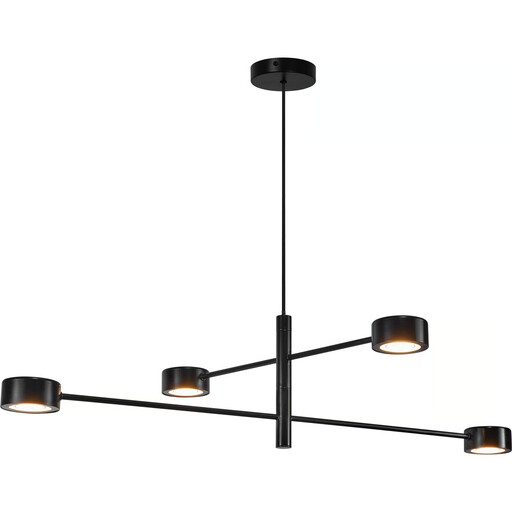
Why we chose it: For a kitchen island pendant, functionality is king. This profile needs powerful, directable, and adaptable lighting. The Clyde pendant combines a minimalist design with cutting-edge technology.
It meets the challenge of modular lighting with its 4 adjustable heads and Moodmaker function, which allows you to cycle through 3 brightness levels with a standard wall switch. No need to install an external dimmer.
The integrated LED pendant light technology guarantees a long lifespan (approx. 25,000 hours) and low energy consumption: a winning combination for high-performance, cost-effective lighting in the long run.
We've compiled a complete, up-to-date list of products that meet these strict selection criteria and current safety standards.
As a rule of thumb, allow 75 to 90 cm (30 to 36 inches) between the bottom of the fixture and the tabletop. This is the ideal height to properly illuminate the surface without obstructing the line of sight of those seated. For a balanced look, also ensure the pendant's diameter is no more than two-thirds the width of the table.
Yes, it's an excellent choice for several reasons. Not only is LED technology highly energy-efficient with an exceptional lifespan (often over 20,000 hours, meaning years of peace of mind), but it also gives designers unprecedented creative freedom. It allows them to envision slim, original shapes that are impossible to achieve with traditional bulbs.
When it comes to maintenance, safety first: always turn off the power before handling the fixture.