
Livraison le jour même ou le lendemain

Qualité garantie

Débloquez vos offres de bienvenue: Livraison GRATUITE | Jusqu'à -80 % | 30 jours d'essai gratuits à JoyPlus
Téléchargez l'application
More than just a light source, a designer pendant is often the statement piece that sets the tone for an interior. But finding the perfect one can quickly become a headache. Between flattering photos and reality, the pitfalls are numerous and can turn a love-at-first-sight purchase into a real disappointment. As a product expert for our editorial team, my mission is to guide you in making an informed choice and avoiding the most common mistakes.
Let's review the 3 classic mistakes when buying a light fixture, and more importantly, how to avoid them.
dimmable pendant light) in a living area are rookie mistakes.For a successful purchase that combines style and durability, certain technical points must be closely inspected.
The way light is cast radically influences the atmosphere.
The material doesn't just define the style; it also determines the robustness and lifespan of your pendant light.
Often overlooked at the time of purchase, the ability to vary the light intensity is an essential everyday comfort. A dimmable pendant light allows you to adapt the lighting to different times of the day: bright light for working or cooking, and a subdued glow for a dinner or a relaxing evening. Always remember to check if the fixture is compatible with an external dimmer, or even better, if the function is already built-in.
To move from theory to practice, here are a few models that perfectly illustrate these criteria and meet specific needs.
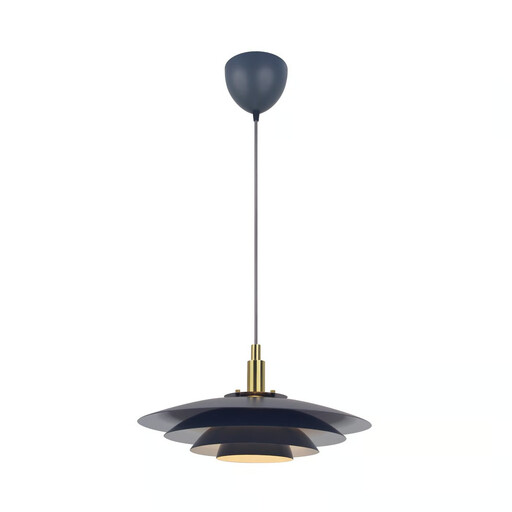
Why it's a perfect match: This profile seeks clean lines and soft light for a *cosy* atmosphere. With its functional Scandinavian design, the Bretagne pendant checks all the boxes.
Its structure of layered shades cleverly conceals the bulb to diffuse a soft, indirect light. Goodbye, glare!
Its timeless design and metal construction are guarantees of style and durability. The white interior of the shade, meanwhile, optimises light reflection.
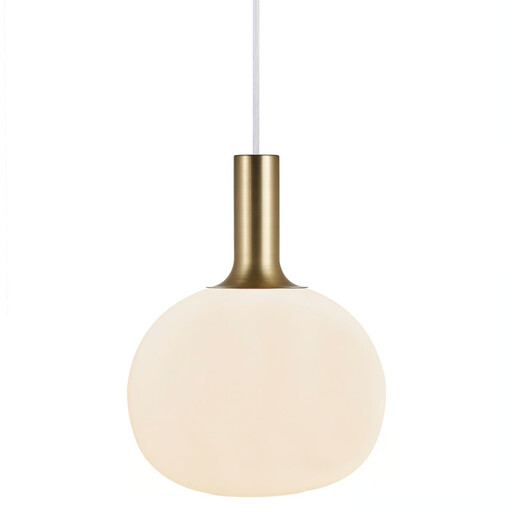
Why it's a perfect match: This profile loves noble materials and harmonious shapes that create a focal point in a room. The Alton pendant, with its opal glass and soft curves, perfectly answers this quest for elegance.
The mouth-blown glass is shaped by hand. This artisanal process, which can leave slight air bubbles or variations in thickness, gives it a unique character, a far cry from soulless, mass-produced items.
Its white opal glass globe diffuses a warm, uniform light, perfect for a sophisticated ambiance. Bonus: it's compatible with dimmable bulbs.
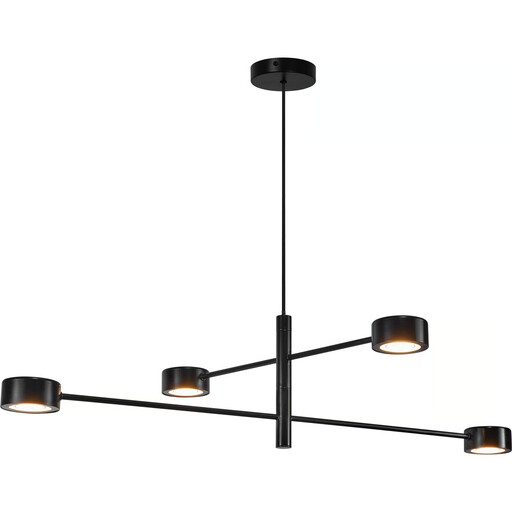
Why it's a perfect match: Here, the goal is high-performance, adjustable lighting for a kitchen island or a large dining table. Technology and flexibility matter just as much as looks.
It bypasses the incompatibility trap with its integrated Moodmaker function. This allows you to cycle through three brightness levels using a standard wall switch, without complicated installation.
Its four adjustable spotlights offer maximum flexibility to direct light exactly where you need it. The LED is integrated, for a turnkey solution.
Browse our themed collections, all featuring products that meet our quality and safety standards.
As a general rule, leave a space of 75 to 90 cm between the bottom of the light fixture and the tabletop. This is the ideal height to properly illuminate the surface without obstructing the guests' line of sight. This height can, of course, be adjusted based on the size of the pendant and the ceiling height.
Yes, the vast majority of modern pendants are compatible with LED bulbs. We even recommend them for their low energy consumption and exceptional longevity. Simply check the required bulb base type (e.g., E27, E14, GU10) and the maximum wattage allowed by the manufacturer. Note that some models, like the Clyde pendant, have an integrated LED source that is not replaceable.
To preserve their finish, gentle maintenance is required. First rule: always turn off the power supply before cleaning. A simple dry microfiber cloth is sufficient for dusting. For a spot or stain, use a slightly damp cloth, then immediately dry the surface. Never use chemical or abrasive cleaners: they could permanently damage the finish, whether it's black metal, brass, or glass.