
Livraison le jour même ou le lendemain

Qualité garantie

Débloquez vos offres de bienvenue: Livraison GRATUITE | Jusqu'à -80 % | 30 jours d'essai gratuits à JoyPlus
Téléchargez l'application
Choosing a designer pendant light can transform a room, elevating it from a merely functional space to a living area with a sophisticated ambiance. However, the market is saturated with models that look stunning in photos but prove disappointing once installed. Our mission at Joybuy is to help you navigate between fleeting trends and real technical constraints. Follow our guide to make the right choice and avoid the most common pitfalls.
A light fixture isn't just a beautiful object. It is, first and foremost, a source of light. Forgetting this is the number one cause of post-purchase disappointment.
To avoid these pitfalls, focus on a few key technical criteria that will guarantee both the right lighting ambiance and the longevity of your fixture.
The way light is distributed is paramount. There are three main types of lighting:?
For dining room lighting or a living room fixture, opt for diffused light. Scandinavian light fixtures with layered shades or pendants made of opal glass are wise choices. A Japandi paper pendant will add a touch of softness and serenity.
The quality of a light fixture is first and foremost evident in its materials.
The choice between a standard bulb and an integrated solution is a matter of priorities.
Here are a few options that cater to different user profiles, all meeting our criteria for quality and functionality.
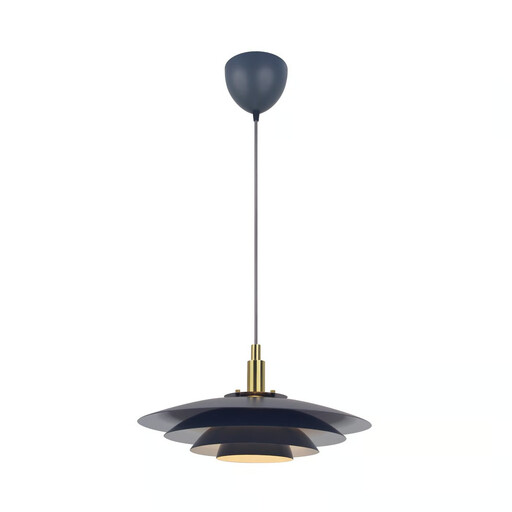
Why we love it: Ideal for those seeking a clean design and functional light that isn't cold. Its Scandinavian aesthetic fits perfectly in a living room or above a round table, creating a soft and welcoming atmosphere.
Its layered shades conceal the bulb and diffuse a soft, 100% glare-free light. The problem of harsh, direct light is solved.
The white interior of the shade maximises light reflection for efficient illumination. Bonus: its compatibility with standard ceiling hooks simplifies installation.
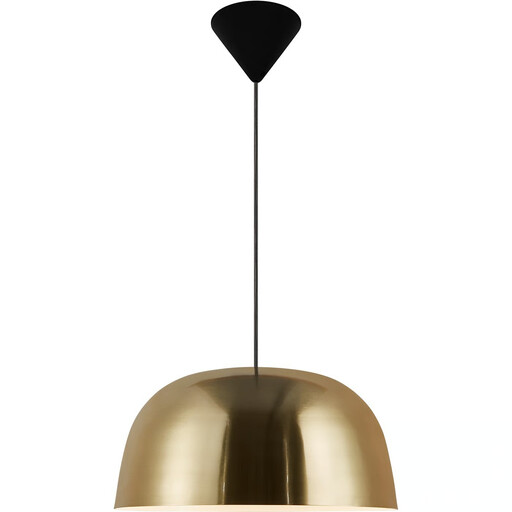
Why we love it: For those who want a strong, characterful statement piece. Brass, a timeless trend, brings warmth and a touch of exclusivity. This Art Deco-inspired pendant is perfect for elevating a dining table or a reading nook.
The Cera range uses metal with a genuine brass finish, guaranteeing a lasting aesthetic that won't chip or flake like low-end paint jobs.
The rounded shape of the shade focuses light downwards for a cosy effect, while creating a striking visual contrast with the fixture's rigid structure.
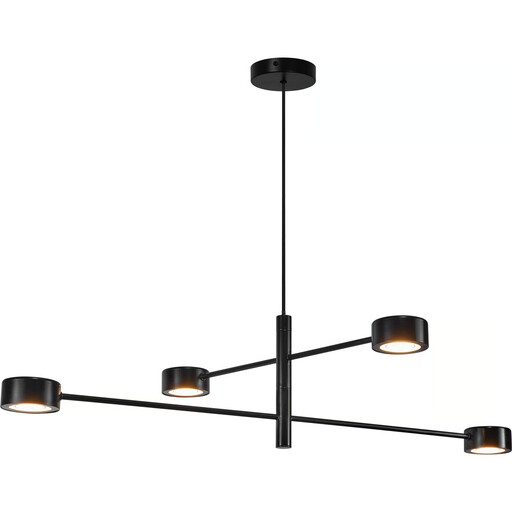
Why we love it: The perfect solution for a long kitchen island or a rectangular table. This fixture combines minimalist design with smart technology for lighting that is powerful, versatile, and visually light.
Its integrated Moodmaker function allows you to adjust the intensity through 3 levels using a standard wall switch. No more complex installations! Plus, its adjustable heads give you total control over the light to ensure you're never dazzled.
The integrated LED technology ensures a record-breaking lifespan and minimal energy consumption. Its rotating arms allow you to adjust the light's direction on the fly, depending on your activities.
Explore our full selection of products that meet our quality criteria and European safety standards.
1. How high should I hang a pendant light over a dining table? As a general rule, leave 75 to 90 cm (30 to 36 inches) of space between the bottom of the fixture and the tabletop. This is the ideal height to properly illuminate the surface without obstructing the line of sight of your guests or causing glare.
2. Is a pendant light with an integrated LED a good investment? Yes, if you prioritise longevity and peace of mind. Integrated LEDs offer a lifespan of 25,000 to 50,000 hours (which is over 15 years of normal use). They also enable sleeker designs and advanced dimming functions. The only drawback is that the light source usually cannot be replaced by the user.
3. How do I care for a glass, brass, or paper pendant light? The first and most important rule: always turn off the power supply before cleaning.