
Livraison le jour même ou le lendemain

Qualité garantie

Débloquez vos offres de bienvenue: Livraison GRATUITE | Jusqu'à -80 % | 30 jours d'essai gratuits à JoyPlus
Téléchargez l'application
Choosing a designer pendant light is about much more than just illumination. It's the centrepiece that shapes a room's atmosphere, whether it hangs majestically over a dining table, a kitchen island, or in the heart of the living room. But be warned: the market is flooded with eye-catching models that hide design flaws or low-quality materials. As a section editor and product expert at Joybuy, my mission is to help you navigate these pitfalls to make a purchase you won't regret—a choice that is as beautiful as it is durable.
So, before you fall for a pretty picture, let's review the most common mistakes and, more importantly, how to avoid them.
A poorly chosen light fixture can quickly become a daily source of frustration. Here are the three main issues to anticipate to ensure you make the right choice:
To make a successful purchase, you need to read between the lines of the product description. Here are the three key points that guarantee the quality and practicality of your future designer pendant light.
The type of lighting is directly determined by the shape and material of the lampshade.
The size of the pendant light should be in harmony with the room's volume and the furniture it hangs above.
The choice of light source is crucial for the maintenance and lifespan of your fixture.
To put theory into practice, here are a few models we recommend, each tailored for a specific use and style.
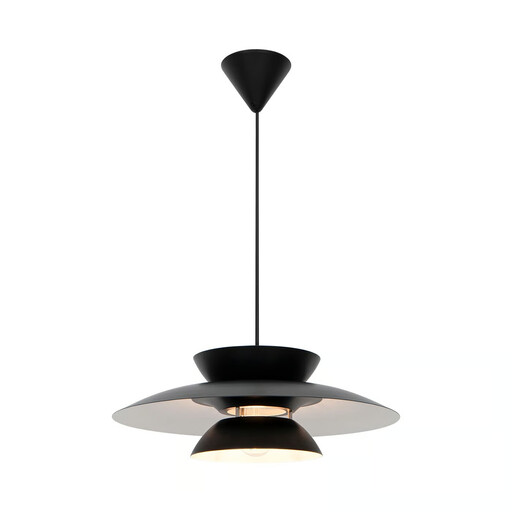
Why it's a great choice: Perfect for fans of clean, functional Nordic design. Its soft lines and black metal structure integrate beautifully into a minimalist decor without ever weighing down the space.
The shade's multi-layered structure is designed to conceal the bulb and diffuse a soft, glare-free light. It thus sidesteps the classic pitfall of glare, which is common with metal pendants.
It combines the robustness of metal with a lighting design focused on visual comfort. Its E27 socket gives you complete freedom in choosing the bulb.
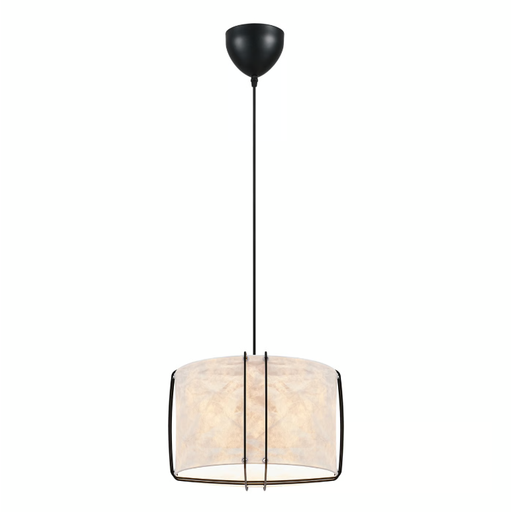
Why it's a great choice: Ideal for lovers of the Japandi trend. Its crinkled paper-like shade and airy structure create a zen atmosphere, perfect for a bedroom pendant or a reading nook.
The shade isn't made of ordinary paper, but of Tyvek, a material that is ultra-resistant to tears and moisture. It thus overcomes the main drawback of paper light fixtures: their fragility.
It diffuses a uniquely soft and warm light. Its light, poetic design brings an organic and calming touch to any interior.
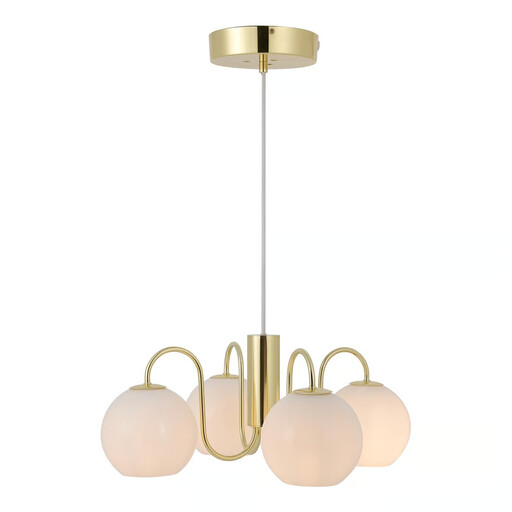
Why it's a great choice: For those who want a modern living room chandelier with a vintage soul. This reinterpretation of the classic chandelier, with its satin brass finish and mouth-blown glass globes, is a true statement piece.
The brushed brass finish ensures a high-end, durable look, light years away from cheap-looking finishes that tarnish. The mouth-blown glass makes each piece unique, a sign of true craftsmanship.
Its four light sources (E14 socket) guarantee generous and well-distributed lighting, ideal for a large space. Its sculptural design makes it the focal point of your decor.
Discover our complete selection of pendant lights that tick all the boxes: style, quality, and safety.
The golden rule: leave a space of 75 to 90 cm between the bottom of the fixture and the tabletop. This perfectly illuminates the area without obstructing the line of sight of your guests. The game-changing detail: make sure the cable is height-adjustable.
First and foremost: turn off the power!
Yes, it's an excellent choice if you prioritise ultra-slim designs and peace of mind (no more changing bulbs!). Integrated LEDs have an exceptional lifespan, often exceeding 10 years with normal use. The downside: if the light source fails outside of the warranty period, you usually have to replace the entire fixture. It's a trade-off between cutting-edge design and very long-term maintenance.