
Livraison le jour même ou le lendemain

Qualité garantie

Débloquez vos offres de bienvenue: Livraison GRATUITE | Jusqu'à -80 % | 30 jours d'essai gratuits à JoyPlus
Téléchargez l'application
A well-chosen designer outdoor wall light can transform a facade, patio, or balcony. But the vast selection available hides pitfalls that can quickly turn a promising purchase into a disappointment. A stylish look in a photo guarantees neither durability nor performance. Before you buy, it's crucial to understand the most common mistakes to ensure you invest in lighting that truly combines style and function.
To avoid these pitfalls, focus on objective technical specifications. They are the true guarantors of your modern outdoor wall light's quality and longevity.
The Ingress Protection (IP) rating is an international standard that classifies a device's level of protection against solid objects and liquids. It consists of two digits:
For an outdoor installation, an IP54 rating is an excellent starting point. It ensures the light is protected against dust deposits and water splashes from all directions. This is a reliable standard for most locations, including more exposed facades.
The choice of material has a direct impact on your light's resistance to the elements.
The choice will depend on your installation constraints and performance expectations.
To help you see how these criteria apply in practice, here are a few models that meet different needs while adhering to our quality standards.
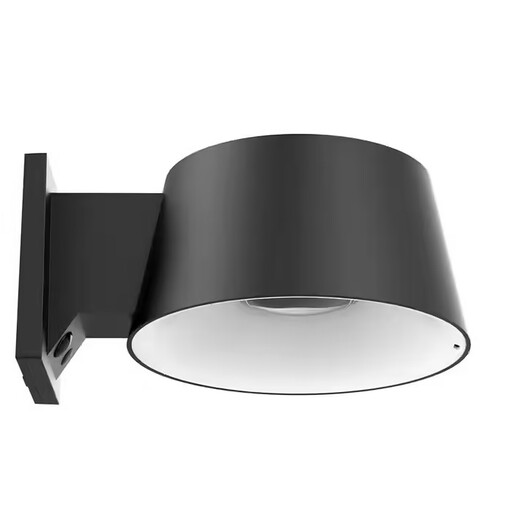
The user profile: Ideal for those seeking a stylish lighting solution without the hassle of electrical installation. Perfect for a balcony, pathway, or patio where running cables is difficult.
This model avoids the underpowered solar light trap with its well-integrated solar panel and a design optimised for efficient charging. The result: reliable, automatic activation at dusk.
Ultra-simple wall installation with no wiring required. Its modern, minimalist design is crafted from weather-resistant materials.
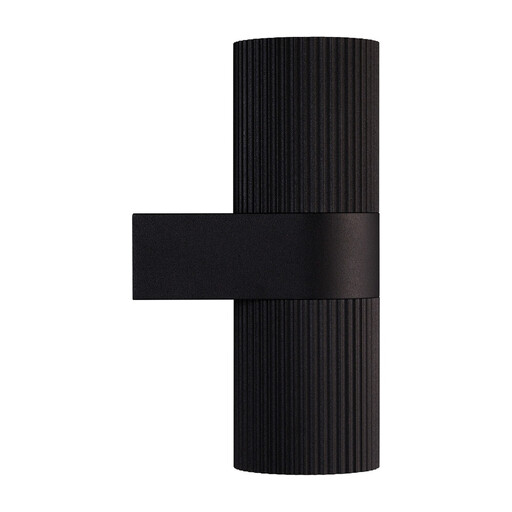
The user profile: For those who see lighting as an architectural element in its own right. The Danish design and unique texture of this light make it a true centrepiece on a contemporary facade.
Made from aluminium and certified IP54, it avoids the "disposable design" trap. Its robust construction is built to last and withstand the elements, preserving its aesthetic year after year.
Designed by the Danish duo Says Who. Its ribbed surface creates a unique play of light. Can be connected in parallel for perfectly harmonious facade lighting.
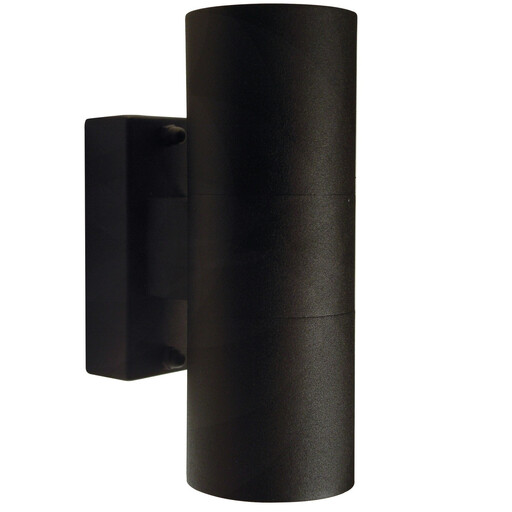
The user profile: For those who prioritise function and safety without sacrificing style. Ideal for marking an entrance, garage, or pathway with its effective up-and-down lighting.
Its metal construction and IP54 rating make it a reliable choice that isn't afraid of bad weather. It's a durable investment that avoids the classic pitfall of a light that deteriorates after the first winter.
Dual lighting (up and down) provides illumination that is both safe and stylish. Its timeless, understated design fits with any architectural style.
Discover our complete and updated selection of products that meet these quality criteria and current safety standards.
The brightness, measured in lumens (lm), depends on the use. For ambient lighting on a patio, 100 to 300 lumens per light is sufficient. To secure an entrance or a pathway, aim for 400 to 800 lumens. The advantage of LED technology is that it provides high brightness for very low power consumption in watts.
Yes, provided you choose a quality model. For lighting that is truly functional and not just decorative, check the battery capacity (in mAh) and the solar panel's power. A good solar wall light can provide powerful illumination for 6 to 8 hours, which is more than enough for an entire evening.
For a solar light, installation is a breeze and requires no special skills. However, for a wired light connected to the mains (230 V), hiring a qualified electrician is strongly recommended, and often mandatory, to ensure a safe installation that complies with local electrical codes.