
Same-day & Next-day Delivery

Quality Guaranteed

Unlock Your Welcome Offers: FREE Delivery | Up to 80% OFF | Free 30-day JoyPlus trial
Download the APP
A beautiful planter can transform a balcony, terrace, or garden. But initial enthusiasm too often turns to disappointment: the colour fades after the first summer, a crack appears with the first frost, and plants wither away from poor drainage. Choosing a designer outdoor planter isn't just about aesthetics. It's a true investment in the beauty of your space and the health of your plants.
As a Product Expert at Joybuy, my mission is to help you sort through the options and spot the details that make all the difference. Let's cut through the marketing jargon and focus on the pitfalls to avoid, so you can make a choice you won't regret.
Buying a planter might seem straightforward, but be warned: some flaws only reveal themselves once the item is installed in your home. Here are the key points to keep in mind.
To avoid falling into the same traps, mastering a few technical concepts is essential. This will allow you to judge a product on its substance, not just its style.
The choice of material directly impacts your planter's durability, weight, and maintenance.
Good water management is fundamental. Two main systems stand out:
The size and shape are not just about aesthetics. A large modern planter can serve as a focal point or a space divider on a terrace. An anthracite square planter adds a contemporary, graphic touch. For a balcony, smaller, lighter pots will be more suitable and safer. Always consider the volume of soil your future plants will need to thrive.
To put theory into practice, here are a few models that perfectly illustrate these criteria, each meeting a specific need.
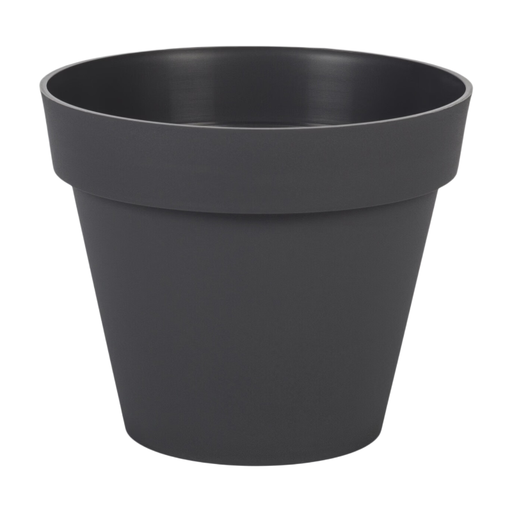
Why it's a great choice: Perfect for those juggling limited space. Its compact size and light weight are ideal for a balcony, while its simple, effective design fits any style.
The integrated water retention zone prevents the soil from drying out too quickly—a common problem on exposed balconies—while protecting roots from excess water.
Simplified water management and French manufacturing from 100% recyclable materials.
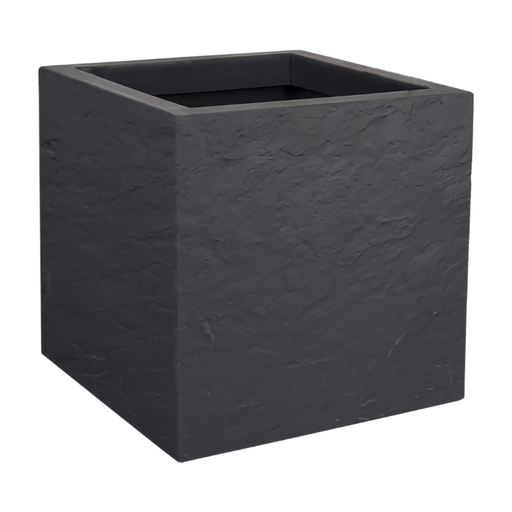
Why it's a great choice: For those who want to structure a terrace or garden with statement pieces. Its stone-effect design and square shape add a modern, architectural touch.
The water retention system and pre-drilled holes ensure controlled drainage, preventing water stagnation. Its design is specifically engineered to withstand the elements.
Modular and stackable to create custom arrangements. The Origine France Garantie (Guaranteed French Origin) certification is a true mark of quality and craftsmanship.
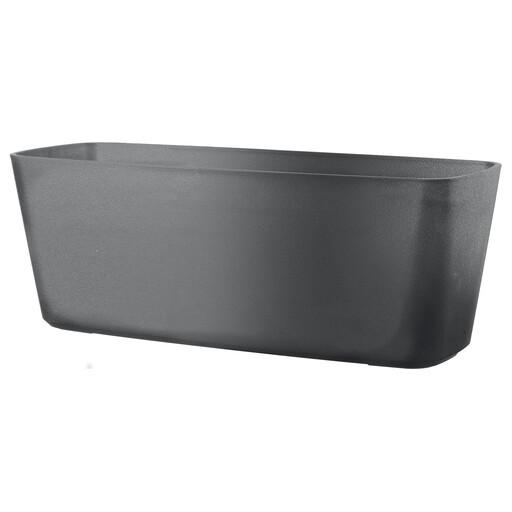
Why it's a great choice: For those who put sustainability and environmental impact at the heart of their concerns. This pot is made from recycled materials and is fully recyclable at the end of its life.
Its robust construction offers foolproof resistance to frost and UV rays, preventing the cracks and discolouration that condemn low-end plastics.
The removable plug gives it great versatility, allowing for optimal drainage outdoors or use indoors without needing a saucer.
We've curated a complete range of products that check all the boxes on our list of requirements.
Check the material composition. High-quality plastics like polypropylene or composite materials are generally more reliable. Look for explicit manufacturer claims about frost-resistance testing and steer clear of rigid, brittle plastics, which are far more vulnerable.
For a balcony, a self-watering planter is often a very smart choice. It reduces the frequency of watering and protects plants from water stress on hot, windy days. It's a welcome convenience that helps ensure your plants stay healthy.
Longevity depends on the quality of the recycled plastic and the presence of a UV-resistant treatment. A well-made model, treated against UV rays and frost, can easily last 5 to 10 years or even longer without losing its colour or strength. It's an economical and ecological choice for the long term.