
Livraison le jour même ou le lendemain

Qualité garantie

Débloquez vos offres de bienvenue: Livraison GRATUITE | Jusqu'à -80 % | 30 jours d'essai gratuits à JoyPlus
Téléchargez l'application
Beautiful glassware is the touch that transforms a simple meal into an experience and elevates an interior. Yet, behind the elegance of a designer piece, real disappointments can sometimes hide: a glass that cracks with the first hot tea, a wobbly carafe, or a vase that's impossible to scrub clean.
Choosing your glassware shouldn't be a headache. To help you invest in pieces that are as practical as they are beautiful, we've broken down the 3 common pitfalls to avoid and the criteria you must check before you buy.
To ensure you make the right choice and a lasting investment, focus on a few technical points that make all the difference.
You've likely come across this name before. Borosilicate glass is the champion of modern, durable tableware. Unlike standard glass, it contains boron trioxide, which gives it exceptional resistance to thermal shock and much greater robustness. It's the same glass used in laboratories—a true mark of reliability. Choosing items made of borosilicate glass is your assurance that they will effortlessly handle the transition from hot to cold, an essential quality for double-walled glasses or a French press coffee maker.
Good design is, above all, smart design. Before you fall in love with a piece, ask yourself the right questions:
We've scrutinised several products based on these criteria of durability and practicality. Here are our favourites, designed for different profiles.
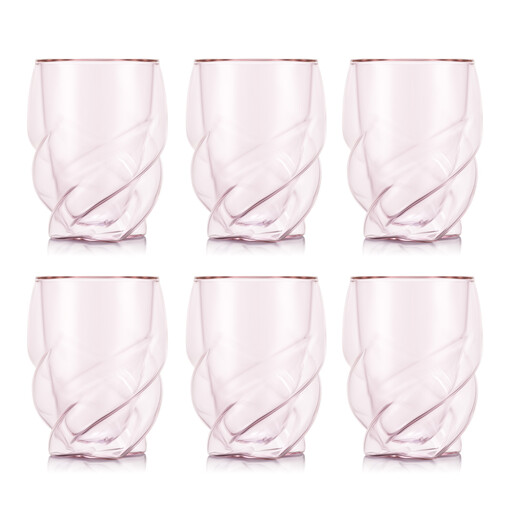
Why we chose it: Perfect for entertaining, this set combines clever design with aesthetics. The double wall keeps drinks at their ideal temperature (hot or cold) for much longer, without ever creating condensation. No more water rings on the table!
Made from mouth-blown borosilicate glass, these glasses handle thermal shock with ease. They are dishwasher-safe, ensuring easy everyday use—a far cry from overly fragile decorative pieces.
Stunning thermal insulation and a trendy touch of colour to brighten up the table.
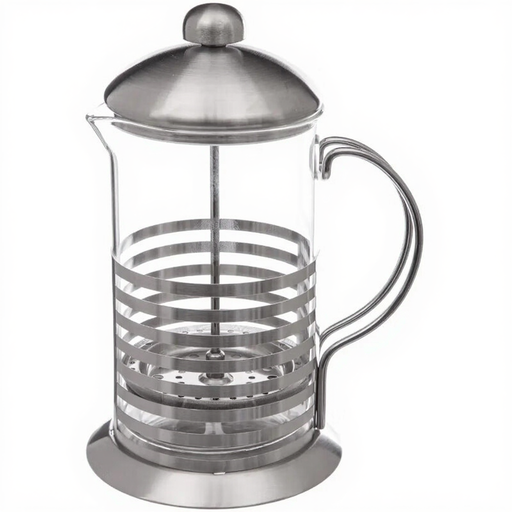
Why we chose it: Perfect for fans of the "slow coffee" ritual, this French press combines a very chic textured design with an excellent grip. Its 80 cl capacity is ideal for a brunch or breakfast with friends.
Its body, made of heat-resistant glass, is designed for high-temperature brewing, eliminating any risk of cracking. The time-tested plunger mechanism can be fully disassembled for impeccable cleaning.
A generous capacity (up to 6 cups) and a textured design that won't go unnoticed on your countertop.
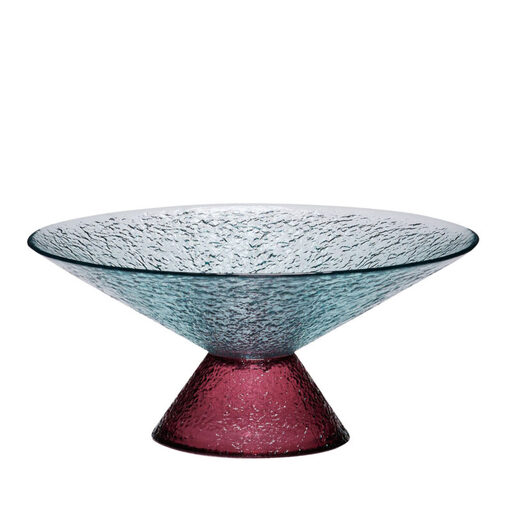
Why we chose it: This large coloured glass bowl is a true statement piece. Handcrafted, each model is unique with its swirl of pop colours. It will make a statement as a centrepiece, a fruit bowl, or simply displayed as a sculpture.
No pretence here: this is an artisanal piece designed for decoration or cold serving. It doesn't try to be a do-it-all object. Its thickness and weight give it a beautiful presence and perfect stability.
A unique artisanal character and maximum visual impact thanks to its vibrant colours and generous size (? 25 cm).
Tinted glass comes in endless variations, making for out-of-the-ordinary gifts or a way to bring colour into your daily life. Explore our entire selection.
No, "unbreakable" glass doesn't exist. Borosilicate glass is simply much more resistant to thermal shock (hot/cold) and minor everyday impacts than standard glass. You should, of course, take care of it, but its lifespan under normal conditions is significantly longer.
For a coloured glass bowl or any artisanal piece, always opt for hand washing. A non-abrasive sponge and mild soap are all you need to avoid scratching the surface or dulling the colours. The secret to a perfect finish: dry it immediately with a soft cloth to prevent water spots. And when in doubt, always consult the manufacturer's instructions before trying the dishwasher!
When well-maintained, double-walled glasses are very sturdy. Their only weak spot is the small silicone plug that seals the air vacuum. An impact can damage it and negate the insulating effect. Inspect them from time to time and set aside any chipped or cracked glass. Finally, avoid extreme thermal shocks, like pouring boiling water into a glass straight from the freezer.