
Livraison le jour même ou le lendemain

Qualité garantie

Débloquez vos offres de bienvenue: Livraison GRATUITE | Jusqu'à -80 % | 30 jours d'essai gratuits à JoyPlus
Téléchargez l'application
A designer glass pendant light has the power to transform a room, elevating it from a simple functional space to a place with a sophisticated atmosphere. Whether it's a designer glass fixture for the living room or a designer kitchen pendant light, the selection is vast and the marketing promises are tempting. But be warned: behind the brilliant glass, flaws can sometimes hide, turning an impulse buy into a real disappointment.
As the Head of Product Recommendations at Joybuy, my mission is to guide you through this jungle of options to make the right choice. Here's a breakdown of the three most common pitfalls to avoid and the essential criteria to check before you buy.
To avoid these setbacks, scrutinise a few key points. They are crucial not only for the aesthetics but also for the functionality of your future light fixture.
The choice of glass is crucial, as it will directly sculpt the lighting ambiance of your room. Each type has its own signature:
The combination of glass with other materials plays a major role in the style, as well as the longevity of the fixture.
A brass and glass pendant is a timeless classic that brings a touch of warmth and elegance. Ensure it is solid brass or, failing that, a metal with a high-quality brass finish (brushed, satin) to guarantee it holds up over time. Finishes in black metal or brushed steel, on the other hand, will fit perfectly into more contemporary or industrial-inspired decors.
Before any purchase, grab a tape measure.
To illustrate our points, here are a few models that check all the right boxes and cater to specific user profiles.
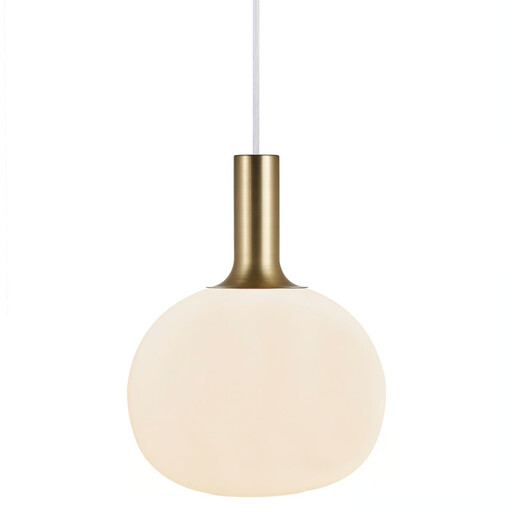
Why it's a perfect match: This user profile seeks simplicity, functionality, and soft light. With its harmonious design, organic shapes, and lack of superfluous details, the Alton series is the quintessence of Nordic style.
Its white opal glass globe ensures broad, perfectly even light diffusion with no risk of glare. This sidesteps the pitfall of uncomfortable lighting.
The mouth-blown glass, with its subtle variations, gives each piece a unique character without ever compromising the quality of the light diffusion.
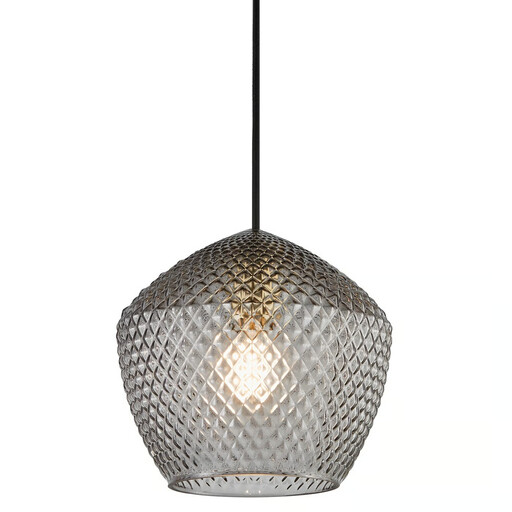
Why it's a perfect match: This profile wants more than just a light fixture: they want a true style statement. The combination of brushed brass and faceted smoked glass in the Orbiform perfectly captures the glamorous spirit of the Art Deco era.
The glasswork isn't purely decorative. It's designed to refract light and create a unique play of reflections, thus blending aesthetics with function.
The combination of premium materials (brushed brass, textured smoked glass) justifies its status as a centrepiece and ensures its aesthetic longevity.
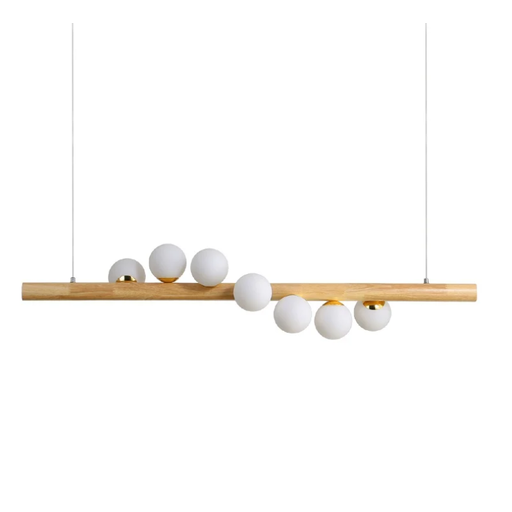
Why it's a perfect match: Over a kitchen island or a large table, a single light point is rarely enough. This profile needs generous, well-distributed light along the entire length.
With its 7 light points, the linear structure solves the problem of localised, insufficient lighting. The white glass globes diffuse an ample, warm light, perfect for a work surface.
Its adjustable suspension cable (up to 150 cm) offers great installation flexibility, allowing it to adapt to most ceiling heights. The 'cable too short' pitfall is avoided.
We have curated a complete range of light fixtures that meet our demanding selection criteria and safety standards.
The golden rule is to leave a space of 75 to 90?centimetres between the lowest point of the pendant and the tabletop. This ensures optimal lighting for the surface without obstructing the line of sight of your guests. Therefore, always choose a model with an adjustable cable height.
Maintenance largely depends on the shape and finish of the glass. A smooth glass globe pendant will obviously be easier to dust than a model with complex textures. A simple dry microfibre cloth is sufficient for routine cleaning. For stains, a slightly damp cloth will do the trick. Always remember to turn off the power at the circuit breaker before handling the fixture.
"Mouth-blown" glass comes from an artisanal technique where a master glassblower blows into a pipe to shape molten glass. This process makes each piece unique. Small air bubbles or slight variations in thickness are inherent to this craftsmanship. As manufacturers like Nordlux specify, these characteristics are not defects but rather the hallmark of the product's artisanal character. They do not affect its safety or functionality in any way.