
Same-day & Next-day Delivery

Quality Guaranteed

Unlock Your Welcome Offers: FREE Delivery | Up to 80% OFF | Free 30-day JoyPlus trial
Download the APP
A simple flower pot or a well-chosen vase can completely transform a space. But with an overwhelming number of options, the pitfalls are many: a beautiful pot that cracks at the first frost, a vibrant colour that fades in a single summer, or an elegant design that, paradoxically, harms your plants' health. As the head of product selection at Joybuy, my mission is to help you navigate these challenges and make an informed choice that finally balances aesthetics with functionality.
Before you start shopping, let's review three classic mistakes that can prove costly:
To avoid these disappointments, you need to focus on a few decisive technical criteria. Beyond the marketing jargon, these are the factors that determine a pot's true durability and its suitability for your needs.
The material doesn't just influence the look of your designer flower pot; it also dictates its longevity and maintenance.
Functionality should never be sacrificed for design.
To help you see how these criteria apply in practice, here are a few options that cater to specific needs and lifestyles.
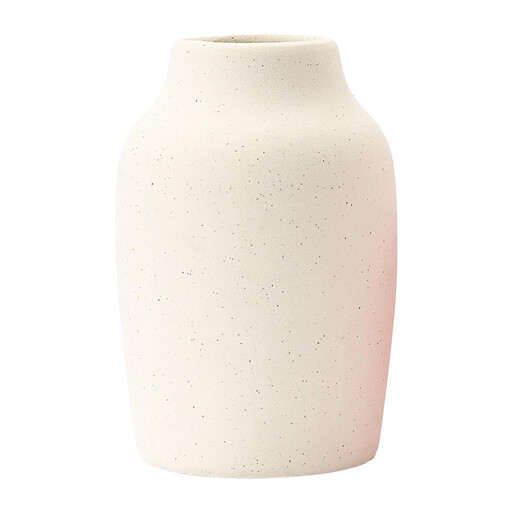
Why we love it: This terracotta-coloured bohemian vase in ceramic brings instant warmth. Its modest size is perfect for a shelf, console, or coffee table, ready to hold a few dried flowers or stand alone as a decorative piece.
Designed for indoor use, it doesn't need to be frost or UV-resistant. The focus is on the quality of the ceramic and the textured finish, ensuring lasting beauty in your living space.
Its neutral hue and classic shape allow it to fit seamlessly into rustic decor or add a touch of authenticity to modern living room decor.
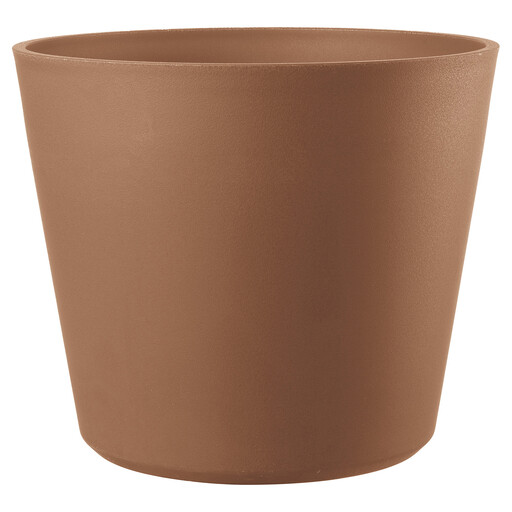
Why we love it: This pot is built for the outdoors. Made from recycled plastic, it combines a lightweight feel with robustness and an eco-conscious approach. Its 20 cm size is ideal for herbs or small flowers in a balcony flower pot.
It directly addresses durability issues: it's a certified frost-resistant pot and is UV-resistant. Furthermore, its removable plug gives you complete control over drainage, preventing root rot.
The versatile drainage (thanks to the plug) and its construction from recycled and recyclable materials make it both a practical and responsible choice.
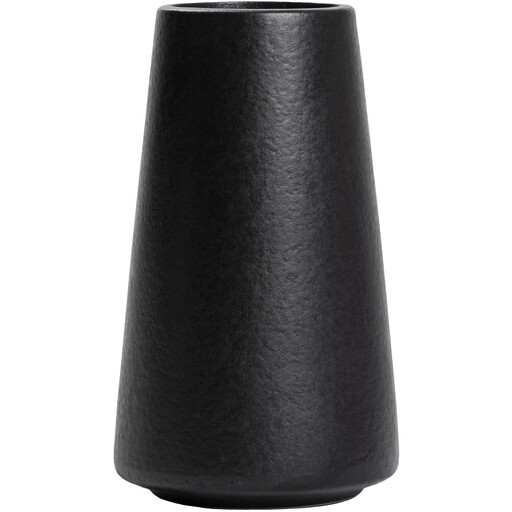
Why we love it: This modern vase in black porcelain embodies clean elegance. Its minimalist silhouette and matte finish make it a sophisticated decorative object, capable of elevating a bouquet of fresh flowers or making a statement on its own.
Its high-quality porcelain construction ensures it is waterproof, a crucial feature for a vase intended for fresh flowers. The matte finish is less prone to fingerprints than a glossy surface.
It is designed to hold water, which is not true of all decorative vases. Its versatility allows it to accommodate fresh flowers, dried arrangements, or even hydroponic plants.
If natural textures and artisanal finishes appeal to you, explore our complete selection of products that meet these same quality standards.
A truly frost-resistant pot is typically made from low-porosity or non-porous materials, such as high-quality injection-moulded plastic or certain ceramics fired at very high temperatures (stoneware). Rely on manufacturer specifications that sometimes indicate resistance down to a certain temperature (e.g., -15°C / 5°F). A simple label on a standard terracotta pot is often not a sufficient guarantee for the coldest winters.
For outdoor use, a pot without drainage is strongly discouraged, as rainwater will accumulate and suffocate the roots. For an indoor flower pot, it can be used as a cachepot (by placing a smaller, drilled pot inside) or by managing watering with extreme care. Models with a removable plug remain the safest and most versatile solution.
Porcelain is actually a very specific type of ceramic. The main difference lies in its manufacturing: porcelain is fired at a higher temperature, which makes it denser, harder, and non-porous, even without a glaze. A standard ceramic vase will often have a more rustic and porous appearance, while porcelain is associated with a finer, more delicate design and a modern vase style.