
Same-day & Next-day Delivery

Quality Guaranteed

Unlock Your Welcome Offers: FREE Delivery | Up to 80% OFF | Free 30-day JoyPlus trial
Download the APP
A designer flower pot can transform a room or a patio. But be warned: the wrong choice can quickly turn into a headache. Between marketing promises and real-world performance, it's easy to end up with a pot that cracks at the first frost, drowns your plants, or is simply a disappointment. As the Head of Product Recommendations at Joybuy, my mission is to help you navigate the options and make a choice that's stylish, smart, and sustainable.
Before you pull out your credit card, let's review the common and costly mistakes.
To avoid these disappointments, a few technical points are worth checking. They are your guarantee of a purchase that combines aesthetics with longevity for your garden and patio decor.
The choice of material has a direct impact on your pot's resilience, maintenance, and appearance.
Good drainage is non-negotiable. Water stagnating at the bottom of the pot is a surefire way to drown the roots.
Here are a few models that check all the boxes for specific needs.
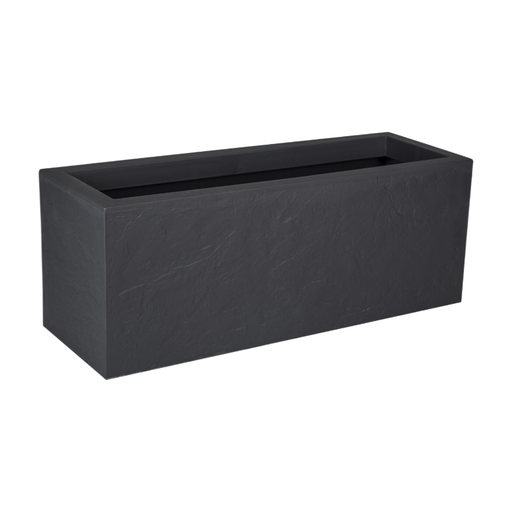
Why we love it: Perfect for making the most of every square foot on a balcony without sacrificing practicality. Its design is tailored for the constraints of city living.
Thanks to its water-retention zone, the chore of constant watering is a thing of the past. It sidesteps the "stylish but impractical" trap. Its double wall also provides better insulation for the roots.
Its double wall and water reservoir allow for less frequent watering. A real bonus for south-facing balconies.
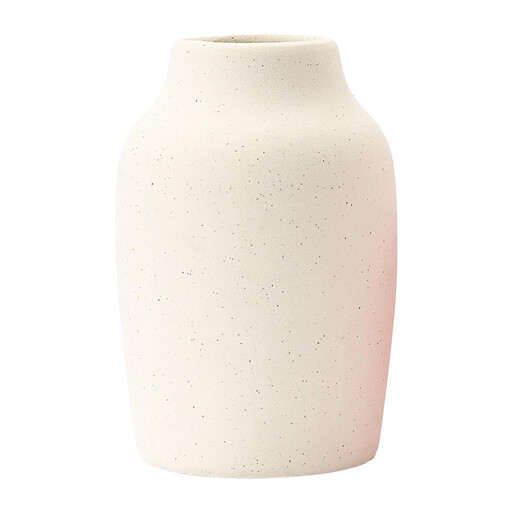
Why we love it: It's the perfect statement piece to add warmth to an interior. Its texture and terracotta hue blend beautifully into bohemian or modern farmhouse decor.
Made from quality ceramic, it doesn't fall into the trap of being a fragile or unstable "designer" object. Purely decorative, it's perfect for holding dried flowers or simply displayed as a sculpture.
Its distinct aesthetic and versatile size (17.8 cm) make it the ideal decorative object to adorn a shelf, console, or coffee table. It doesn't even need a plant!
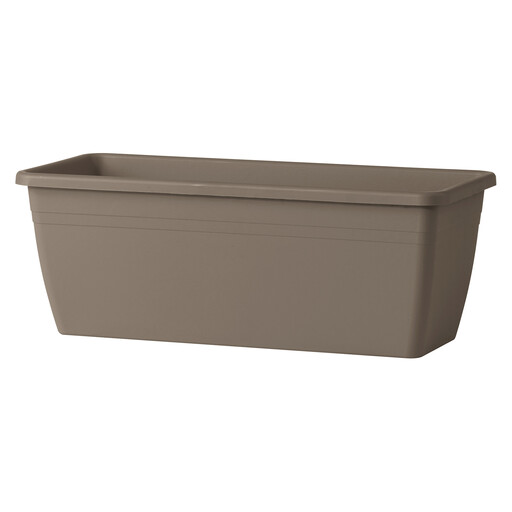
Why we love it: For those seeking a **frost- and UV-resistant outdoor flower pot** without compromising on sustainability. Its large 50 cm size is perfect for more substantial plants.
It tackles the "fake-resistant" pitfall head-on: DEROMA guarantees **frost and UV resistance**. Better yet, it's made from recycled and recyclable materials—a concrete and verifiable claim.
It combines durability (weather resistance), functionality (drainage hole), and an eco-friendly commitment. It's the peace-of-mind choice for the garden.
We've curated a complete selection of products that meet our standards for quality and durability.
1. How can I be sure a flower pot is truly frost-resistant? A quality frost-resistant pot is typically made from technical materials like UV-treated injection-moulded polypropylene, porcelain stoneware, or fibre cement. Be wary of thin, brittle plastics. A clear guarantee from the manufacturer (like those from EDA or DEROMA) is your best indicator. And remember: a drainage hole is essential to prevent water from stagnating, freezing, and shattering the pot.
2. Is a self-watering pot a good idea for all plants? No, and this is a classic mistake! This system is fantastic for plants that enjoy consistently moist soil (ferns, hostas, tropical plants...). However, it's a very bad idea for those that hate "wet feet" and need the soil to dry out between waterings, such as succulents, cacti, or Mediterranean plants (lavender, rosemary...). For them, nothing beats a classic terracotta pot with impeccable drainage.
3. For decor, what's the difference between ceramic and terracotta? Terracotta is a specific type of ceramic: it's porous (giving it its famous reddish-ochre colour), which allows roots to breathe but also makes it sensitive to frost and causes the soil to dry out faster. The term "ceramic" also includes materials fired at higher temperatures, like stoneware or earthenware. Often glazed, they become waterproof, are much more resistant to frost, and come in an infinite variety of colours and finishes. This is the case for a bohemian ceramic vase or a contemporary designer pot.