
Livraison le jour même ou le lendemain

Qualité garantie

Débloquez vos offres de bienvenue: Livraison GRATUITE | Jusqu'à -80 % | 30 jours d'essai gratuits à JoyPlus
Téléchargez l'application
More than just a light source, a floor lamp is a true statement piece. It sculpts the atmosphere of a room and puts a signature touch on your decor. But with a jungle of models, materials, and features, choosing the right designer floor lamp can quickly become a headache. How do you find that perfect gem that will fit seamlessly into your living room, bedroom, or office while meeting your specific lighting needs?
This guide is here to light the way. As the Head of Product Recommendations at Joybuy, I'm sharing my practical advice and a selection of models that have caught my eye, helping you make the right choice—without the marketing fluff.
Before diving into our selection, let's review the key points that will guide your choice.
The style of your floor lamp should harmonize with your existing decor.
What will be the main purpose of your floor lamp?
Don't forget to measure the available space. A lamp that is too imposing can overwhelm a small room, while a model that is too discreet will get lost in a large space. Consider the height of the fixture, as well as the diameter of its base and shade, to ensure perfect visual balance.
We have selected three models that stand out for their design, materials, and functionality.
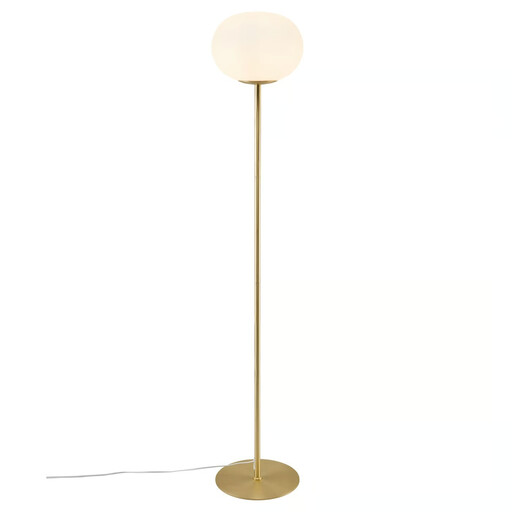
Why it stands out: The ALTON floor lamp is a perfect blend of Nordic minimalism and Art Deco opulence. Its hand-blown white opal glass globe rests on a slender brushed brass frame, creating a sculptural piece that catches the eye even when turned off. It diffuses a soft, even light, perfect for a cosy ambiance.
Key features:
Who is it for? For those looking to add a touch of sophistication and warmth to their living room or bedroom. It's the perfect choice for lovers of Art Deco design or anyone who wants a light fixture that is also a beautiful object.
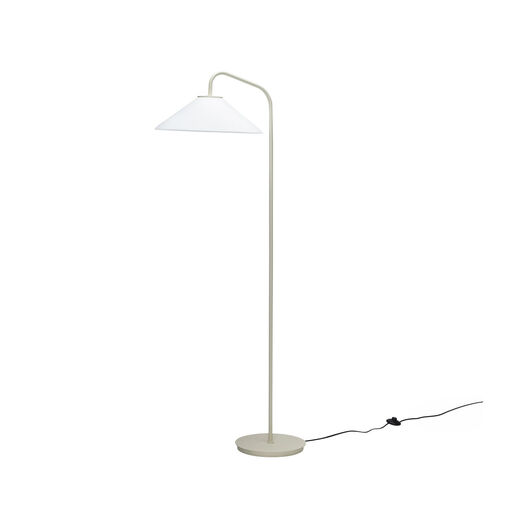
Why it stands out: The Solid floor lamp captivates with its minimalist aesthetic and sculptural silhouette. Handcrafted, it combines acrylic, glass, and metal in a unique sand-coloured finish that inspires calm and serenity. Its clean design makes it a strong yet understated piece that integrates easily into contemporary or Japandi-inspired interiors.
Key features:
Who is it for? Ideal for fans of minimalism seeking a luminaire with a subtle yet confident presence. Its neutral colour and organic shape are perfectly suited for interiors that favour natural materials and a soothing atmosphere.
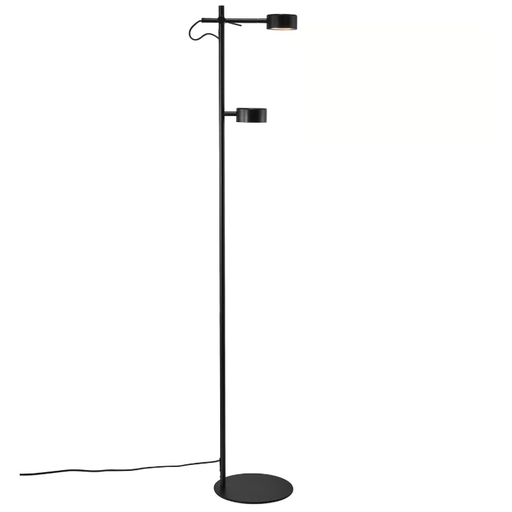
Why it stands out: The CLYDE model is the very embodiment of modern functionality. This floor lamp with an integrated LED combines a slim black metal design with advanced technical features. Its tilting head allows you to direct the light with precision, transforming it into an excellent reading floor lamp. The icing on the cake is its 3-step dimming function, which lets you adapt the lighting for any time of day.
Key features:
Who is it for? For those who prioritize technology and versatility. It will fit perfectly next to a sofa for reading, in an office as accent lighting, or in any room that requires a flexible and energy-efficient solution.
Haven't made your choice yet? Every interior is unique, and the perfect floor lamp for you might be waiting for you elsewhere. From industrial styles to more classic creations, we invite you to explore our full collection to find inspiration.
? Discover our entire collection of Floor Lamps
1. What is the ideal height for a living room floor lamp? As a general rule, for ambient lighting, the bottom of the lampshade should be at eye level when you are seated, which is between 100 and 110?cm from the floor. For a reading lamp, the light source should be positioned slightly above your shoulder to illuminate your book without casting a shadow.
2. Ambient vs. task lighting: what's the difference? Ambient lighting provides a general, soft light to create an atmosphere (e.g., a floor lamp with a diffusing shade). Task lighting is direct and focused, intended for a specific activity like reading or working (e.g., a reading lamp with an adjustable head).
3. Should I choose a floor lamp with an integrated LED? Yes, it's an excellent and increasingly common choice. Integrated LEDs consume far less energy than traditional bulbs, have a record-breaking lifespan (often over 20,000 hours), and allow for greater design freedom, liberating creators from the constraints of a traditional socket. The only drawback: the light source generally cannot be replaced once it reaches the end of its life.