
Livraison le jour même ou le lendemain

Qualité garantie

Débloquez vos offres de bienvenue: Livraison GRATUITE | Jusqu'à -80 % | 30 jours d'essai gratuits à JoyPlus
Téléchargez l'application
Limescale is the silent enemy lurking in our homes. More than just a matter of white marks on your taps, these mineral deposits attack the very heart of your home appliances. The result?? A drop in efficiency and breakdowns that can be costly. And when faced with overcrowded shelves, it's hard to know where to start and how to avoid common pitfalls.
Choosing a descaler isn't as simple as grabbing the first bottle you see. The wrong choice can prove ineffective or, worse, damage the very materials you're trying to protect. Here are the most common mistakes to avoid?:
To make the right choice, you need to understand a few key technical points. This will help you decode labels and find the perfect solution for your needs.
The first question to ask yourself is: what do you need to descale?
Active ingredients are the core of the product: they determine its effectiveness and scope of action.
The format plays a key role in ease of use and effectiveness.
To help you make a clear choice, we've matched user profiles with specific products designed to meet their needs while avoiding the classic pitfalls.
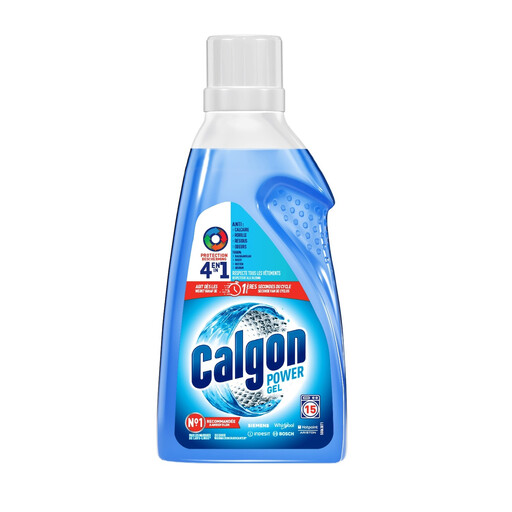
Why it's the right match : Perfect for those who want to protect their washing machine in the long run. Used with every wash, it prevents limescale build-up before it becomes a problem, ensuring the appliance's longevity and performance.
This isn't an aggressive shock treatment, but a specialised washing machine maintenance product. Its formula, based on polycarboxylates, softens the water in every cycle, protecting key components without damaging them.
Protects the heating element, drum, and pipes. It prevents breakdowns and the build-up of residue that causes bad odours.
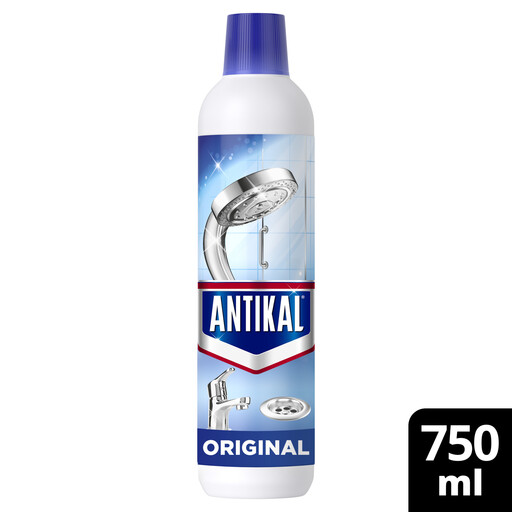
Why it's the right match : Designed for those battling stubborn limescale stains on taps, shower walls, and sinks. It's the targeted solution for restoring your bathroom's shine.
Its gel formula, specifically for bathroom use, clings to surfaces for targeted action without dripping. It's effective on limescale while respecting finishes like chrome, unlike an overly corrosive toilet cleaner.
Its clinging gel formula includes technology that helps prevent the reappearance of water marks, for a long-lasting shine.
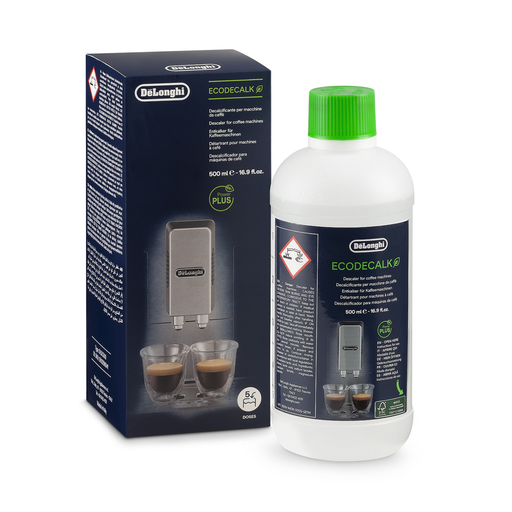
Why it's the right match : Essential for owners of bean-to-cup espresso machines who want to protect their investment and, most importantly, the quality of their coffee. Regular descaling is the key to great taste and performance.
It avoids the "universal" descaler trap with its formula based on plant-based lactic acid. This coffee machine descaler is tough on limescale while remaining gentle on the machine's delicate internal components.
A specific, manufacturer-recommended formula that preserves energy efficiency, the machine's lifespan, and, crucially, the coffee's aroma.
Discover our complete, up-to-date selection of products that meet our selection criteria and current regulations.
The frequency mainly depends on the hardness of your water and how often you use the machine. For a preventive product like Calgon gel, it's recommended to add it to every wash. For a curative treatment in powder or sachet form, using it every one to six months is usually enough to keep the appliance in good condition. In all cases, refer to the manufacturer's recommendations.
Absolutely not! This is a common and dangerous mistake. Toilet cleaners contain powerful chemical agents and disinfectants that are not food-grade. They can leave toxic residues in your kettle and damage its components. You must use a descaler specifically designed for food-contact appliances.
It all depends on the product's composition. Descalers based on very strong acids can disrupt the bacterial balance of your septic tank. Fortunately, many products are now formulated to be compatible. For example, L'Arbre Vert's Descaling Toilet Gel, which is Ecolabel certified, is advertised as safe for septic tanks. If this applies to you, always check for this information on the packaging before you buy.