People who only have hot water at work
If your break doesn’t leave you time to use a saucepan, check that the soup can simply be made with hot water. Then look at how much it makes and the preparation time shown on the sachet.


If you only have access to hot water at work, choose a soup that doesn’t need to be cooked in a saucepan. Then check how much it makes, how many portions it contains, and its salt and allergen information. A convenient sachet or noodle soup won’t necessarily be enough on its own for the lunch you have in mind.
If your break doesn’t leave you time to use a saucepan, check that the soup can simply be made with hot water. Then look at how much it makes and the preparation time shown on the sachet.
To choose a format for one or more lunches, compare the pack weight, the amount it makes and the number of bowls stated, rather than judging by the size of the sachet.
The exact recipe matters more than its general name. Check the nutritional information, ingredients list and allergen information on the packaging of the product you choose.
Start with the facilities available during your break. An individual portion may be made with hot water, while some sachet recipes need several minutes of cooking. Then check how much the soup makes and read the label.
| What to check | Points to consider | Who this matters to |
|---|---|---|
| Preparing it at work | Check whether hot water is enough or whether you’ll need a saucepan, as well as the stated preparation time. | Without a kitchen, I want to be able to make my soup during my break using the facilities available. Around 40% of consumers put ease of preparation first. |
| Amount prepared | Compare the volume per portion and the number of bowls stated for each sachet. | If I’m eating alone at work, I want a pack with portions I can use as intended. Around 30% of consumers prioritise the amount they can use. |
| Salt, ingredients and allergens | Compare the “salt” value on a like-for-like basis, then check the ingredients and allergen information for the exact product. | Before choosing a recipe, I need to know what it contains and be able to compare its salt content. For around 30% of consumers, the label is the main consideration. |
The Auchan range includes Royco sachets that each make 20 cl of soup. Depending on what else you have planned for lunch, this may work as a starter or an accompaniment.
Check how much soup the sachet actually makes and read the recipe details before deciding whether you’ll want something alongside it.
A vegetable or noodle soup may contain ingredients and allergens that aren’t obvious from its name. Anses also lists soups and broths among foods that contribute to salt intake.
Check the “salt” value, ingredients list and allergen information for the specific product you’re planning to buy.
A short preparation time doesn’t necessarily mean the soup can be made in a mug: some instructions require you to cook the mixture.
Read the instructions before you buy, and make sure you have the water, container and, if needed, saucepan required.
The retailer offers dehydrated soups under the Carrefour and Carrefour Classic’ ranges, including leek and potato and nine-vegetable varieties.
The brand offers noodle soups, as well as chorba and harira recipes.
Royco offers creamy and blended soups. The Auchan range includes several instant soups in packs of four 20 cl sachets.
This selection includes portions made with hot water and soups that need cooking. For lunch at work, start by choosing a product that suits the facilities you have, then consider the format and recipe.
 Image unavailable
The three-portion pack may suit you if you have access to hot water during your break.
Each stated portion is 20 cl: check whether this amount is right for your lunch. Also check the ingredients and allergen information on the packaging.
 Image unavailable
These individual portions are worth considering if you’re looking for a soup you can make with hot water at work.
The pack is marked “8 pieces”. Check how much water to add per portion and the allergens in this recipe before choosing.
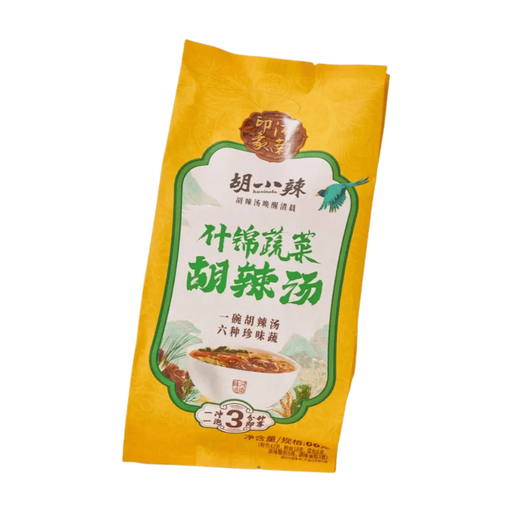 Image unavailable
This soup is worth considering if you can make a bowl with boiling water during your break.
The sachet states 66 g. Check how much water to add, how many portions it makes and the ingredients in the recipe.
 Image unavailable
This product is worth considering if you have access to a saucepan at work; you can’t make it simply by pouring hot water into a mug.
The product name states 69 g and 0.70 L. Check the cooking instructions and allergen information on the packaging before buying.
 Image unavailable
The Joybuy product page states a five-minute cooking time. Choose this soup for work only if you can follow its preparation instructions.
Check the packaging for how much water to add to the sachet, the volume per portion and the allergen information before preparing it.
It depends on the portion it makes and what you’d like to eat with it. An individual 20 cl sachet may work as a starter or an accompaniment. Check the volume and nutritional information for the recipe rather than judging by its name alone.
Compare the “salt” value for the same prepared quantity, then consider the portion you’ll actually eat. Anses lists soups and broths among foods that contribute to salt intake, so checking the label for each recipe gives you a more accurate comparison than relying on its general description.
Read the ingredients list and any warnings about traces for the exact product, even if you already know the brand. For pre-packed foods in France, the DGCCRF says that allergenic ingredients must be highlighted in the ingredients list.
Follow the storage instructions and check the date on the packaging. The Joybuy product page for Maggi beef, vermicelli and carrot soup says to store it in a cool, dry place. Check the instructions for any other recipe you choose.