Households making several bowls
If you’re serving soup to several people, compare the stated number of portions with the volume once prepared. Some sachets listed by Auchan for Knorr make three or four bowls, depending on the recipe.


If you want to prepare several bowls at once, start with the stated number of portions and the volume of soup once prepared, rather than relying on the packet weight or the words ‘jumbo size’. Smaller sachets make it easier to switch between recipes. Before stocking up, also check the ingredients, allergens and salt content of each product.
If you’re serving soup to several people, compare the stated number of portions with the volume once prepared. Some sachets listed by Auchan for Knorr make three or four bowls, depending on the recipe.
Smaller sachets let you switch between flavours without making several portions of the same soup. Carrefour, for example, offers an instant velouté in a pack of 4 × 20 g.
When choosing sachets to keep in the cupboard, you’ll want to check the ingredients, allergens and salt first. The ingredients can vary from one recipe to another, even within the same brand.
First decide how many bowls you want to make at a time, then compare recipes you’ll actually eat. A box of dehydrated soup mix and a multipack of tinned soups are different types of packaging for different needs.
| What to consider | What to check | Who it matters to |
|---|---|---|
| Portions and volume | Stated number of bowls and volume of soup once prepared; compare these with the size of the bowls you serve. | When I’m making soup for several people, I want to know whether one sachet will be enough for the meal I’m planning. Around 27% of consumers would put this yield first. |
| Ingredients and salt | Ingredients list, allergens, ‘may contain’ warnings and salt content in the nutrition information for the prepared soup. | If certain ingredients aren’t suitable for me, the exact recipe matters more than its name or format. Ingredients would be the top priority for around 33% of consumers. |
| Flavour and texture | Recipe type and whether it contains vermicelli or other ingredients that affect the texture. | For my winter meals, I’d rather mix up the flavours than stock several identical sachets. This would be the top priority for around 20% of consumers. |
| How much to buy | Compare formats using the same unit of measurement and check the best-before date before stocking up. | If I’m worried I won’t use all the sachets, I’d rather buy an amount that suits how much I’ll use. Around 20% of consumers would make this their top priority. |
A 61 g sachet listed by Auchan for Knorr makes 750 ml of soup and is stated to serve three bowls. These details don’t tell you how large the bowls you serve at home will be.
Before buying several sachets, compare the volume once prepared and the stated number of portions with how you usually serve soup.
A soup’s name isn’t enough to tell you what it contains. Carrefour, for example, lists wheat, celery and chicken ingredients in a Knorr chicken-in-the-pot recipe.
Check the ingredients list and allergen warnings for each product, including any ‘may contain’ statements.
Soups and broths are among the dietary sources of salt cited by Anses. The amount varies depending on the recipe and portion prepared.
Check the salt value in the nutrition information, then taste the soup before adding any more.
A sachet or box of dehydrated soup is made with water; it isn’t a tin of ready-made soup. The words ‘jumbo size’ alone don’t tell you how many bowls you’ll get.
If you’re looking for tinned soup, shop for that category separately. For dehydrated soup mix, check the portions and preparation instructions on the packaging.
The range includes vegetable and vermicelli, onion, and chicken-in-the-pot soups.
Royco offers a range of recipes and textures, including some labelled ‘Maxi Format’.
The MAGGI products listed by Carrefour include vermicelli, harira and chorba recipes.
Carrefour’s own-brand range includes dehydrated soups, including instant formats.
E.Leclerc’s product pages feature minestrone, tomato and vermicelli, and chicken-in-the-pot recipes under these brands.
These sachet mixes give you a choice between a 3 × 20 cl pack and recipes sold in individual sachets. If you’re making several bowls or want to try different flavours, check the volume once prepared and the ingredients of the product you choose.
 Image unavailable
A pack to consider if you’d like to divide the soup between several bowls.
The title states 3 × 20 cl. Check the preparation instructions to find out how much water to add.
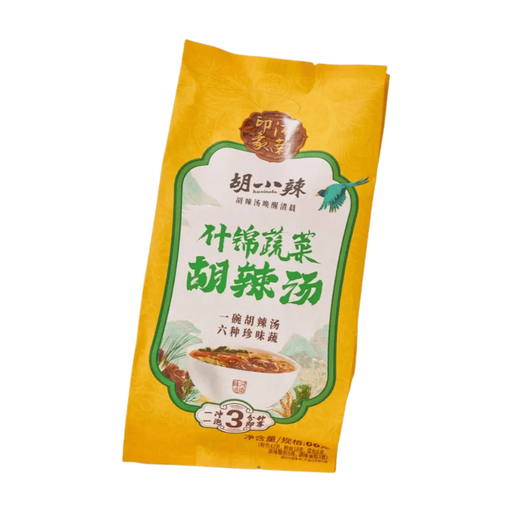 Image unavailable
This sachet is a good option if you’d like to try a spicy recipe without buying several identical sachets.
Stated weight: 66 g. Check the packaging for the number of portions before planning to serve it in several bowls.
 Image unavailable
A Chorba recipe to consider if you’d like to add variety to the soups in your cupboard.
Sachet weight: 85 g. To plan how much to serve, follow the preparation instructions and check how many bowls the sachet makes.
 Image unavailable
A Harira recipe to consider if you’d like to mix up your winter soups.
Sachet weight: 90 g. Check the preparation instructions and number of bowls before buying it for several meals.
Read the full ingredients list, any highlighted allergens and the ‘may contain’ warnings for the product you’ve chosen. A soup with a vegetable in its name isn’t necessarily suitable for every dietary restriction.
A best-before date passing doesn’t automatically mean a product is unsafe to eat. The DGCCRF says it may still be possible to use the product if the packaging is intact. Also check how it has been stored and the condition of the product.
Compare the salt content on the same basis, for example per 100 ml of prepared soup or per portion of the same size. Anses lists soups and broths among dietary sources of salt; the value for one recipe won’t apply to an entire range.
No. It refers to portions based on the suggested preparation, not the size of the bowls you serve or the rest of the meal. Compare the volume once prepared with your usual portions, and check the recipe’s ingredients and nutrition information.