People who prepare one bowl at a time
An individual portion lets you make the amount you need without opening a family-size sachet. When comparing two recipes, also check the volume once prepared, the ingredients and the salt content.


To stock your cupboard with dehydrated soups as part of your weight-management routine, choose individual portions if you make one bowl at a time, or a family-size sachet if you’ll be serving several portions. Then compare the nutritional information for the soup as prepared, portion sizes, salt and ingredients. The format alone isn’t enough to judge a recipe.
An individual portion lets you make the amount you need without opening a family-size sachet. When comparing two recipes, also check the volume once prepared, the ingredients and the salt content.
If several people will be having soup at the same meal, a family-size sachet may provide enough for everyone. Check how many portions the pack says it makes, and how much you’ll actually use.
A name such as ‘vegetable soup’ doesn’t tell you everything about allergens or the recipe. Check the ingredient list, any ‘may contain’ warnings and the nutritional information for the specific soup you’re choosing.
First, choose a format that suits the number of bowls you usually prepare. Then compare recipes based on the soup as prepared.
| What to consider | What to check | Who is it for? |
|---|---|---|
| Portion size and preparation | The number of portions, amount of water and preparation method given for the recipe. | If I want to make just one bowl without opening a larger pack, I choose a portion size that suits how I use it. Around 29% of consumers say portion size and preparation are their top priorities. |
| Nutrition once prepared | Nutritional information per 100 ml as prepared and per serving, particularly energy and salt. | If I’m comparing what will actually be in my bowl, the figures for the dry powder aren’t enough. Around 29% of consumers say the nutritional content of the prepared soup is their main priority. |
| Cupboard-friendly format | The number of bowls the pack makes, the date on the packaging and storage instructions. | I want to keep sachets for several meals without making more than my household will eat. For around 24% of consumers, the number of usable portions and storage come before other considerations. |
| Ingredients and allergens | The ingredient list, highlighted allergens and any ‘may contain’ warnings for the exact product. | If certain ingredients don’t suit my diet, I need to be able to spot them before choosing a recipe. Checking the ingredients is the main priority for around 18% of consumers. |
This claim doesn’t tell you everything about the recipe or how much you’ll eat. Auchan’s product listing for Maggi onion soup also states that a prepared 315.3 ml portion contains 1.6 g of salt.
Compare the nutritional information per portion with the ingredient list, rather than choosing based on a single claim on the front of the pack.
Two sachets with different weights may make different volumes of soup and different numbers of portions. Dry weight alone doesn’t tell you how many bowls you’ll get.
Compare the volume made and the stated number of portions with the size of the bowls you usually serve.
Carrefour’s product listing for Knorr 9 Vegetables soup includes wheat, milk and chicken fat, among other ingredients. So the word ‘vegetables’ alone doesn’t tell you whether it contains allergens or ingredients of animal origin.
Read the ingredients and allergen information on the packaging of the product you’re buying, even if you already know its name.
Soup that needs to be reconstituted, ready-to-eat liquid soup and tinned soup can’t be compared by pack weight alone. Carrefour lists liquid and dehydrated soups in separate categories, for example.
If you’re looking for a larger pack or multipack to keep in the cupboard, first check what type of product it is. Then compare the nutritional information on a consistent basis, either as prepared or ready to eat.
Family-size sachets, including vegetable, vermicelli and onion recipes, advertised as making several portions.
Instant soups in individual portions. Auchan lists products in packs of four 20 cl sachets, for example.
A range of dehydrated soups, including a 9 Vegetables recipe listed in Carrefour’s category.
Own-brand soups in sachets, including Regal Soupe and Eco+ products listed by E.Leclerc.
These soups are designed to be made one portion or sachet at a time. If you’re comparing them as part of your weight-management routine, check the nutritional information for the bowl you’ll actually prepare.
 Image unavailable
The pack of three portions is handy if you make one soup at a time. Check the amount served and the nutritional information per bowl.
Makes three stated portions of around 20 cl each. Check the ingredients and allergen information for this recipe before buying.
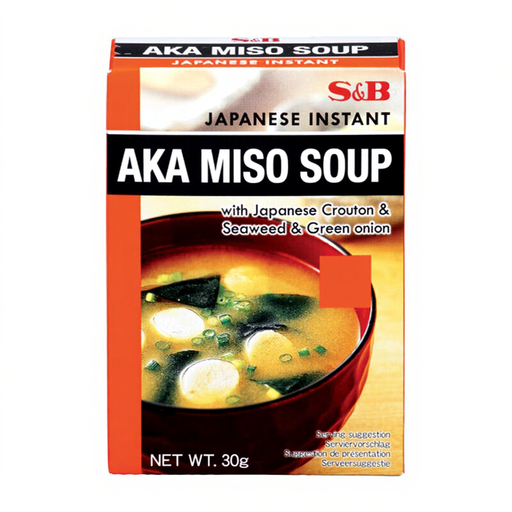 Image unavailable
Before comparing this reconstituted soup with another sachet, check how much water to add and the portion size it makes.
30 g pack. Check the ingredients and nutritional information for the prepared portion before choosing.
The label ‘dehydrated soup’ alone doesn’t mean it can be considered a complete meal. Anses notes that a balanced diet provides a range of macro- and micronutrients, so consider the soup’s nutritional content as part of your meal.
To compare the bowls you’ll be eating, use the figures per 100 ml of soup as prepared and per serving, taking the stated amount of water into account. Auchan’s listing for Maggi tomato and vermicelli soup gives 0.55 g of salt per 100 ml as prepared and 1.5 g per 267.5 ml portion.
No. Santé publique France says that displaying it is voluntary for producers. If it appears on the packaging, read it alongside the nutrition declaration, portion size and ingredient list rather than treating it as a verdict on the product.
Read the ingredient list and highlighted allergens on the packaging for the exact recipe, as well as any ‘may contain’ warnings. The DGCCRF explains the labelling rules for prepacked foods; a flavour name isn’t a substitute for this information.
Check the date and storage instructions on each pack, then work out how many portions you’ll actually prepare. The DGCCRF distinguishes between a best-before date and a use-by date. After opening or preparing the soup, follow the product’s own instructions.