If you’re serving the same soup to several people on Sunday, start by choosing a sachet that states the number of portions and the amount of water needed. If not everyone wants soup, a multipack of individual portions lets you prepare each bowl separately. In either case, check the ingredients, allergens and salt content of the recipe you choose.
Who are these formats for?
People hosting several guests on a Sunday
If you’re serving one hot starter for everyone, check the stated number of portions and the amount of water needed. A sachet labelled as family-sized doesn’t mean you can skip checking how much soup it makes.
Households that keep soup in the cupboard
If you’re stocking up, compare the packet weights, how many portions they make, preparation instructions and storage requirements, rather than relying on the recipe name alone.
People keeping an eye on salt and allergens
Ingredients vary by recipe. Before serving, check the ingredients list, any declared allergens and the nutritional information on the pack you’ve bought.
What should you check before choosing?
For a meal with several people, first work out how much soup you’ll need, then decide between preparing one batch for everyone or making individual bowls. Next, check the label for each recipe: the format alone tells you nothing about its ingredients.
| Criteria |
What to check |
Who it matters to |
| Amount to serve |
Stated number of portions and amount of water needed. |
I want to serve the same soup to everyone at the table without running short. Around 33% of consumers would rank the amount to serve as their top concern. |
| Flexible portions |
Number of sachets and how much soup each sachet makes. |
Some guests may not want soup, or may prefer a different recipe. This flexibility would be the priority for around 25% of consumers. |
| Ingredients |
Ingredients, declared allergens and salt content, compared on a like-for-like basis. |
Before choosing a format, I need to know whether the recipe suits the people at the table and compare the labels. Around 25% of consumers would prioritise the ingredients. |
| Storage |
The date on the packet and storage instructions, especially after opening. |
I plan to keep sachets in the cupboard for another meal and want to know how to store them. This would be the main concern for around 17% of consumers. |
Mistakes to avoid
-
Assuming what’s in a soup from the name ‘vegetable’
A product name doesn’t tell you the proportion of each ingredient. For example, Carrefour lists 52% potato and 17% carrot in its Carrefour Classic' 9-vegetable dehydrated soup.
Read the ingredients list for the specific recipe, including the proportions given for any highlighted ingredients.
-
Adding salt before tasting
The soup and its accompaniments can both contribute to the salt in your meal. Salt content varies between products.
Check the ‘salt’ line in the nutritional information and taste the prepared soup before adding any more.
-
Assuming a recipe is suitable for everyone
Depending on the product, dehydrated soups may contain ingredients such as wheat, milk or celery, or carry a warning about possible traces of allergens.
Check the pack of the product you’ve bought before serving, including any ‘may contain’ warnings.
-
Confusing a multipack with a family-sized quantity
A packet containing several sachets won’t necessarily make enough soup for everyone at the table. For example, a ROYCO multipack of three 20 cl sachets makes 600 ml in total.
Work out how much soup the whole packet makes, then compare it with the number of bowls you want to serve.
Brands and retailers to know
MAGGI
The range includes dehydrated soups designed for family servings, including a vegetable and vermicelli recipe listed as serving four in Auchan’s range.
- Carrefour also describes a 65 g organic chicken, vermicelli and carrot recipe that takes five minutes to prepare.
- This recipe contains wheat and may contain celery, eggs and milk: check the warnings on the product you choose.
ROYCO
The range includes individual soup sachets, which are useful when guests don’t all want the same amount.
- Separate sachets let you prepare portions as and when you need them.
- If you’re serving several people, add up the volume from all the sachets and check the ingredients in each recipe, including the croutons.
Carrefour Classic'
This own-label brand offers a 105 g sachet of dehydrated 9-vegetable soup, among other products.
- Carrefour’s product information lists the ingredients in this recipe, so you can look beyond the name.
- Check the packet for the number of portions, preparation instructions and allergens for the recipe you’ve bought.
Régal Soupe / Marque Repère E.Leclerc
E.Leclerc’s sachet soup range features several Marque Repère recipes, including soups and veloutés.
- The range of recipes gives you the chance to compare portion information and ingredients.
- Check the details for the exact product and whether it’s available at the store where you plan to buy it.
Auchan
The retailer stocks family-sized dehydrated soups from various brands, including products labelled as making three or four portions.
- Product listings let you compare formats and preparation instructions across several recipes.
- Auchan is the retailer presenting these products here, so check the yield and ingredients for each recipe individually.
Soups and mixes available on Joybuy
These products suit different needs: individual portions to prepare separately, a spicy soup for one bowl, or a dry mix to cook with other ingredients. If you’re serving several people on a Sunday, compare how much each makes and how it’s prepared before choosing.
 Image unavailable
ROYCO Noodle soup with carrot and mushroom, 3 × 20 cl
The separate sachets are handy if you only want to prepare the bowls people ask for. The pack makes 600 ml of soup, or around three portions; check whether that’s enough for everyone at your table.
The product description lists gluten, celery, milk and chicken, as well as 0,91 g of salt per 100 ml of prepared soup. Check the pack before serving.
View on Joybuy
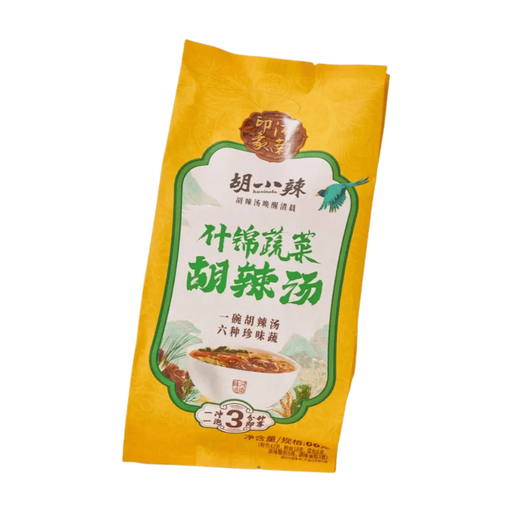 Image unavailable
Haoxiangni Spicy soup with mixed vegetables, 66 g
This soup is intended to be prepared in a bowl rather than served as one batch for everyone. The instructions call for around 400 ml of boiling water and a standing time of three to five minutes. If you’re hosting several people, check how many bowls the packet makes.
The description lists gluten, soya and sesame, as well as a sweetener. Check the information on the pack you’ve bought.
View on Joybuy
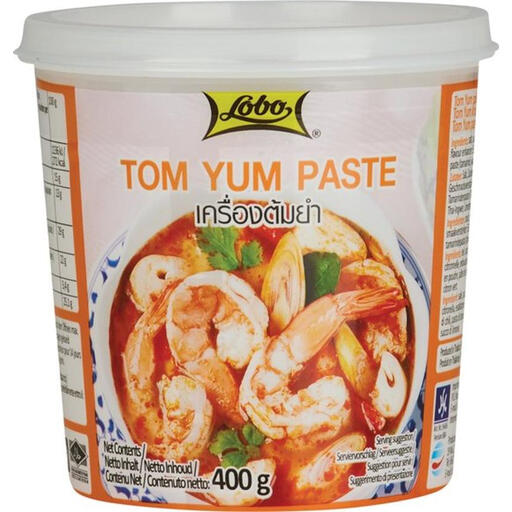 Image unavailable
Lobo Tom yum soup mix, 400 g
This 400 g dry mix is a good option if you want to cook a soup with additional ingredients, rather than simply rehydrate ready-to-serve portions. The instructions call for two to three tablespoons of mix per 500 ml of water, followed by cooking with the added ingredients. Check how much you’ll need for everyone at the table.
Once opened, the description says to store it in the fridge and use within 14 days. The salt content given per 100 g of mix isn’t directly comparable with that of the prepared soup.
View on Joybuy
Frequently asked questions
How can I tell if one sachet will be enough for Sunday lunch?
Compare the stated number of portions and the amount of prepared soup with the number of bowls you plan to serve. The weight of a dry sachet or the words ‘family-sized’ aren’t a substitute for the preparation instructions.
What should I do if a guest needs to avoid an allergen?
Check the pack of the product you’ve bought before preparing or serving it. The DGCCRF states that allergenic ingredients must be highlighted in the ingredients list on prepacked foods. Also check for any ‘may contain’ warnings.
Should you add salt to dehydrated soup?
Don’t automatically add salt: follow the recipe instructions and taste the soup once it’s ready. To compare two products, check their salt content on a like-for-like basis, distinguishing between the dry mix and the prepared soup.
Is the Nutri-Score enough to compare two soups?
No. If shown, the Nutri-Score can help you compare products in the same category, but it doesn’t replace checking the ingredients and nutritional information. Manger Bouger explains that displaying it is voluntary.


