People equipped to make hot soup
You can bring water that’s hot enough or use a heat source in the park. Even so, check the sachet instructions: a recipe that needs simmering can’t be made simply by pouring in water from a flask.


For a picnic in the park, choose a dehydrated soup only if you can follow its preparation instructions. Depending on the recipe, hot water alone may not be enough and you may need to cook it in a saucepan. Individual sachets make it easier to measure out portions for a small group. Before you set off, also check how much water you’ll need and the ingredients in the exact recipe you’re buying.
You can bring water that’s hot enough or use a heat source in the park. Even so, check the sachet instructions: a recipe that needs simmering can’t be made simply by pouring in water from a flask.
You only want to make as many portions as you need. Individual sachets, such as the Royco pack of three 20 cl sachets listed by Carrefour, give you a useful serving size to compare with the number of people in your group.
You need to check the ingredients before choosing a flavour. Carrefour’s soup listings show that declared allergens vary by recipe, including wheat, milk and celery.
Start with the preparation method, as this determines what equipment you’ll need to bring. Then choose a format to suit the portions you want and read the label for the recipe you’ve picked.
| Criteria | What to check | Who it matters to |
|---|---|---|
| Preparing it in the park | The temperature and amount of water required; whether you’ll need a saucepan and how long it needs to cook. | I want to be able to make the soup with the equipment I’m bringing, without discovering in the park that it needs to simmer. Around 31% of consumers would put ease of preparation first. |
| Individual portions | The number of sachets, the volume per portion and how much you need to make at once. | For a small group, I’d rather open only the portions that will be eaten. This flexibility would be the top priority for around 25% of consumers. |
| Yield per sachet | Net weight, stated prepared volume and the number of bowls needed for your group. | If several people want soup, I want to know how many servings a sachet makes and how much water to bring. Around 25% of consumers would put yield first. |
| Ingredients and labelling | Ingredients, declared allergens and traces; nutritional information and the date printed on the exact pack. | If I need to take dietary restrictions into account, the flavour name isn’t a substitute for reading the label. This would be the top criterion for around 19% of consumers. |
Instructions vary by recipe. Carrefour’s listing for Knorr 9 Vegetables soup calls for 750 ml of boiling water followed by three minutes of simmering; Maggi Chicken Vermicelli soup is listed as ready in four minutes.
Choose your recipe after deciding how you’ll carry hot water or cook it, and follow the instructions on its packaging.
A name such as “vegetables” or “poultry” doesn’t tell you everything that’s in the recipe. According to Carrefour’s listings, some of the recipes mentioned contain wheat, milk or celery, among other ingredients, and may flag other possible allergens.
Read the ingredients list and any warnings about traces on the pack for the variant you’ve chosen, even if you already know the brand.
Unprepared dehydrated soup and chilled or frozen foods have different transport requirements. Anses recommends maintaining the cold chain for chilled and frozen foods.
Follow the storage instructions for each food: use a cool bag for anything that needs to stay cold, and bring the right equipment to prepare the soup.
A supermarket own brand whose range of dehydrated soups includes vegetable recipes in sachets.
Instant soups, including individual sachets.
Dehydrated soups, including vermicelli recipes.
These Joybuy products include sachets that can be prepared individually, as well as soups intended to be made in larger quantities. For the park, choose according to the number of portions you want and the preparation instructions on each pack.
 Image unavailable
Worth considering if you want several people to prepare their own portions. The product name states that it contains eight pieces; check the pack for the amount of water needed for each one and any declared allergens.
 Image unavailable
Worth considering if you can make soup in a saucepan for several people. The product name states 69 g and 0.70 L; check the cooking instructions on the pack before deciding what equipment to bring.
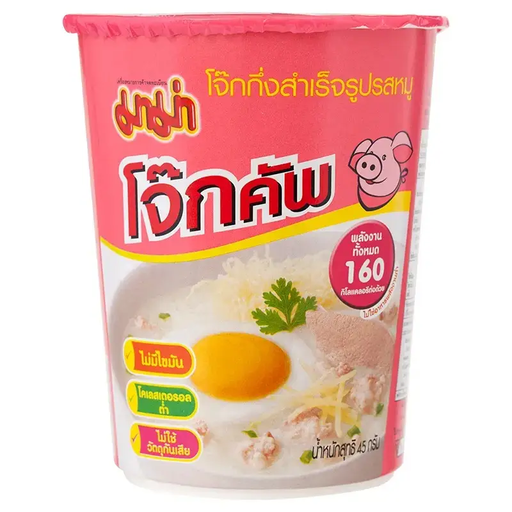 Image unavailable
Worth considering if you’ll have hot water available to prepare this porridge-style soup. The pack is listed as 45g; check its instructions and the number of portions before choosing it for your group.
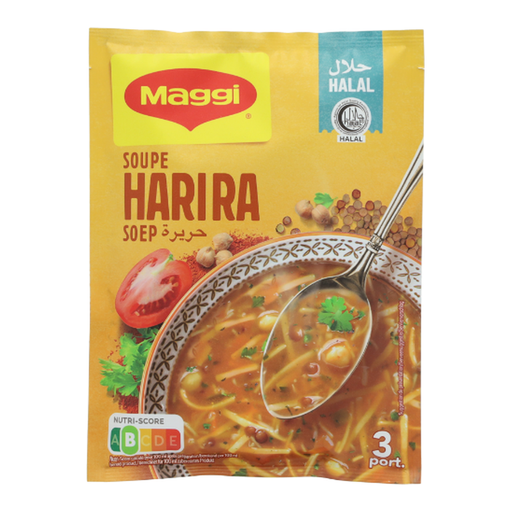 Image unavailable
Worth considering if you have a way to heat the soup in the park. The sachet is listed as 90 gr; check the pack for the total amount of water, number of portions and cooking time before you set off.
 Image unavailable
Worth considering if everyone wants to prepare their own portion. The product name states that it contains three 20cl portions; read the pack for instructions on using hot water and details of allergens in this recipe.
Not if the recipe you’ve chosen requires hot water or cooking. Carrefour’s listing for Knorr 9 Vegetables calls for 750 ml of boiling water and three minutes of simmering. If you don’t have the right equipment, choose a ready-to-eat food rather than changing the preparation method.
Follow the storage instructions printed on the sachet; don’t automatically apply the same rules as for chilled food. If your picnic also includes chilled or frozen products, Anses recommends maintaining the cold chain during transport.
Read the ingredients and any highlighted allergens on the packaging for the exact recipe. The DGCCRF outlines the labelling rules for pre-packed foods; Carrefour’s soup listings include recipes containing wheat, milk or celery, for example.
Read the date statement actually printed on the product. The DGCCRF distinguishes between a use-by date, worded “use by”, and a best-before date, worded “best before”. Don’t assume which one applies to a particular recipe without checking its packaging.