What should you look at first?
Start by deciding whether the person will prepare one bowl or several portions, then compare the values for the amount actually served. Information per 100 g of powder and information per prepared bowl relate to different amounts of food consumed.
Individual sachet
Consider this: when someone is making a small bowl on their own and wants to prepare one portion at a time.
Bear in mind: the convenient format alone tells you nothing about the nutritional value of the bowl.
Family-size sachet to cook
Consider this: if several bowls will be eaten or a carer is preparing the meal.
Bear in mind: you’ll need the right equipment and should follow the instructions for the portions you prepare.
| What to consider |
What to check |
Who is this for? |
| How it fits into a meal |
Check the protein per prepared portion and consider the soup as part of a full meal, rather than as a bowl on its own. |
When my appetite is poor, I want to avoid letting a convenient bowl stand in for a meal without looking at what I’ll eat with it. Around 36% of consumers would put this need first. |
| Salt and allergens |
Compare the salt content for the amount served, and read the ingredients, allergens and any possible traces listed for the specific recipe. |
If I need to follow advice about salt or avoid an ingredient, the recipe’s suitability matters more than its name. This would be the priority for around 29% of consumers. |
| Preparation and portions |
Check the amount of water, equipment needed, preparation time and number of portions. |
If I’m making a small amount on my own, I need a format and preparation steps that genuinely work for me. Around 21% of consumers would prioritise this convenience. |
| Stocking up and storage |
Check the best-before date, instructions for use after opening and how much you’ll use. |
If I keep a few sachets in the cupboard, I want to use them without making more bowls than I need. This would be a priority for around 14% of consumers. |
Brands to know when comparing recipes
These examples show why it’s important to compare specific recipes and portions: a brand or retailer alone can’t guarantee that a product’s ingredients will suit the person.
Maggi
Auchan lists the 60 g Maggi organic vegetable and vermicelli soup as serving four people, with a cooking time of 5 minutes.
- The Auchan product page gives the preparation method and nutritional values per 250 ml prepared.
- This recipe contains 1.6 g of salt and 1.3 g of protein per 250 ml. Check how it fits into the meal and take any individual dietary advice into account.
Royco
The Royco instant 12-vegetable soup listed by Auchan is prepared in a bowl with 200 ml of boiling water and left to stand for 2 minutes.
- The individual portion makes it easy to prepare one bowl at a time.
- For this recipe, Auchan lists 1.4 g of salt and 0.7 g of protein per 200 ml bowl. Check the allergens before buying.
Carrefour
Carrefour’s range includes dehydrated soups in different recipes and formats.
- The product pages let you check the ingredients and allergens for the product you choose.
- The Carrefour creamy vegetable soup shown on its product page contains dairy ingredients, among other things. The word ‘vegetable’ isn’t enough to tell you whether it’s suitable for someone’s diet.
Regal Soupe (Marque Repère E.Leclerc)
E.Leclerc product pages feature several sachet recipes, including minestrone and cream of asparagus soup.
- Some product pages list nutritional values per 100 ml of prepared soup.
- According to E.Leclerc, the minestrone contains 0.9 g of salt per 100 ml prepared, compared with 0.5 g for the cream of asparagus soup. Compare each recipe separately.
Auchan
The retailer sells instant soups and sachets to cook from a range of brands.
- The product pages for the Maggi and Royco soups mentioned here let you compare their preparation methods.
- The retailer’s product range doesn’t replace checking the nutritional information and allergens for each recipe.
Lidl
If you’re buying soup as part of your usual shop, choose based on the specific product available.
- Lidl’s range is updated regularly, so check its catalogue or look at the product in store when you shop.
- Before stocking up on a soup, read its label and check its best-before date and preparation instructions.
Soups and meal options available on Joybuy
These products include dehydrated soups and noodle soups that can be prepared in portions. If you’re choosing a cupboard staple for an older person, compare the format with their usual preparation habits and check the label on the specific variant you buy.
 Image unavailable
Royco Carrot and Mushroom Noodle Soup, 3 × 20 cl
The three sachets make it easy to prepare one bowl at a time. Check the amount of water stated on the packaging, along with the allergens and nutritional values for the prepared portion.
View on Joybuy
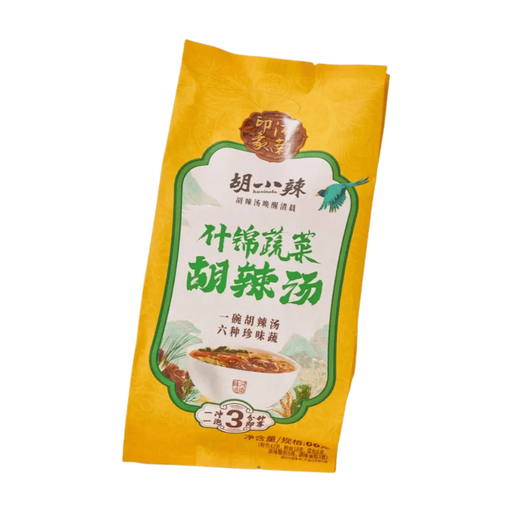 Image unavailable
Haoxiangni Spicy Vegetable Soup, 66 g
This 66 g recipe may suit someone who enjoys spicy soup. Read the preparation instructions and distinguish between the nutritional values for the dry product and those for the amount that will be served.
View on Joybuy
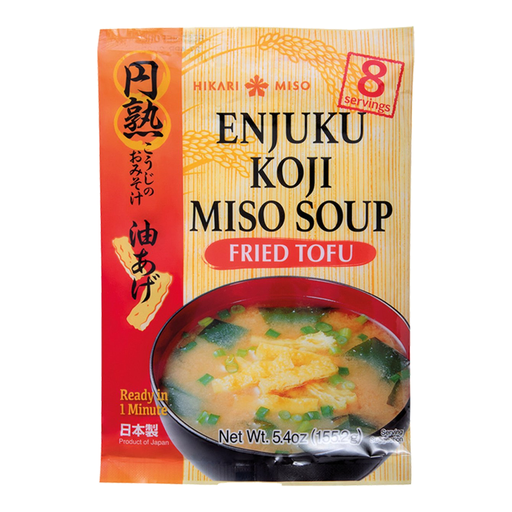 Image unavailable
Hikari Miso Enjuku Miso Soup Aburaage, 155.2 g
This miso soup is another option to consider for your cupboard. Check the packaging for this variant to find out the number of portions, ingredients and nutritional values before comparing it with a single-bowl soup.
View on Joybuy
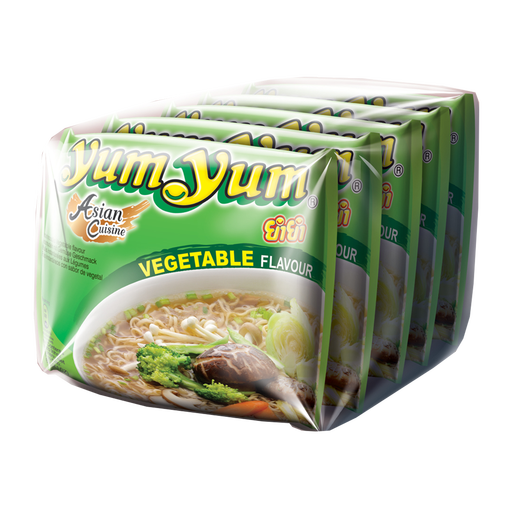 Image unavailable
Yum Yum Vegetable Noodle Soup HL, 5 × 60 g
This pack of five noodle soup portions may be suitable if separate sachets match the amount you expect to use. Check the instructions for the amount of water and preparation method, along with the allergens in the recipe you buy.
View on Joybuy
Frequently asked questions
Can dehydrated soup replace a meal for an older person?
Don’t assume that one bowl is enough for a meal, especially if the person has a small appetite. Manger Bouger points out that nutritional needs don’t necessarily decrease after the age of 75. Look at what they actually eat with the soup, and ask a healthcare professional for advice if their food intake becomes insufficient.
Does reconstituted soup count towards your drinks for the day?
Soup provides water once prepared, but you should still keep an eye on the drinks someone has throughout the day. Manger Bouger highlights that the sensation of thirst can decrease with age. Take account of any fluid restriction prescribed for the person.
What should you check on a soup label before buying?
Check the ingredients and allergens, nutritional values, quantity, date and preparation method for the product you’ve chosen. When comparing salt or protein, pay particular attention to whether the values are given per 100 g of dry product, per 100 ml prepared or per portion.
How do you choose a soup to keep in the cupboard?
Choose an amount you’ll be able to use, and follow the best-before date and storage instructions on each pack. After opening or preparing the soup, follow the instructions for that specific product rather than treating reconstituted soup like a dry sachet.


