Choose individual sachets if your guests would like different flavours or you’re preparing each bowl separately. A multi-portion sachet is a good choice when everyone is sharing the same recipe. For a global food evening, look beyond the recipe name at the ingredients, then check the portions, preparation instructions and allergens for each product.
Who are these formats for?
Hosts who want to offer a choice of flavours
If everyone wants to choose their own flavour, separate sachets let you prepare each bowl individually. Carrefour France, for example, lists a Royco box containing three sachets, each making 20 cl of soup.
Groups sharing the same recipe
A soup prepared in a saucepan is a good option when everyone wants the same starter. Auchan France, for example, says that a 50 g sachet of Maggi Japanese soup serves three people and is prepared with 750 ml of water in six minutes.
Guests with allergies to consider
Before choosing a recipe with noodles or croutons, check the label on the product you plan to serve: the allergens listed vary from one product to another. Have an alternative starter ready if a soup isn’t suitable for one of your guests.
What should you look for?
First, work out how many bowls you need and whether you’d like to offer a choice of flavours. Then compare recipes that suit your guests and check how long they’ll take to prepare and serve.
| What to consider | What to check | Who is this for? |
|---|
| Flavour and ingredients |
Look for the noodles, mushrooms and herbs listed, and check that the recipe suits your menu and your guests’ tastes. |
If the theme centres on a starter with particular flavours, the geographical name alone isn’t enough for me: I want to know what’s in it. Around 29% of consumers put this match between flavours at the heart of their choice. |
| Portions and variety |
Compare the number of sachets, how much soup each sachet makes and the stated number of portions. |
If not everyone wants the same soup, I prefer to be able to prepare each bowl separately. This flexibility is the main priority for around 21% of consumers. |
| Allergens and ingredients |
Read the ingredients and allergen information on the packaging of each recipe you’re considering. |
If a guest needs to avoid an ingredient, I need to choose the soup based on its label before thinking about its flavour or format. Ingredients come first for around 29% of consumers. |
| Preparation and leftovers |
Check how much water you need, how to prepare the soup and how much it makes. |
To serve the planned number of bowls without making too much soup, I want to know how many portions it makes and have the right equipment to hand. Around 21% of consumers prioritise this aspect of serving. |
Mistakes to avoid
-
Assuming “global cuisine” means a traditional recipe
Names such as Thai, Chinese or Japanese suggest certain flavours, but ingredients vary from one product to another.
Choose soup based on its ingredients and present it as a starter inspired by those flavours, without assuming it recreates a traditional recipe.
-
Assuming a vegetable soup is suitable for everyone
The products reviewed list different allergens, particularly in the noodles and seasonings.
Check the packaging of the product you buy and have an alternative starter ready if its ingredients aren’t suitable for one of your guests.
-
Confusing an individual sachet with ready-to-drink soup
An individual sachet contains a dehydrated soup mix, so you’ll still need to follow the instructions to make a bowl of soup.
Before your evening, check how much water you’ll need, the preparation time and the equipment required for each recipe.
Brands to compare
Royco
For individually prepared bowls, Carrefour France lists a noodle, vegetable and coriander recipe in a box of three 20 cl sachets.
- Each sachet makes one portion.
- Check the ingredients and allergens in the recipe you choose; individual packaging doesn’t guarantee that it’s suitable for everyone.
Maggi
Some sachet recipes are listed as serving three people, including a Japanese soup featured by Auchan France that uses 750 ml of water and takes six minutes to cook.
- The serving information and preparation instructions make it easier to plan a shared meal.
- Check the ingredients and allergens for each recipe rather than making assumptions based on the brand.
Knorr
Carrefour France lists dehydrated soups with Thai, Chinese and Indonesian-inspired names, with combinations of noodles, vegetables and herbs that vary by recipe.
- The listed ingredients make it easier to compare different flavour profiles for your evening.
- Check each label for allergens, and don’t assume how spicy a recipe is from its name alone.
Carrefour
Carrefour’s own-brand range includes dehydrated soups, including some more traditional recipes.
- These recipes give you another option to compare if your guests don’t all want the same flavours.
- Check the ingredients before choosing a product for a themed menu.
Marque Repère / Regal Soupe
E.Leclerc lists Marque Repère soups in sachets as well as dehydrated Asian noodles. A sachet soup and noodles that need to be prepared aren’t necessarily the same type of product.
- Knowing the difference between these categories helps you find the starter you’re looking for.
- Check the product name, ingredients and preparation instructions for the one you choose.
Joybuy products for your evening
These soups and noodle broths offer options to prepare individually or share. Check the exact product category, ingredients and preparation instructions before adding each one to your menu.
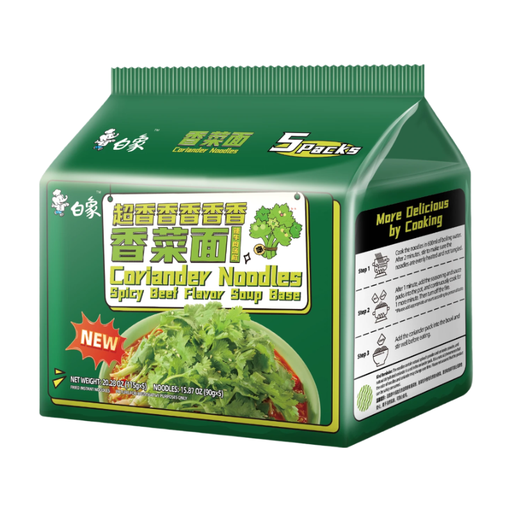 Image unavailable
Bai Xiang Cilantro Noodles, Spicy Beef Soup Base, 5 × 90 g
Worth considering if you’d like to serve noodles in a spicy beef and coriander broth. The pack contains five 90 g portions; check the preparation instructions and allergens on the packaging before serving.
View on Joybuy
 Image unavailable
Knorr Thai Noodle Soup with Mushrooms, 2 Assorted, 69 g, 0.70 L
A Thai-inspired noodle and mushroom soup. The title lists a 69 g sachet and 0.70 L; check which flavour the “2 Assorted” label refers to, as well as the label on the product you choose.
View on Joybuy
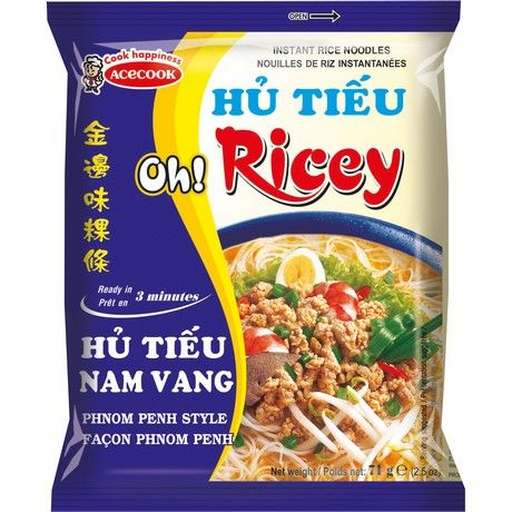 Image unavailable
Oh Ricey Instant Rice Noodles Nam Vang, 71 g
A rice noodle option to consider if you’d like to offer a variety of bowls during your evening. The pack states 71 g; check the ingredients and cooking instructions before planning how you’ll serve it.
View on Joybuy
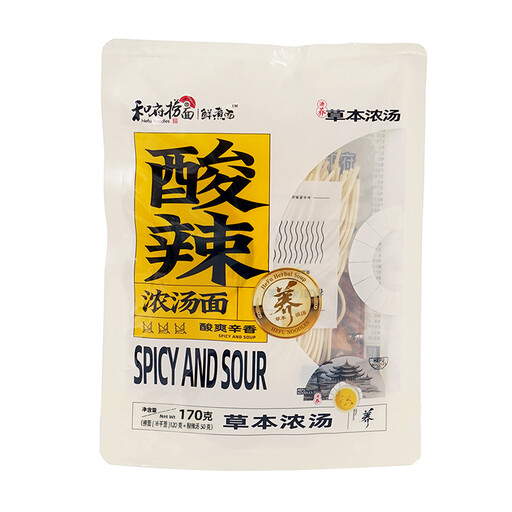 Image unavailable
Hefu Noodle Hot & Sour Thick Soup, 170 g
Worth considering if you’re looking for a thick noodle soup with tangy, spicy notes. The product states 170 g; check its instructions and nutritional information, bearing in mind the portion you plan to serve.
View on Joybuy
 Image unavailable
Maggi Chorba Soep, 85 gr
A chorba soup to compare with noodle recipes if you’d like to introduce different influences to your menu. The sachet states 85 gr; check how many bowls it makes and the preparation instructions before deciding how many you’ll need.
View on Joybuy
Frequently asked questions
Does a soup labelled “Thai” or “Japanese” necessarily follow a traditional recipe?
No. These names alone don’t mean that a soup recreates a traditional recipe. Compare the listed ingredients and herbs to choose a flavour that works with your menu.
Should you choose individual sachets or a multi-portion sachet?
Individual sachets are a good choice if you’re serving separate bowls or offering several flavours. A multi-portion sachet works when everyone is sharing the same soup. Check how many portions it makes and how much water you’ll need: for example, Auchan France says one Maggi Japanese soup recipe uses 750 ml of water for three people.
What should you check on the label before serving the soup?
Start with the ingredients and allergens, then check the net quantity, nutritional information and preparation instructions. The DGCCRF notes that the ingredient list, nutrition declaration and net quantity are among the labelling information required for prepacked food.
Is the Nutri-Score enough to help you choose a soup for your guests?
No. Nutri-Score gives an overall indication of nutritional value, but it doesn’t tell you which allergens are present or whether the ingredients suit your menu. Check the ingredient list and the nutritional values for the portion you’ll serve, too.


